
Agricultural Geomembrane: The Key to Efficient and Sustainable Farming Practices
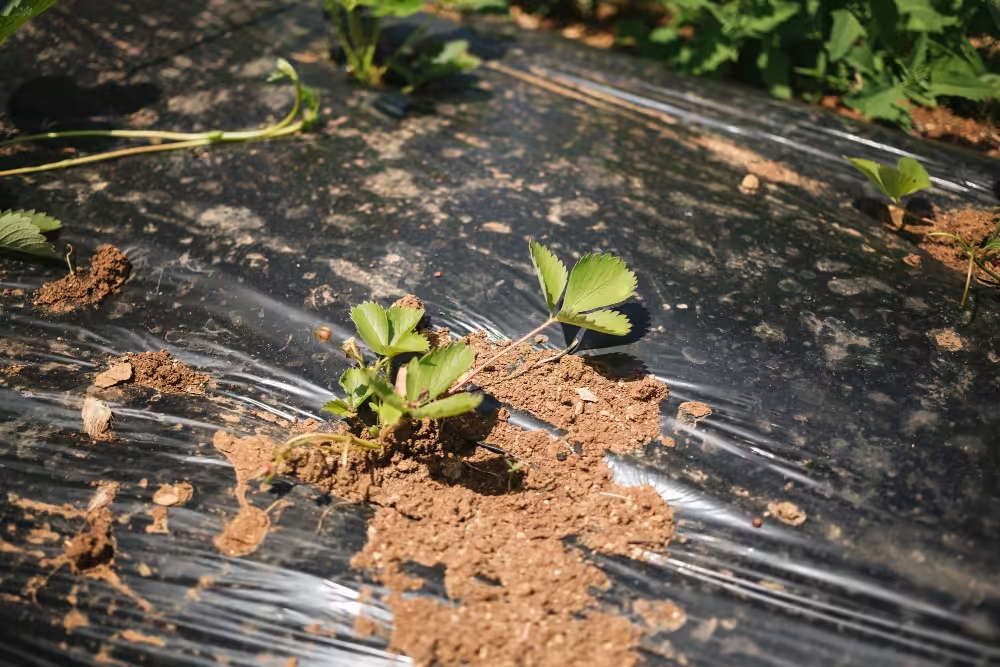
Table of Contents
A durable and UV-resistant agricultural geomembrane has become an essential solution in modern farming, providing a range of benefits that enhance crop production and support environmental sustainability. This material is designed to manage water effectively, control soil erosion, and create a controlled growing environment for crops. Its use in agriculture contributes significantly to water conservation, soil improvement, and increased crop yields, making it a versatile choice for diverse farming applications.
Why Use Agricultural Geomembrane in Farming?
The primary function of this material is to create a barrier between soil and external elements such as water, salt, and pollutants. Its ability to prevent water leakage, control soil erosion, and improve water retention makes it a highly effective tool for sustainable farming practices. Whether used in irrigation systems, greenhouses, or soil remediation projects, it offers versatile solutions for modern agricultural challenges.
Furthermore, it plays a key role in establishing a controlled microenvironment for crops. By serving as a protective barrier, it helps regulate temperature, humidity, and soil conditions, thereby creating optimal conditions for plant growth. This is especially beneficial in regions with extreme weather conditions or poor soil quality.
Applications of Agricultural Geomembrane in Farming
1.Water-Saving Irrigation
One of the most significant advantages of agricultural geomembrane is its ability to enhance water-saving irrigation systems. By using geomembranes to line irrigation channels or water storage reservoirs, farmers can prevent water loss through seepage, ensuring efficient water distribution. In areas where water scarcity is a concern, this solution is particularly valuable in maximizing water usage for crop irrigation.
2.Saline Soil Remediation and Protection
Agricultural geomembrane is highly effective in managing salinized soil. By acting as a root barrier, this material prevents salt from penetrating the crop root zone, thereby shielding plants from soil salinity. As a result, it becomes an essential tool for improving soil conditions, especially in regions with high salt content where remediation is necessary to maintain crop health.
3.Weed Control
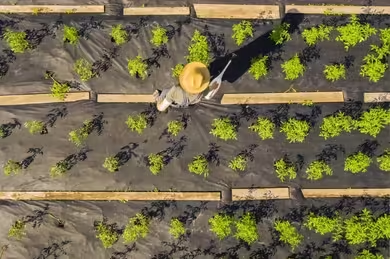
Agricultural geomembrane is also used for effective weed control. By covering the soil with a layer of geomembrane, farmers can block sunlight, preventing weed growth and reducing the need for chemical herbicides. This not only protects the environment but also reduces labor costs and increases the efficiency of crop production. The ability to control weeds without harming the environment is one of the key benefits of using agricultural geomembrane.
4.Soil Erosion Control
In areas prone to soil erosion, agricultural geomembrane acts as a protective layer to stabilize the soil and prevent erosion. It is especially useful in sloped fields, where water runoff can cause significant damage to the soil structure. By using geomembranes in combination with other soil conservation techniques, farmers can protect their land from erosion and improve soil fertility.
5.Greenhouse and Nursery Applications
Agricultural geomembrane is widely used in greenhouse and nursery environments to create controlled growing conditions for plants. By providing a durable, impermeable barrier, it prevents moisture loss and reduces the risk of disease. In nurseries, it is used to line planting beds and improve the quality of soil for seedling growth, ensuring healthier and more robust plants.
6.Pollution Control in Agricultural Projects
For agricultural projects located in areas with heavy industrial pollution or contamination, agricultural geomembrane serves as an effective pollution barrier. It prevents contaminants, such as heavy metals or chemicals, from infiltrating the soil or water, ensuring that crops grow in a clean and safe environment.
Key Benefits of Agricultural Geomembrane
1.Enhanced Water Retention and Irrigation Efficiency
One of the most notable advantages of agricultural geomembrane is its ability to improve water retention in the soil. By reducing water leakage, it allows for more efficient use of water resources, especially in areas where water conservation is a priority. Additionally, geomembranes can be used in drip irrigation systems to ensure precise water delivery to plant roots, further improving irrigation efficiency.
2.Cost-Effectiveness and Longevity
Agricultural geomembrane is a cost-effective solution for many farming operations. It is durable and designed to withstand harsh environmental conditions, such as UV exposure and temperature fluctuations. The longevity of agricultural geomembrane ensures that it provides long-term benefits, reducing the need for frequent replacements and minimizing maintenance costs.
3.Eco-Friendly and Sustainable Solution
The use of agricultural geomembrane is an environmentally friendly choice for modern farming. It helps reduce water waste, prevents soil erosion, and minimizes the use of harmful chemicals like herbicides and pesticides. As a sustainable solution, it supports eco-friendly farming practices that are in line with current environmental regulations.
4.Improved Crop Yields
By creating a stable and protected environment for plants, agricultural geomembrane helps improve crop yields. Whether it’s through better water retention, soil protection, or temperature regulation, the use of geomembranes ensures that plants receive the ideal growing conditions, resulting in healthier crops and higher yields.
Important Considerations When Using Agricultural Geomembrane
1.Proper Installation and Maintenance
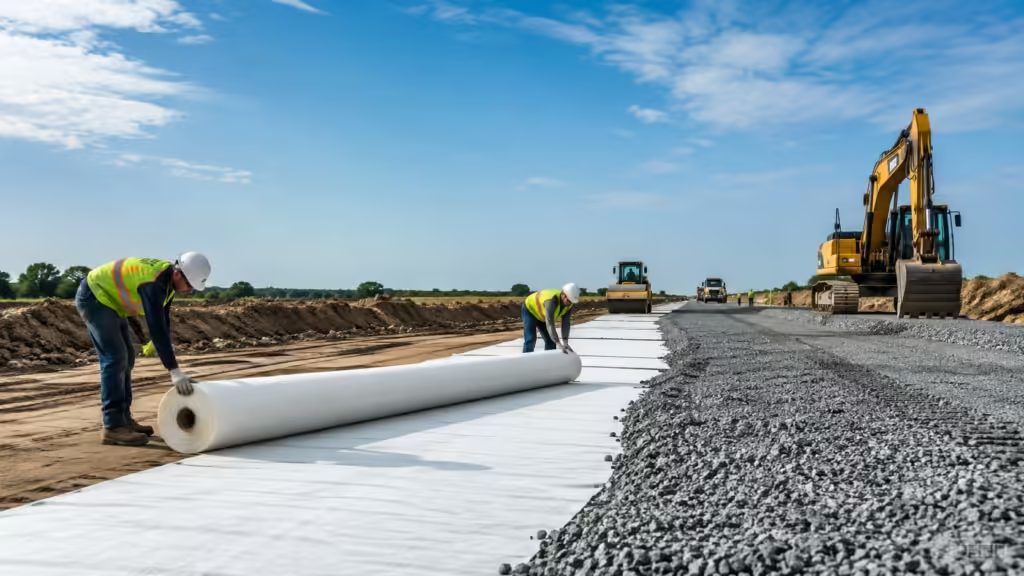
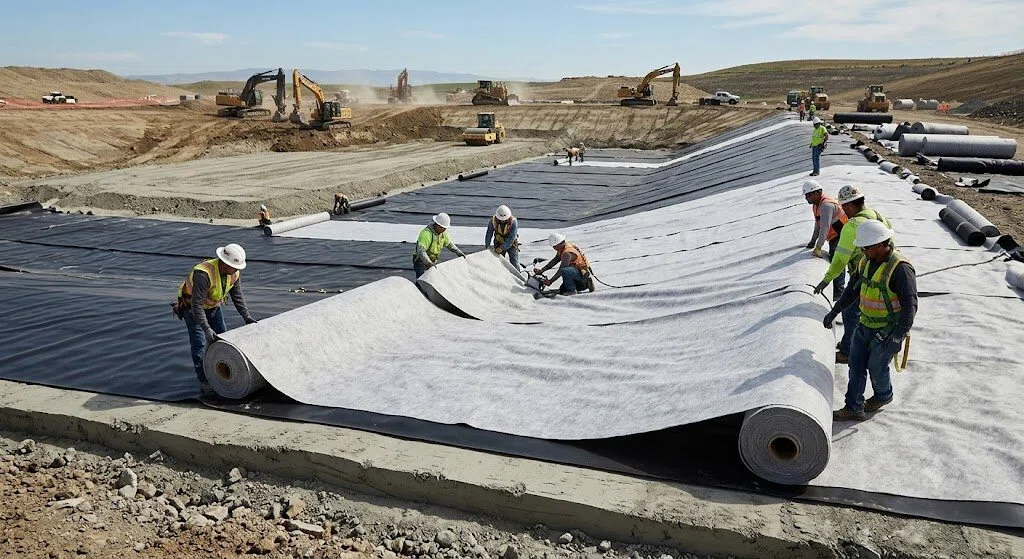
To ensure optimal performance, agricultural geomembrane must be properly installed and maintained. The surface must be smooth, and the material should be laid flat without wrinkles to prevent any issues with drainage or water retention. Additionally, regular inspections are necessary to check for any damage or wear that may affect its performance.
2.Selection of Appropriate Thickness
The thickness of the agricultural geomembrane plays a crucial role in its performance. For specific applications, such as in water storage or soil separation, the thickness must be chosen based on the expected load, environmental conditions, and required durability. The most common thicknesses range from 0.3mm to 1.0mm, depending on the type of farming application.
3.Environmental Impact and Recycling
While agricultural geomembrane provides numerous benefits, it is essential to consider its environmental impact after use. Many geomembranes are made from recyclable materials, and it is important to choose those that meet environmental standards. Proper disposal or recycling of used geomembranes ensures that their environmental footprint is minimized.
A Versatile and Essential Tool for Modern Farming
In conclusion, agricultural geomembrane is a versatile, cost-effective, and eco-friendly solution for modern farming needs. Whether used for water-saving irrigation, soil protection, or creating ideal growing conditions, agricultural geomembrane plays a vital role in enhancing farming practices and increasing crop yields. By adopting agricultural geomembrane, farmers can achieve sustainable, efficient, and profitable operations, all while contributing to the protection of natural resources.
If you would like to learn more about geotextiles and their potential benefits for your agricultural project, click here to [explore more about our agricultural solutions].