
Aquaculture Pond Liner: The Ultimate Solution for Aquaculture Systems
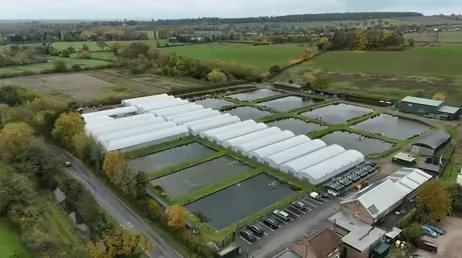
In the rapidly expanding aquaculture industry, ensuring water quality and environmental stability is essential. One of the most effective approaches is the use of a high-quality aquaculture pond liner. This specialized material helps prevent water leakage, maintain optimal water conditions, and support the health and sustainability of aquatic species. By utilizing such liners, operators can avoid costly repairs, minimize water waste, and contribute to healthier aquatic ecosystems.
Table of Contents
Why Use an Aquaculture Pond Liner?
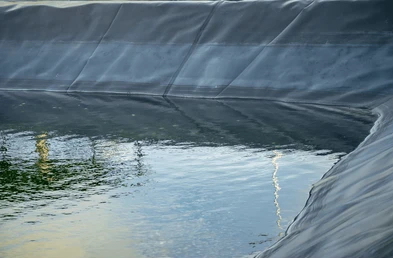
When it comes to aquaculture, the containment of water in ponds and tanks is crucial. Whether you are farming fish, shellfish, or other aquatic species, using an Aquaculture Pond Liner helps ensure that the water stays within the designated area, preventing any leakage that could lead to contamination or loss of valuable water resources.
A high-quality pond liner also ensures that the water’s chemical balance and temperature remain stable, which is essential for the well-being of aquatic life. By controlling water loss, these liners allow for better water management and help minimize the costs associated with water replenishment.
Key Benefits of Aquaculture Pond Liners
1.Leak Prevention
One of the primary reasons for using an Aquaculture Pond Liner is to prevent leaks. Without a proper liner, water can seep into the ground, causing loss of water and potential soil contamination. A leak-proof Aquaculture Pond Liner ensures that water stays where it belongs, optimizing the environment for fish and other species.
2.Water Quality Maintenance
Maintaining water quality is paramount in aquaculture. The right Aquaculture Pond Liner helps prevent the intrusion of contaminants from the surrounding soil and promotes better filtration, thus maintaining a healthier environment for aquatic life. Some liners, for example, are designed with UV resistance, helping to block harmful rays that could degrade water quality or harm aquatic species.
3.Chemical Resistance
In aquaculture, chemicals are often used to maintain water conditions, control algae, or treat fish diseases. A good Aquaculture Pond Liner resists degradation from these chemicals, maintaining the integrity of the liner and ensuring the water remains safe for the fish.
4.Durability and Long-Lasting Performance
A high-quality Aquaculture Pond Liner is designed to withstand the harsh environmental conditions of aquaculture systems. Whether exposed to the sun, extreme weather, or fluctuating temperatures, these liners are durable and long-lasting, offering great value over time.
Types of Aquaculture Pond Liners: Which One is Right for You?
There are several types of Aquaculture Pond Liners available, each offering specific advantages depending on the environment and requirements of the aquaculture system. Below, we break down the most commonly used liners:
1.PVC Pond Liners
PVC pond liners are cost-effective and relatively easy to install. They offer good waterproofing but are not as durable as other materials like HDPE. For small-scale aquaculture systems, a PVC liner might suffice, but for larger systems, more robust options like HDPE are recommended.
2.HDPE Pond Liners
High-Density Polyethylene (HDPE) liners are one of the most popular choices for large-scale aquaculture systems. Known for their excellent chemical resistance, UV stability, and durability, HDPE Aquaculture Pond Liners are ideal for long-term use. They provide a robust and reliable solution to water containment, especially in systems with a high level of water exposure or chemical treatments.
3.EPDM Pond Liners
EPDM (Ethylene Propylene Diene Monomer) liners are made from a rubber-based material that offers flexibility and durability. They are UV resistant and perform well in both hot and cold climates, making them suitable for a variety of environments. EPDM is a great option for smaller or medium-sized aquaculture systems.
4.Geomembrane Liners
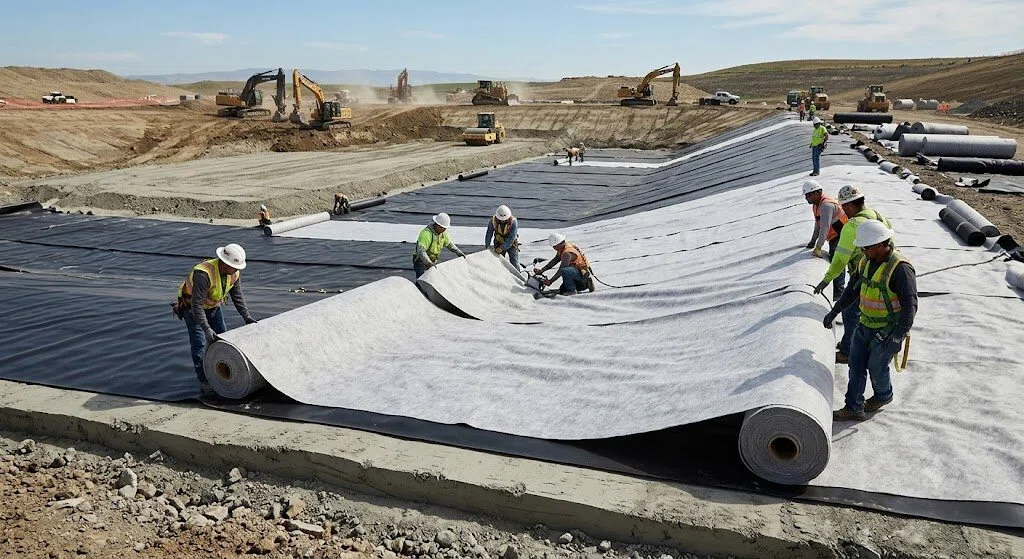
Geomembrane liners are typically used in large-scale industrial aquaculture setups. They provide excellent leak prevention and can be custom-fitted to suit different pond or tank sizes. Geomembranes are highly durable and resistant to a range of environmental conditions, including UV rays and chemical exposure.
How to Choose the Right Aquaculture Pond Liner
When selecting an Aquaculture Pond Liner, it’s important to consider several factors to ensure the liner meets the needs of your aquaculture system:
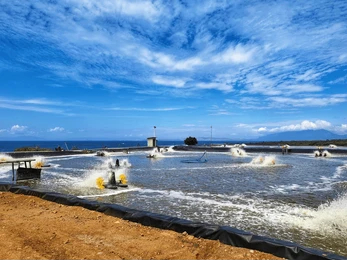
1.Size and Shape of Your Pond
The liner you choose must match the dimensions of your pond or tank. A custom-fit Aquaculture Pond Liner will provide the best protection and durability, especially for irregularly shaped ponds.
2.Water Volume and Environmental Factors
Consider the volume of water your system will hold and the environmental conditions the liner will face. UV exposure, chemical treatments, and extreme weather conditions will impact the type of liner you need.
3.Maintenance and Longevity
Look for liners that are easy to clean and maintain. Liners that resist algae growth and biofilm accumulation will make maintenance much simpler. Additionally, choose a liner with a long lifespan to reduce replacement costs over time.
Maintenance Tips for Aquaculture Pond Liners
Maintaining your Aquaculture Pond Liner is key to ensuring its longevity and performance. Here are a few tips:
1.Regular Inspections
Check your liner regularly for signs of wear and tear, especially after storms or significant weather changes. Look for any punctures, tears, or areas where the liner may be loosening.
2.Clean the Liner
Ensure that the liner is free from debris, algae, or sediment build-up. Clean the liner periodically to maintain water quality and the integrity of the liner.
3.Monitor Water Quality
Regularly check the water quality in your pond or tank. Keep track of pH levels, temperature, and other factors that could affect the liner’s performance.
Conclusion: Why Choose an Aquaculture Pond Liner for Your System?
An Aquaculture Pond Liner is a vital component in the successful management of aquaculture systems. From preventing leaks to ensuring the stability of water quality, these liners play an essential role in creating a sustainable and healthy environment for aquatic life. By selecting the right liner for your system, you can optimize water management, minimize maintenance costs, and improve the overall efficiency of your aquaculture operation.