
Exploring the Versatility of Geotextile Fabric in Environmental Engineering
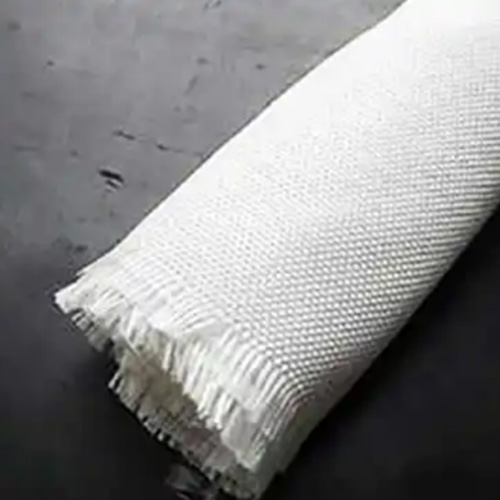
In the realm of environmental engineering, geotextile fabric has become an essential material for improving soil stability, enhancing drainage, and reinforcing infrastructure. This versatile synthetic material is used in a wide range of civil engineering applications, from road construction to waste management. Geotextile fabric is especially useful in areas where traditional methods of soil stabilization or drainage may fall short, providing a more sustainable, cost-effective alternative. In this article, we will explore the various benefits of geotextile fabric, focusing on the high-performance woven geotextile variant, which is designed for demanding engineering applications.
Table of Contents
What is Geotextile Fabric?
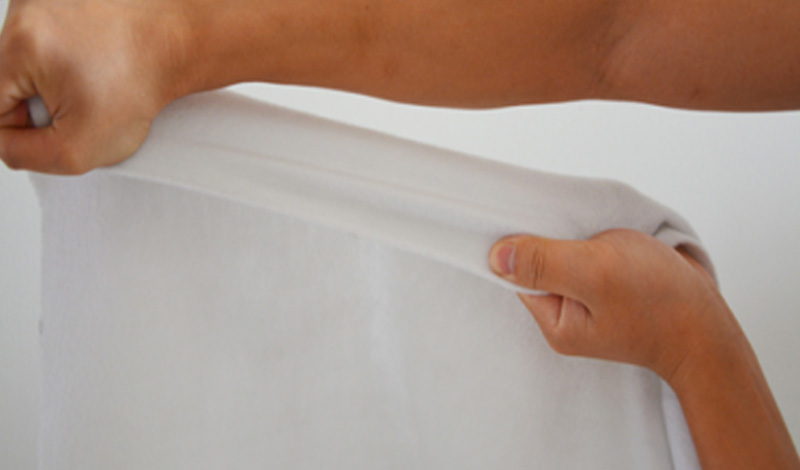
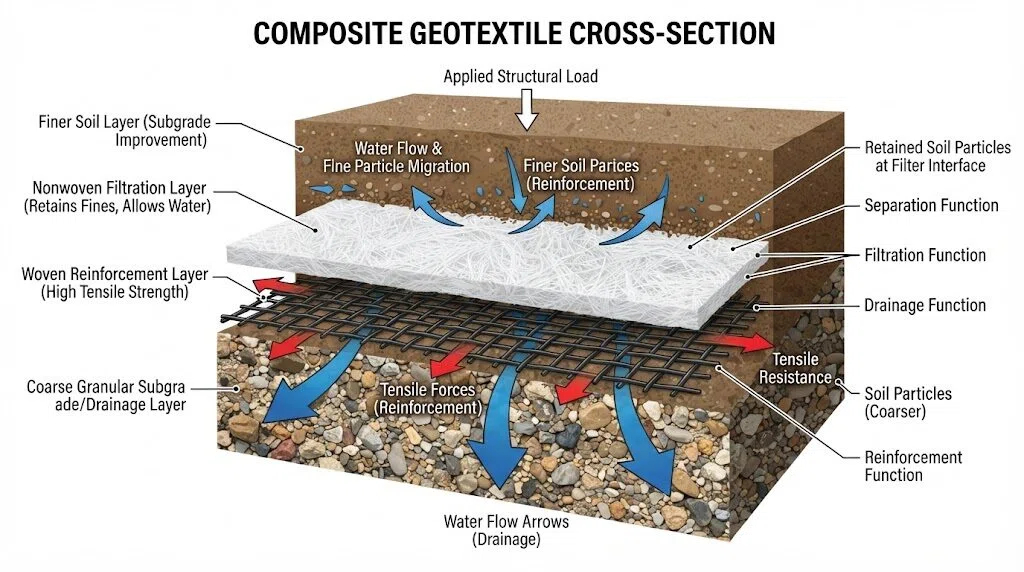
Geotextile fabric is a synthetic material typically made from polymers such as polypropylene (PP), polyester (PET), or polyethylene (PE). It is engineered for a variety of uses, including separation, filtration, reinforcement, and drainage. Geotextile fabric can be woven, nonwoven, or knitted, each type offering unique properties to suit different applications. The woven geotextile variety is made from interlaced fibers, providing excellent tensile strength and durability, making it particularly suitable for projects that require heavy-duty performance.
The primary function of geotextile fabric is to separate different materials—such as soil and aggregates—while maintaining soil structure and preventing the mixing of layers. The fabric’s filtration properties allow it to drain excess water from the ground, preventing soil erosion while allowing water to pass through without causing clogging.
Key Benefits of Geotextile Fabric
High Strength for Heavy-Duty Applications
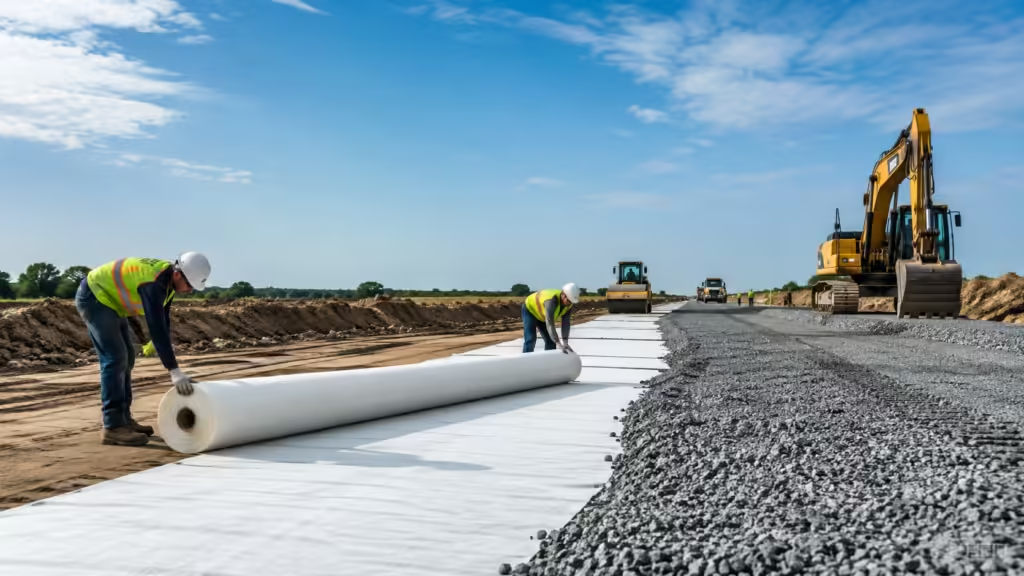
One of the main advantages of geotextile fabric, especially woven geotextile, is its high tensile strength. This makes it ideal for soil stabilization, reinforcing foundations, and providing support for heavy-duty infrastructure projects. Woven geotextile can bear substantial loads, preventing deformation or displacement of the underlying soil. It is commonly used in construction projects such as highways, railways, and airport runways, where soil reinforcement is necessary to support the weight of vehicles and machinery over time.
The interwoven structure of woven geotextile allows it to distribute weight across the surface, ensuring that the soil remains stable and preventing cracking or sinking. This characteristic is particularly beneficial for roads and pavements that experience high traffic volumes, as it extends the lifespan of the infrastructure.
Durability: Long-Lasting and Weather-Resistant
Another key benefit of geotextile fabric is its remarkable durability. Woven geotextile is highly resistant to environmental factors such as UV rays, chemicals, and mechanical wear. This resistance ensures that it maintains its structural integrity even when exposed to harsh weather conditions, chemical pollutants, or prolonged use. Woven geotextile has a long service life and requires little to no maintenance over the course of its deployment.
For applications like coastal protection or landfill construction, geotextile fabric must withstand exposure to extreme temperatures, high humidity, and acidic or alkaline conditions. Woven geotextile’s ability to resist degradation in such environments makes it the preferred material for these applications, where longevity and reliability are paramount.
Excellent Drainage and Filtration
Geotextile fabric is well-known for its ability to manage water effectively. The fabric’s uniform pore structure allows water to flow freely through it while preventing soil particles from passing through. This filtration ability makes geotextile fabric particularly useful for drainage systems, where efficient water flow is critical to maintaining soil stability and preventing flooding.
In road construction, for example, geotextile fabric helps to prevent water from accumulating beneath the roadbed, which can weaken the foundation and cause cracking or sinking. By allowing water to drain away while keeping soil in place, woven geotextile contributes to the long-term stability of the road, reducing the risk of structural failure.
Versatility in Applications
Geotextile fabric is versatile and adaptable, making it suitable for a wide range of engineering and environmental applications. Some of the key uses include:
- Transportation Infrastructure: Woven geotextile is commonly used in road construction, railway embankments, and airport runways. It reinforces soil, prevents settling, and provides support for the heavy loads that these structures carry. In projects that require long-lasting durability under high traffic conditions, woven geotextile proves to be an invaluable material.
- Water Resources Management: In water-related engineering projects, such as dams, riverbanks, and coastal defense systems, geotextile fabric is used to prevent soil erosion and protect the integrity of the structure. The fabric’s drainage properties allow water to flow through it without washing away the soil, while also ensuring that water does not accumulate behind the structure.
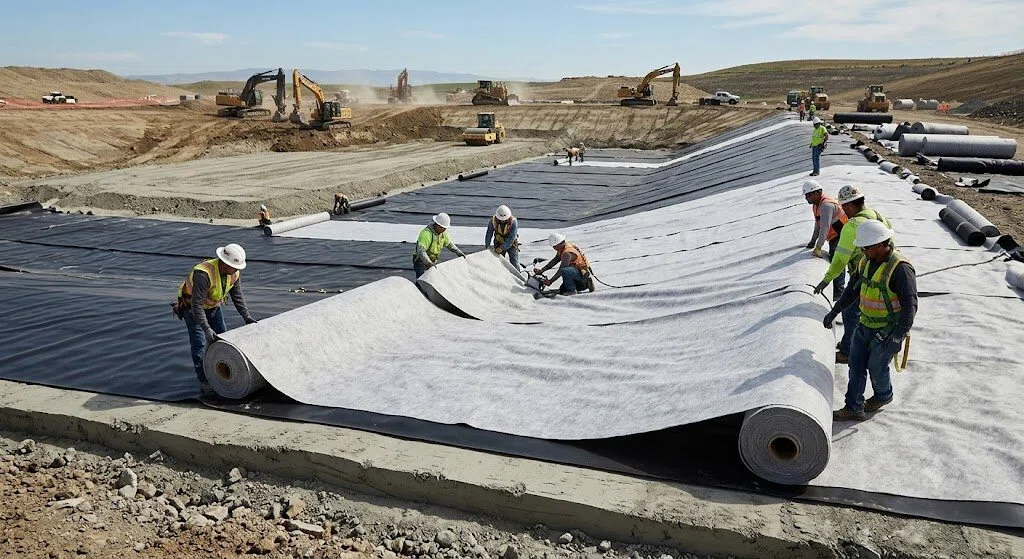
- Landfill Construction: In landfill projects, geotextile fabric serves as a protective barrier, preventing contaminants from leaching into the surrounding environment. Woven geotextile is especially useful in landfill liners, as its durability and resistance to chemical degradation help ensure that the landfill remains safe and secure over time.
- Agriculture and Landscaping: Geotextile fabric is also employed in agricultural and landscaping projects to improve soil stability, control erosion, and enhance drainage. It is commonly used under gravel paths, in garden beds, and on slopes to ensure that the soil remains intact and that water is efficiently directed away from sensitive areas.
Woven Geotextile: The Ideal Solution for Demanding Projects
When it comes to projects that require the highest level of strength and durability, woven geotextile is the material of choice. Whether for reinforcing roadbeds, protecting coastal areas, or lining landfills, the superior tensile strength and resistance to environmental degradation make woven geotextile ideal for demanding applications. By providing long-lasting support and ensuring effective drainage, woven geotextile contributes to the overall success of complex engineering projects.
Real-World Examples of Geotextile Fabric Applications
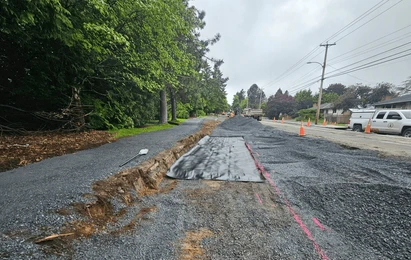
Road Construction on Soft Soil
In areas where the soil is soft or unstable, geotextile fabric is used to stabilize the ground and prevent sinking. By spreading the weight of the road across the surface, woven geotextile ensures that the road remains even and free of cracks, even under heavy traffic. This use of geotextile fabric significantly improves the longevity and reliability of the road.
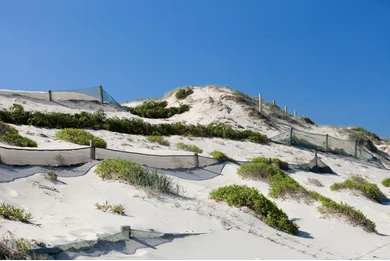
Coastal Erosion Protection
Along coastlines and riverbanks, geotextile fabric helps prevent erosion by stabilizing the soil and allowing water to flow freely. Woven geotextile is particularly effective in these applications because of its high strength and ability to withstand harsh conditions, such as strong waves and high winds. This helps protect infrastructure and reduces the risk of land loss.
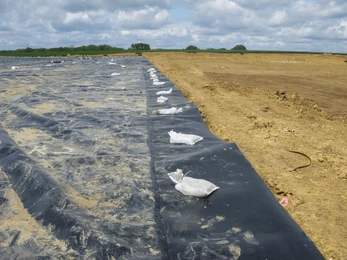
Landfill Liner in Waste Management
In landfills, woven geotextile is used as a protective liner to prevent contaminants from leaking into the surrounding environment. The fabric’s ability to resist chemical degradation ensures that it maintains its protective properties throughout the landfill’s life, making it an essential component of safe waste management.
Conclusion
Geotextile fabric plays a critical role in modern environmental engineering, offering a range of benefits, from reinforcing soil to improving water management and waste containment. Woven geotextile, in particular, is indispensable for high-performance applications that demand durability, strength, and long-term effectiveness. Whether used in transportation infrastructure, water management, or environmental protection, geotextile fabric proves to be a versatile and reliable material for various engineering challenges. By understanding its key features and applications, engineers can make informed decisions to improve the sustainability and performance of their projects.