
How Continuous Filament Geotextile Improves Efficiency and Durability in Irrigation Systems
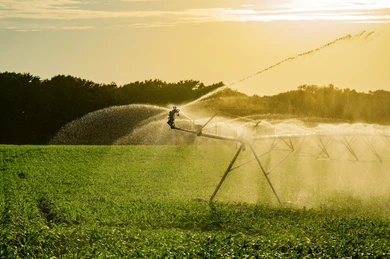
Table of Contents
What is Continuous Filament Geotextile?
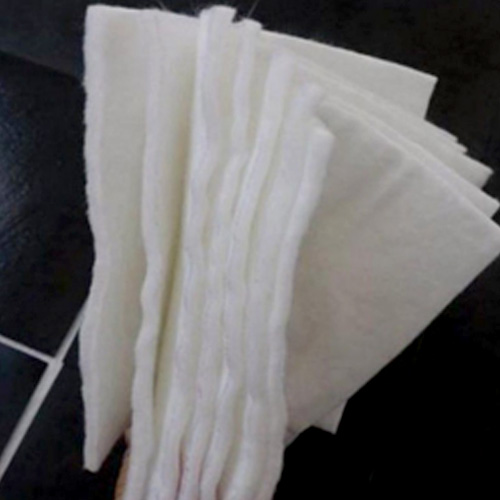
Continuous Filament Geotextile is an advanced synthetic fabric made from long, continuous strands of fiber. Unlike traditional woven or non-woven geotextiles, it is constructed using continuous filaments that provide superior strength, durability, and resistance to degradation. In irrigation systems, this material plays a pivotal role in improving efficiency and extending the lifespan of water management infrastructure.
In this article, we will explore how this geotextile enhances the efficiency, durability, and functionality of irrigation systems. We’ll also discuss its benefits, applications, and the reasons it’s becoming increasingly popular in modern agricultural practices.
Why is Continuous Filament Geotextile Important in Irrigation Systems?
Irrigation systems face numerous challenges, including soil erosion, clogging of pipes, and water distribution inefficiencies. By incorporating Continuous Filament Geotextile, these systems benefit from enhanced filtration, soil stabilization, and protection against environmental stresses.
Here’s a quick overview of the primary benefits:
1.Improved Filtration
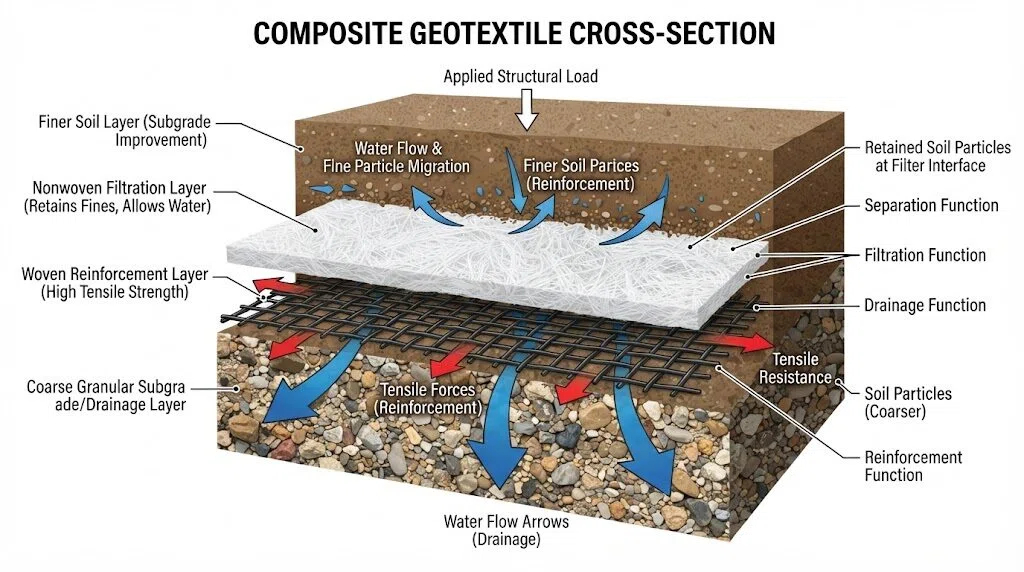
The permeability of Continuous Filament Geotextile allows water to pass through while filtering out soil particles, preventing clogging in irrigation pipes and drainage systems.
2.Enhanced Durability
Due to its continuous filament construction, this geotextile has higher tensile strength compared to other fabrics, making it more resistant to wear and tear, especially in harsh conditions.
3.Soil Reinforcement
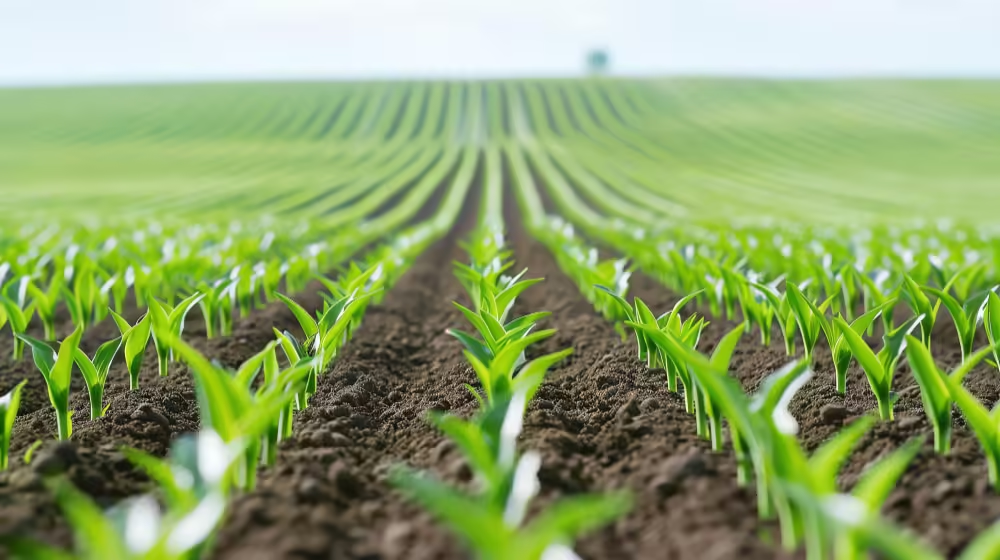
It prevents soil erosion by stabilizing soil, especially in areas with high water flow or slopes, ensuring that the irrigation system operates efficiently.
Key Features of Continuous Filament Geotextile
This material provides a range of characteristics that contribute to its effectiveness in irrigation systems.
| Feature | Benefit |
|---|---|
| High Strength | Able to withstand high mechanical loads and environmental stress. |
| Water Permeability | Facilitates the passage of water while preventing soil particles from moving through. |
| Chemical Resistance | Resistant to the effects of fertilizers, pesticides, and other chemicals commonly used in agriculture. |
| UV Resistance | Can endure prolonged exposure to sunlight without degradation. |
These properties ensure it serves as a reliable choice for irrigation systems requiring sustained performance and long-term durability.
Applications of Continuous Filament Geotextile in Irrigation
Continuous Filament Geotextile can be used in several areas of an irrigation system to improve its efficiency and effectiveness. Some key applications include:
1.Drainage Systems
In surface or subsurface drainage systems, Continuous Filament Geotextile prevents clogging and maintains water flow. It filters out sediment while allowing water to pass through, which is essential for maintaining consistent irrigation.
2.Soil Stabilization in Canal Lining
The geotextile helps in reinforcing the soil around irrigation canals, preventing erosion, and maintaining canal integrity. This reduces the need for frequent repairs and ensures the continuous flow of water.
3.Flood Control and Water Retention
Continuous Filament Geotextile can be placed in areas prone to flooding to enhance water retention, prevent surface erosion, and stabilize embankments.
4.Sediment Control
By acting as a barrier, Continuous Filament Geotextile prevents soil and other debris from entering the water supply, ensuring cleaner water and reducing maintenance costs for irrigation equipment.
How Does Continuous Filament Geotextile Improve Irrigation Efficiency?
1.Prevents Clogging in Drip Irrigation Systems
Drip irrigation systems are highly effective for water conservation but can suffer from clogging due to soil particles and organic matter. By using Continuous Filament Geotextile in the filtration system, fine particles are prevented from entering the system, significantly reducing maintenance needs and improving system efficiency.
2.Reduces Soil Erosion
When water is applied to sloped or uneven terrains, it can cause significant soil erosion. Continuous Filament Geotextile stabilizes the soil, preventing erosion and ensuring the irrigation system is effective over the long term.
3.Increases Water Distribution Efficiency
By filtering the water entering the irrigation pipes and stabilizing the surrounding soil, the system operates with less resistance, improving the distribution of water across the agricultural land. This ensures uniform irrigation and better crop yield.
Factors to Consider When Choosing Continuous Filament Geotextile for Irrigation Systems
Selecting the right Continuous Filament Geotextile for your irrigation system requires careful consideration of several factors:
1.Water Flow Rate
Consider the flow rate of water that will pass through the geotextile. Ensure the geotextile chosen can accommodate the volume of water while preventing soil particles from moving through.
2.Environmental Conditions
The durability of the material in the specific environmental conditions (e.g., UV exposure, chemical resistance, and temperature variations) is essential to ensure long-term performance.
3.Soil Type and Slope
The type of soil and the slope of the land will determine the need for reinforcement and stabilization. For areas with loose soil or steep slopes, a higher-strength geotextile may be required.
4.Geotextile Weight and Thickness
The weight and thickness of the material affect both its strength and filtration capacity. Heavier geotextiles may be required for more demanding applications, whereas lighter versions are suitable for less-intensive systems.
Conclusion
This material is vital for improving the efficiency and durability of irrigation systems. By enhancing filtration, preventing clogging, and reinforcing soil, it provides long-lasting solutions for agricultural water management. When choosing the right geotextile, it is important to consider the specific needs of your system, such as the type of soil, water flow rate, and environmental factors.
By making the right selection, you can ensure that your irrigation system runs smoothly, reducing maintenance costs, and improving overall water efficiency, which ultimately contributes to better agricultural productivity.