
How Flood Control Woven Geotextile Strengthens Levees and Flood Defenses
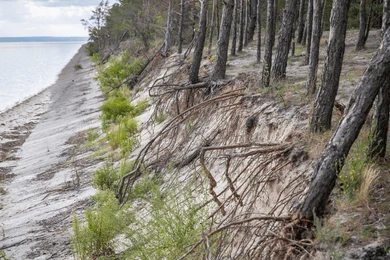
Table of Contents
Flooding can be one of the most destructive natural disasters, causing immense damage to infrastructure, property, and lives. The importance of effective flood defenses has become increasingly clear in recent years, especially in flood-prone areas. One key solution that has been gaining traction is the use of Flood Control Woven Geotextile. This innovative material plays a vital role in strengthening levees and flood defenses, offering long-term protection and stability against rising water levels.
The Role of Flood Control Woven Geotextile in Flood Management
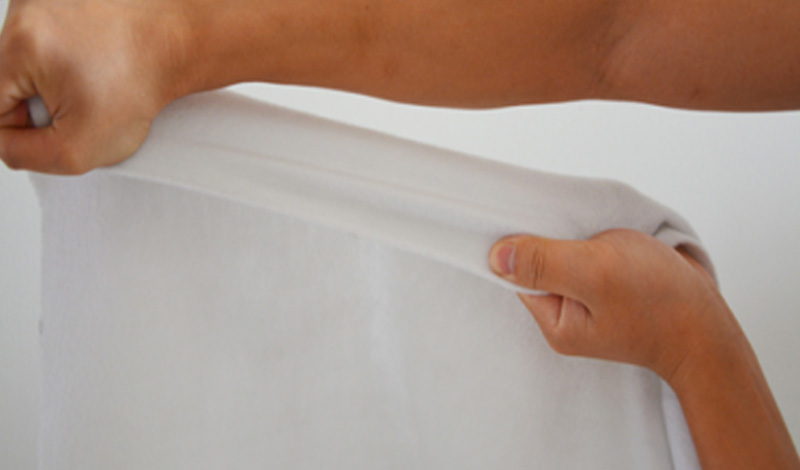
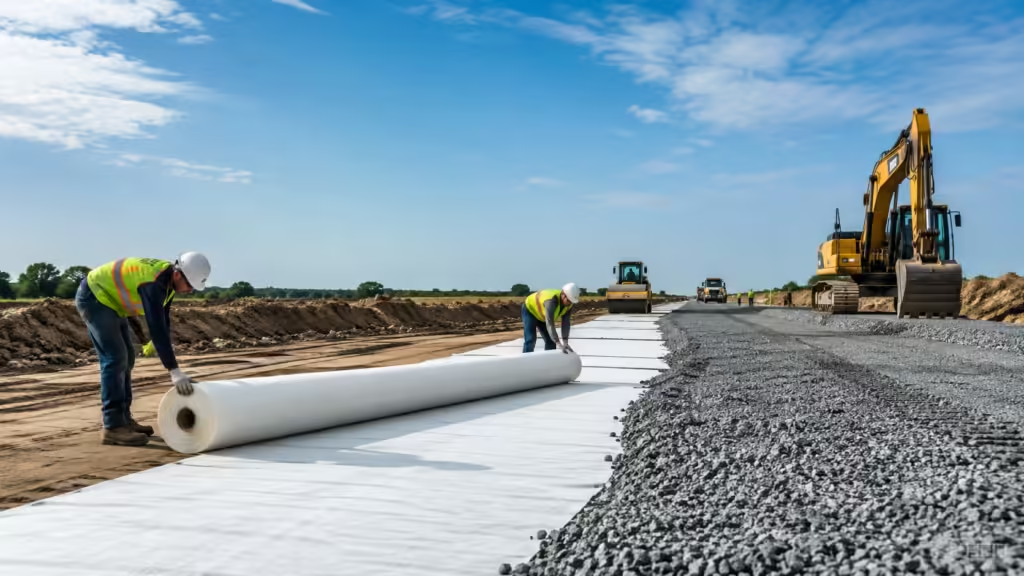
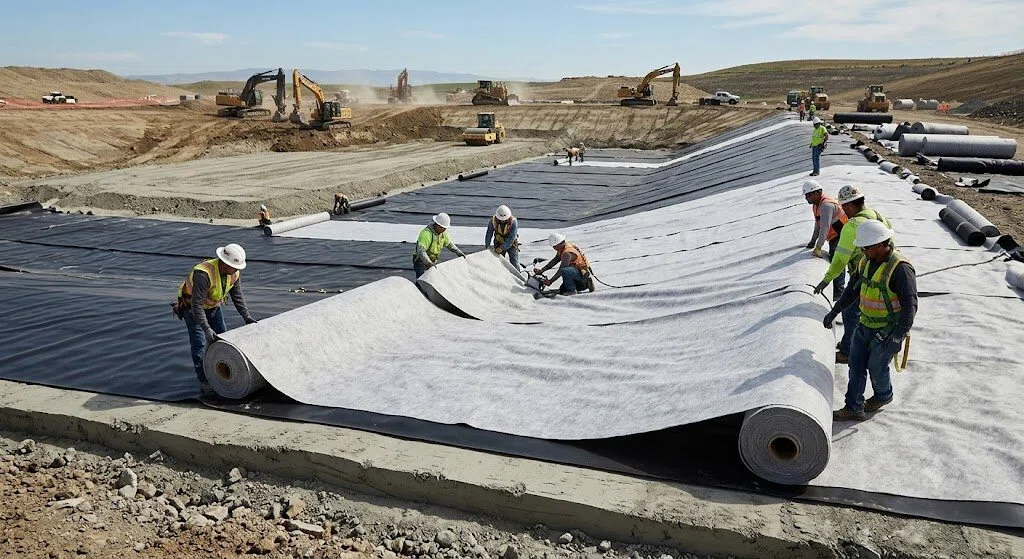
Flood Control Woven Geotextile is a specialized fabric designed to enhance the durability and performance of flood barriers, levees, and dikes. Made from high-strength woven materials, it serves several essential functions. One of its primary roles is to reinforce the structural integrity of levees, preventing soil erosion, which is one of the main causes of levee failure during a flood.
The fabric is engineered to withstand extreme pressure and water flow, offering resistance to mechanical stresses. This resilience makes it an ideal material for use in flood protection systems, where reliable performance is paramount.
Improving Water Flow and Drainage
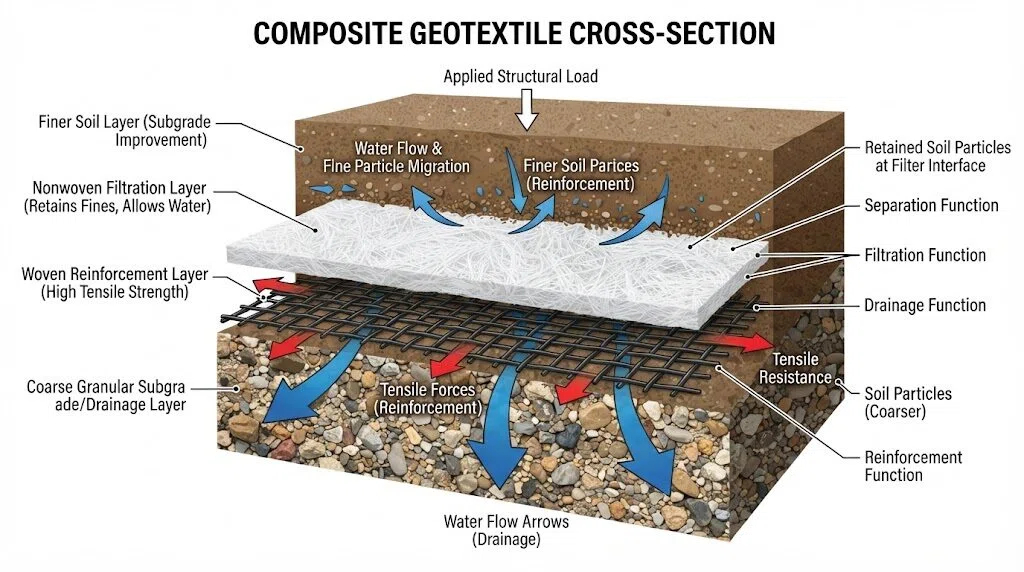
Effective water flow and drainage are crucial components of any flood defense system. Flood Control Woven Geotextile assists in managing water flow by allowing water to pass through the material while filtering out fine particles and sediments. This filtration capacity helps maintain the stability of the levee and prevents clogging, which could otherwise weaken the structure over time.
In addition to improving drainage, the geotextile acts as a barrier to prevent the penetration of water into the soil structure. By controlling water movement, it helps maintain the levee’s structural stability, even under intense pressure from rising floodwaters.
Enhancing Soil Stabilization
Soil erosion is a major concern in flood defense systems. During heavy rains or floods, soil can be washed away, causing levees and dikes to lose their integrity. Flood Control Woven Geotextile provides a solution by offering a protective layer that stabilizes the soil beneath. The woven structure helps bind the soil particles together, reducing the risk of erosion. This ensures that levees remain intact even during prolonged exposure to water, thus extending their lifespan.
The geotextile also helps in soil reinforcement, which is essential for maintaining the strength and stability of flood barriers. By preventing soil displacement and improving the cohesion of the soil layers, it minimizes the risk of structural failure caused by water infiltration.
Versatility in Flood Protection Projects
One of the advantages of Flood Control Woven Geotextile is its versatility. It can be used in various flood defense applications, from levee reinforcement to coastal protection projects. The material is not only suitable for traditional flood barriers but also for innovative flood control designs that require flexibility and adaptability.
For example, Flood Control Woven Geotextile can be used in combination with other materials such as concrete and clay to create hybrid flood protection systems. These hybrid systems offer enhanced durability and performance, making them ideal for areas prone to severe flooding.
The Environmental Benefits of Flood Control Woven Geotextile
Apart from its technical advantages, Flood Control Woven Geotextile also offers environmental benefits. The material is often made from recycled fibers, which contribute to reducing the environmental impact of flood defense projects. By using sustainable materials, flood protection systems can be more eco-friendly while still offering the high performance needed to protect against flooding.
Additionally, the permeability of the geotextile ensures that water can flow through it without causing damage to surrounding ecosystems. This is particularly important in areas with sensitive environments, where excessive water runoff could have detrimental effects on wildlife and plant life.
Long-Term Cost-Effectiveness
While the initial cost of installing Flood Control Woven Geotextile may seem high, its long-term benefits far outweigh the investment. By reinforcing levees and flood barriers, the material significantly reduces the likelihood of failure during floods. This, in turn, reduces the need for costly repairs and maintenance over time.
The material’s durability ensures that flood defenses remain intact for extended periods, minimizing the need for frequent replacements. As a result, Flood Control Woven Geotextile offers a cost-effective solution for flood protection in the long run.
Conclusion
Flood Control Woven Geotextile plays a critical role in enhancing the strength and efficiency of levees and flood defenses. Its ability to improve soil stability, control water flow, and provide long-term protection makes it an essential material in modern flood management strategies. With its durability, versatility, and environmental benefits, Flood Control Woven Geotextile is a key component in safeguarding communities from the devastating effects of floods.