
Geogrid and Geonet in Railway Applications: Addressing Infrastructure Challenges
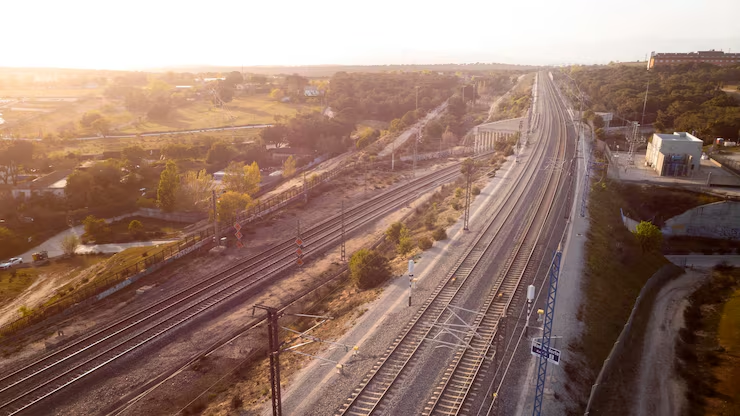
Railway infrastructure is the backbone of modern transportation, yet it faces numerous challenges such as soil instability, water accumulation, and uneven settlement. Geogrid and Geonet in Railway Applications have emerged as a reliable solution to address these issues, providing stability, durability, and cost-effectiveness.
When it comes to maintaining and constructing railway tracks, the use of Geogrid and Geonet in Railway Applications offers a range of advantages that extend beyond simple soil reinforcement. These geosynthetics have proven to be integral in stabilizing tracks, reducing maintenance costs, and improving overall track performance. In this article, we explore how these materials work and why they are essential in the railway sector.
Table of Contents
The Role of Geogrid and Geonet in Railway Subgrade Reinforcement
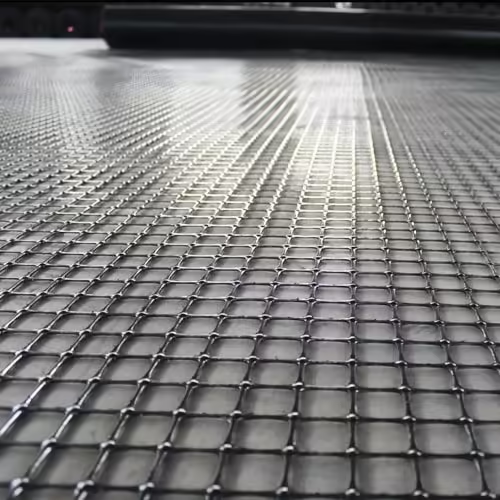
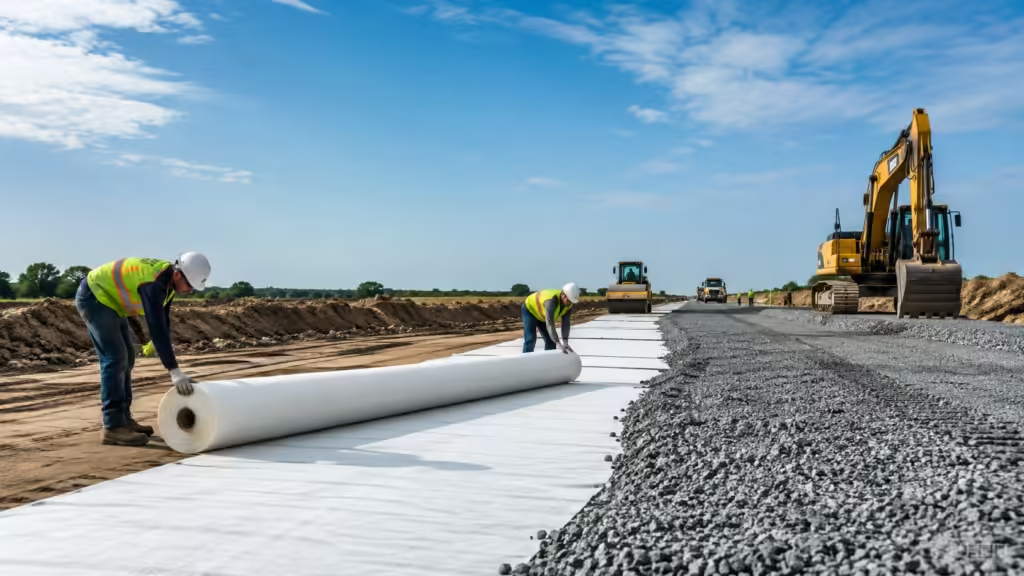
In railway construction, the subgrade is a critical component that determines the overall stability and longevity of the track. Without proper reinforcement, the subgrade can suffer from issues like erosion, sinking, or excessive settlement under heavy loads. Geogrid and Geonet in Railway Applications are designed to address these problems by reinforcing the subgrade, ensuring a stable foundation for the tracks.
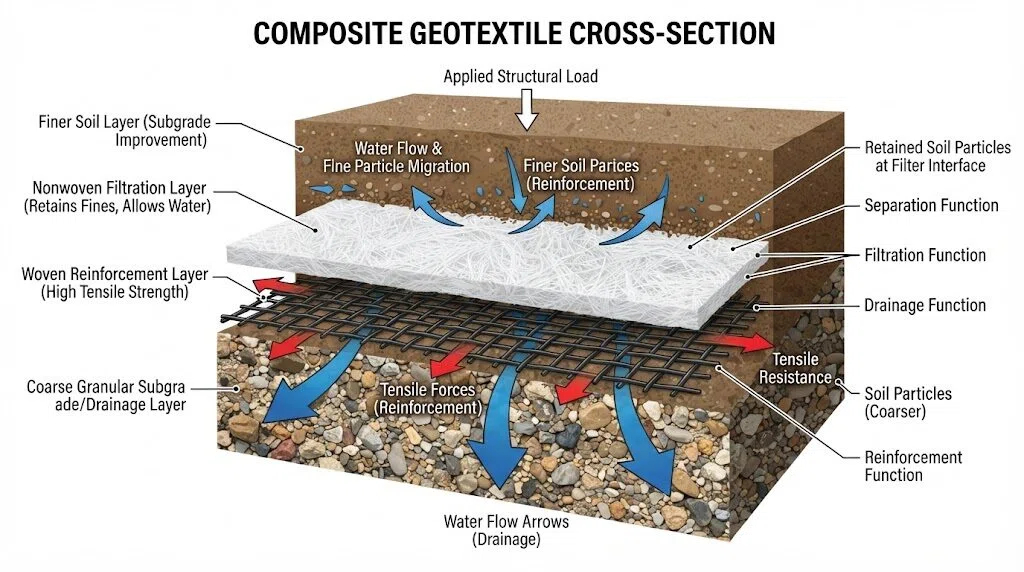
Geogrid materials act as a stabilizer for weak soils, distributing the load evenly and preventing the formation of ruts. Geonet, on the other hand, helps to manage drainage by allowing water to flow freely without affecting the stability of the track. Together, they provide a reliable and long-lasting solution to maintain track alignment and stability, even in areas with challenging soil conditions.
Geogrid and Geonet: Improving Drainage and Preventing Water Damage
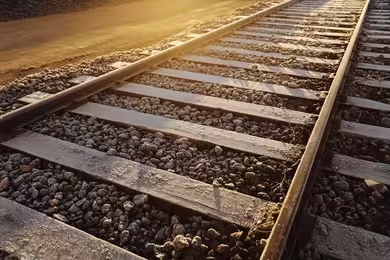
Water is one of the most significant contributors to the deterioration of railway tracks. When water accumulates beneath the track, it creates a weak foundation, leading to track misalignment and even derailments. Geogrid and Geonet in Railway Applications help combat this issue by improving drainage.
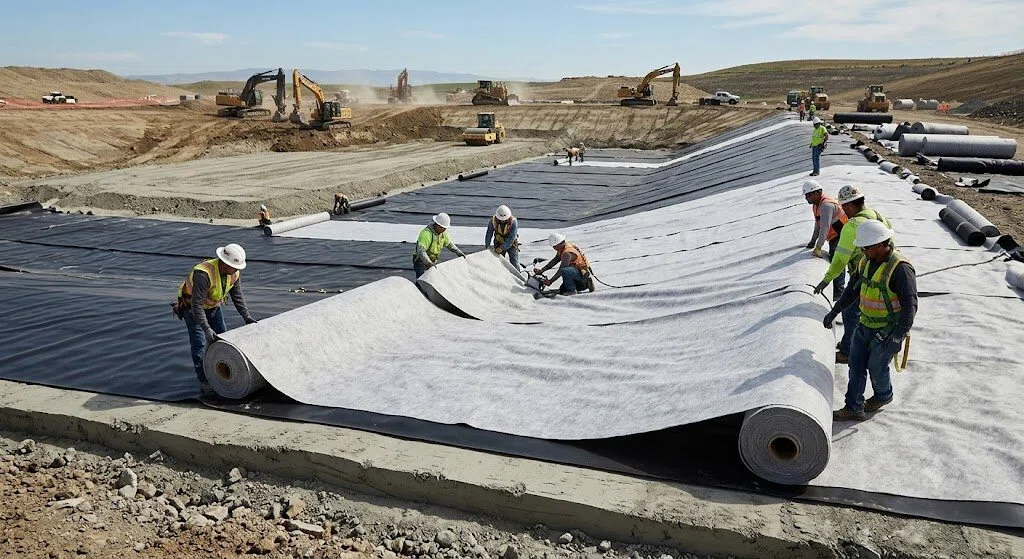
Geonets are specifically designed to channel water away from the track, reducing the risk of water buildup. They work by creating a pathway for water to drain quickly, ensuring that the track remains dry and stable. Additionally, Geogrid materials help prevent the infiltration of water into the subgrade by providing a robust barrier that allows only controlled water flow, ensuring that the foundation remains intact.
The synergy between Geogrid and Geonet in Railway Applications ensures that the railway system stays functional, even in regions with high rainfall or frequent temperature fluctuations. These materials effectively reduce the impact of freeze-thaw cycles, which can cause significant damage to traditional railway tracks.
Reducing Railway Maintenance Costs with Geogrid and Geonet
The long-term maintenance of railway tracks is costly, especially when dealing with soil instability and water-related issues. By incorporating Geogrid and Geonet in Railway Applications, railway companies can significantly reduce these maintenance costs.
The use of Geogrid and Geonet allows for the stabilization of weak soils, preventing costly repairs caused by track displacement or erosion. Moreover, by improving drainage, these geosynthetics help prevent water from undermining the track’s integrity, reducing the frequency of maintenance required to fix water damage. As a result, railway companies can achieve a longer lifespan for their infrastructure and enjoy fewer interruptions to service.
How Geogrid and Geonet Enhance Railway Performance
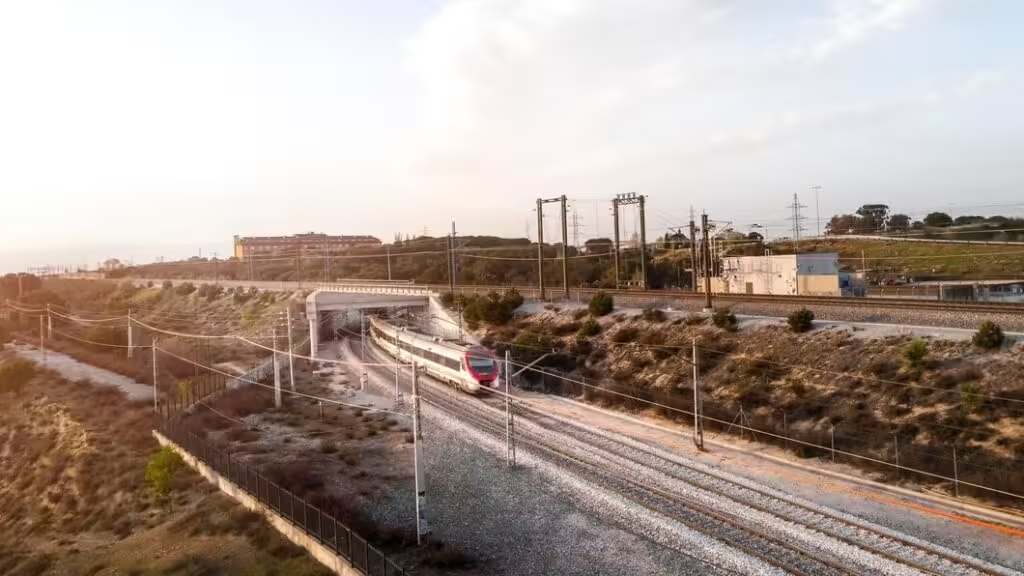
The performance of a railway track is determined by its ability to withstand heavy loads while maintaining its structural integrity over time. Geogrid and Geonet in Railway Applications are designed to enhance this performance by providing additional support to the track structure.
Geogrid materials distribute the weight of the trains more evenly across the track, preventing the formation of ruts and improving load-bearing capacity. Meanwhile, Geonet allows water to escape, preventing moisture from affecting the track’s stability. Together, these geosynthetics work to ensure that railway tracks remain durable and capable of handling the stresses placed on them by constant train traffic.
In high-traffic areas, where the tracks are subject to constant pressure, the role of Geogrid and Geonet in Railway Applications becomes even more crucial. These materials help maintain the track’s alignment, prevent settlement, and ensure the track remains stable under heavy use.
Geogrid and Geonet: Sustainable Solutions for the Railway Industry
As the railway industry continues to focus on sustainability and environmental impact, Geogrid and Geonet in Railway Applications offer a more eco-friendly alternative to traditional construction methods. These geosynthetics are made from recyclable materials, reducing the carbon footprint of railway construction projects. Additionally, their long lifespan means that fewer resources are needed for maintenance and repairs, contributing to overall sustainability in the industry.
Furthermore, Geogrid and Geonet materials can be used in a variety of challenging soil and climate conditions, providing a versatile solution that is adaptable to different environmental factors. Whether it’s extreme temperatures, high moisture levels, or difficult soil types, these geosynthetics are designed to perform well, making them an essential part of modern railway infrastructure.
The Future of Geogrid and Geonet in Railway Applications
The future of Geogrid and Geonet in Railway Applications looks promising, as more advancements are being made in the materials and manufacturing processes. Innovations in geosynthetic technology are expected to improve the strength, durability, and environmental performance of these materials even further.
With the increasing need for sustainable infrastructure, the demand for Geogrid and Geonet will continue to grow. These materials will play a crucial role in modernizing railway networks worldwide, ensuring that tracks remain safe, stable, and reliable for years to come.
Conclusion: The Key Role of Geogrid and Geonet in Modern Railway Construction
In conclusion, Geogrid and Geonet in Railway Applications are indispensable for the long-term stability and performance of railway infrastructure. These materials provide solutions to some of the most challenging issues faced by railway engineers, including soil instability, drainage problems, and high maintenance costs. By incorporating Geogrid and Geonet into railway projects, companies can ensure the creation of safer, more durable tracks that will last for decades.
As the railway industry continues to grow and modernize, the role of these geosynthetics will only become more important. Their ability to improve performance, reduce costs, and enhance sustainability makes them a vital component of railway infrastructure development.