
How to Master Geomembrane Leak Prevention in Wastewater Systems
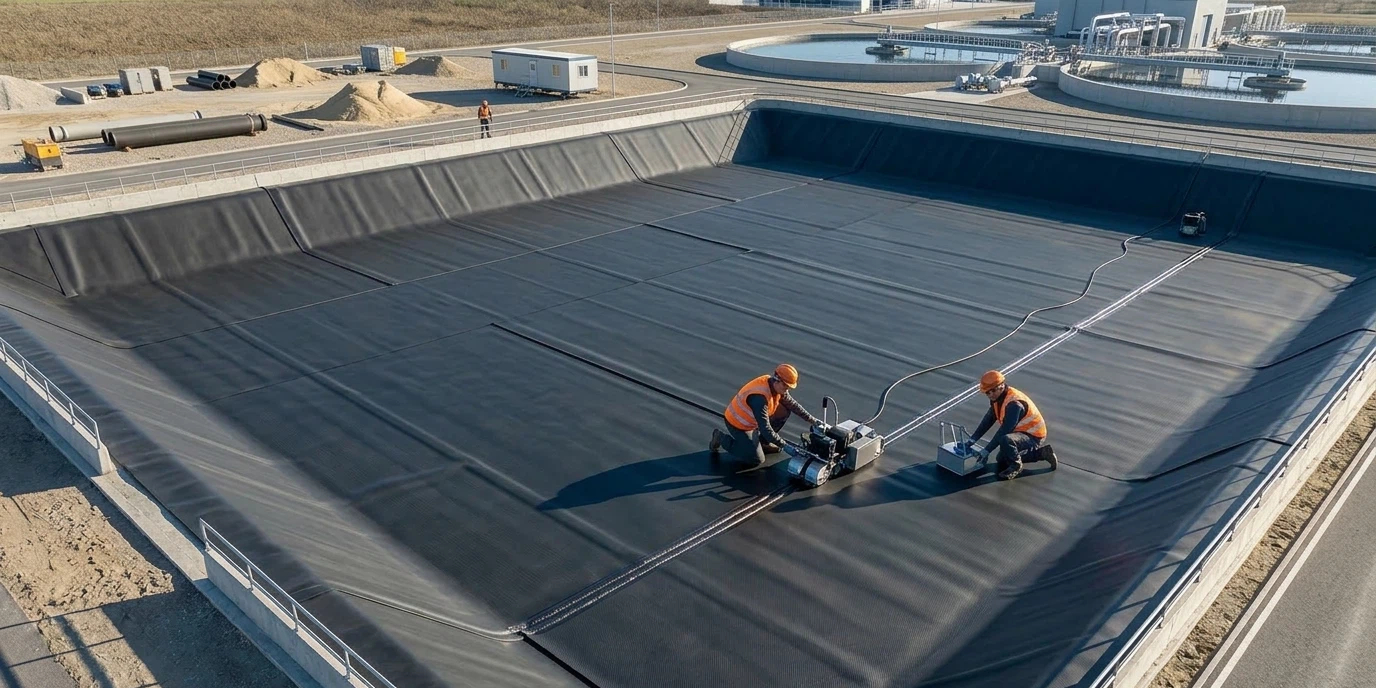
In the realm of environmental engineering, the integrity of a wastewater containment liner is the thin line between operational success and catastrophic environmental liability. Whether it is a municipal treatment facility or an industrial evaporation pond, the stakes for geomembrane leak prevention have never been higher. With tightening EPA regulations and the rising costs of groundwater remediation, understanding the mechanics of containment failure is a prerequisite for any project manager.
A leak is rarely the result of a single catastrophic event; it is usually the culmination of overlooked stresses during the design and installation phases. Achieving high-level geomembrane leak prevention requires a multi-layered approach that integrates material science with rigorous onsite protocols.
Table of Contents
Common Causes of Geomembrane Failure in Wastewater
Before implementing a strategy, we must diagnose the enemy. Common causes of geomembrane failure in wastewater typically fall into three categories: mechanical damage, thermal stress, and chemical degradation.
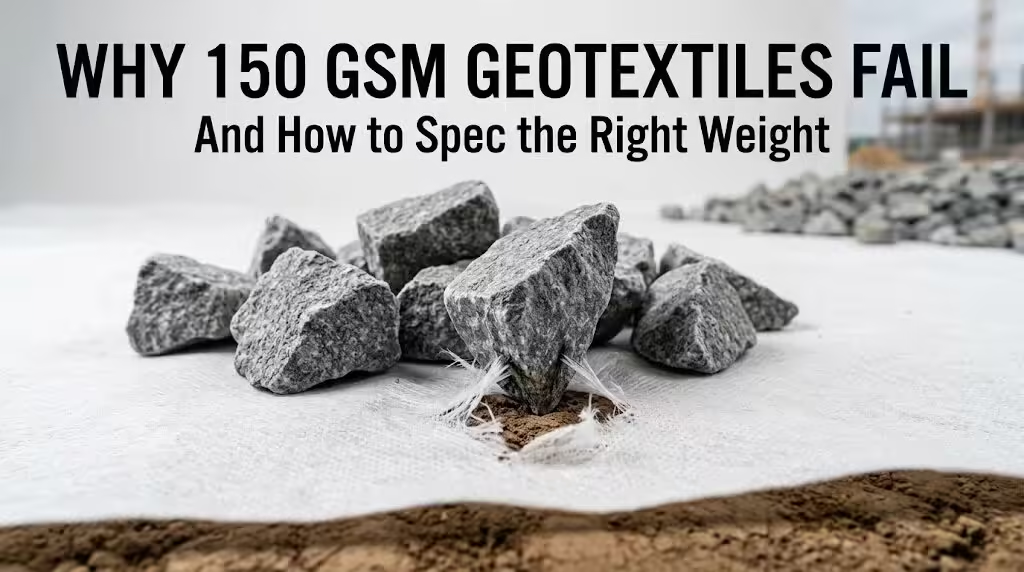
1.Mechanical Punctures: During installation, sharp aggregates in the subgrade or dropped tools can create micro-tears.
2.Welding Defects: Inconsistent temperatures during HDPE geomembrane welding create weak seams that fail under hydraulic pressure.
3.Chemical Degradation: If the liner lacks sufficient geomembrane chemical resistance, the volatile organic compounds (VOCs) in wastewater can leach plasticizers, leading to embrittlement.
Core Strategies for Geomembrane Leak Prevention
Effective geomembrane leak prevention begins long before the first roll of liner is unfurled. It starts with the selection of the correct resin and a deep understanding of the site’s topography.
1.Rigorous Subgrade Preparation
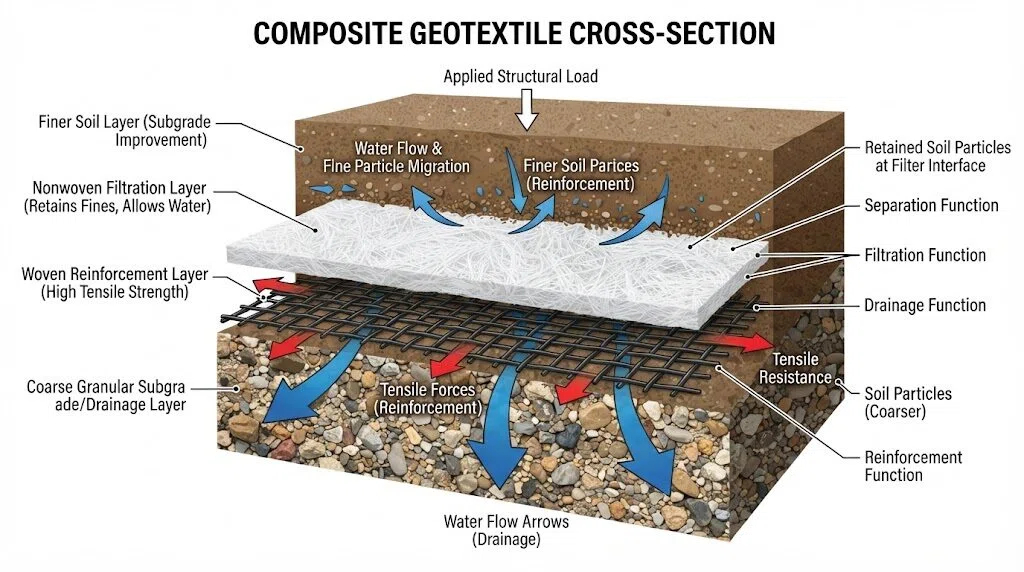
A “clean” subgrade is the foundation of geomembrane leak prevention. The surface must be free of any stones larger than 10mm, organic debris, or standing water. Engineers often specify a non-woven geotextile cushion to act as a protective layer between the soil and the geomembrane, significantly reducing the risk of localized stress concentrations.
2.Precision in HDPE Geomembrane Welding
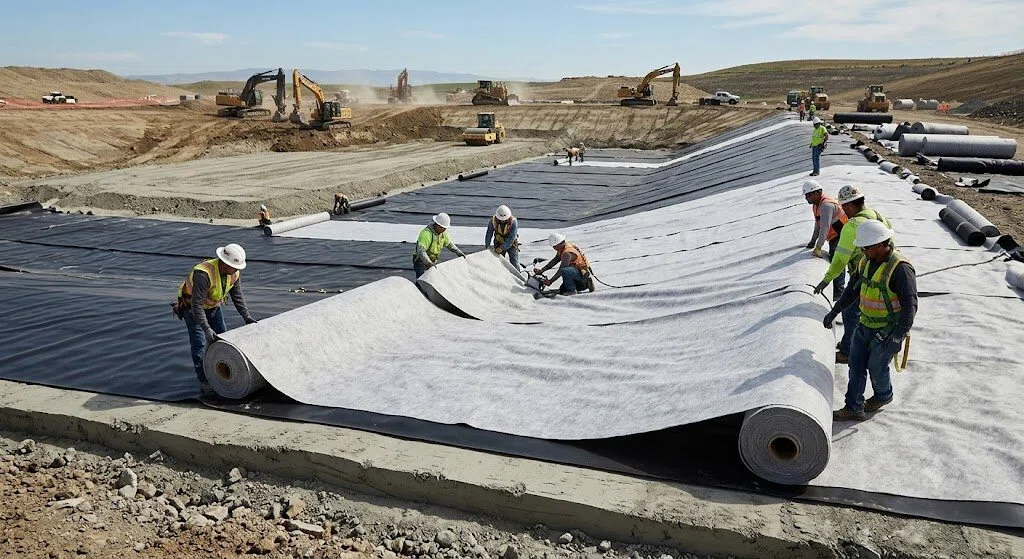
Since over 80% of leaks occur at the seams, mastering HDPE geomembrane welding is non-negotiable. Dual-track fusion welding is the industry standard for long seams, allowing for a central air channel that can be pressure-tested. For complex geometries and repairs, extrusion welding must be performed by certified technicians to ensure a molecular bond.
Technical Best Practices for Geomembrane Installation and Maintenance
To ensure long-term geomembrane leak prevention, follow a structured maintenance and installation checklist. According to the Geosynthetic Institute (GSI), documented Quality Assurance (CQA) can reduce the probability of leaks by up to 90%.
| Factor | Prevention Strategy | Expected Outcome |
| Seam Integrity | Vacuum Box & Pressure Testing | 100% Leak-free joins |
| Thermal Expansion | Strategic “Waves” or Slack during laydown | Prevention of stress cracking |
| UV Exposure | Soil or Concrete Cover | Extended service life (>50 years) |
| Chemical Loading | High-density polyethylene (HDPE) | Superior geomembrane chemical resistance |
Maintaining a consistent schedule for best practices for geomembrane installation and maintenance involves quarterly inspections for signs of gas “whaling” (bubbles) or mechanical abrasion at the water line. Consistent geomembrane leak prevention is a marathon, not a sprint.
Liner Integrity Testing: Tools and Standards
When the containment is filled, how do you verify success? This is where liner integrity testing becomes critical. Relying on visual inspection is no longer sufficient for high-risk wastewater projects.
Modern engineers utilize ASTM standards for geomembrane leak detection, specifically the ASTM D7007 (Electrical Leak Location in covered geomembranes) and ASTM D7002 (Exposed geomembrane spark testing). These methods can detect holes as small as 1mm, which are invisible to the naked eye but can leak thousands of gallons of contaminated water over time. Knowing how to detect leaks in HDPE geomembranes using geoelectrical methods is now a standard requirement in many international tenders.
Investing in geomembrane leak prevention during the testing phase is significantly more cost-effective than attempting a mid-operation repair. A single geoelectric survey can confirm the “zero-leak” status of a facility before it ever sees a drop of wastewater.
Conclusion: The ROI of Zero-Leak Integrity
In conclusion, geomembrane leak prevention is not just an environmental obligation; it is a financial strategy. The cost of a geoelectrical survey and certified welding inspection is a fraction of the cost of environmental fines and loss of reputation. By prioritizing geomembrane leak prevention through superior material selection and rigorous CQA standards, you ensure the longevity of your wastewater infrastructure.
Frequently Asked Questions
Why is geomembrane leak prevention critical for wastewater?
Contained wastewater often contains heavy metals and toxins. Geomembrane leak prevention prevents these pollutants from reaching the water table, protecting the local ecosystem and preventing massive legal liabilities.
What is the most common failure point in a liner?
Field seams are the most common failure points. This is why specialized HDPE geomembrane welding and non-destructive testing are the cornerstones of any leak prevention plan.
How often should I perform liner integrity testing?
Ideally, a full survey should be conducted immediately after installation (before filling) and then every 3-5 years as part of a routine maintenance program to ensure ongoing geomembrane leak prevention.