
What Are Geosynthetics? The Essential Guide to Their Types and Functions
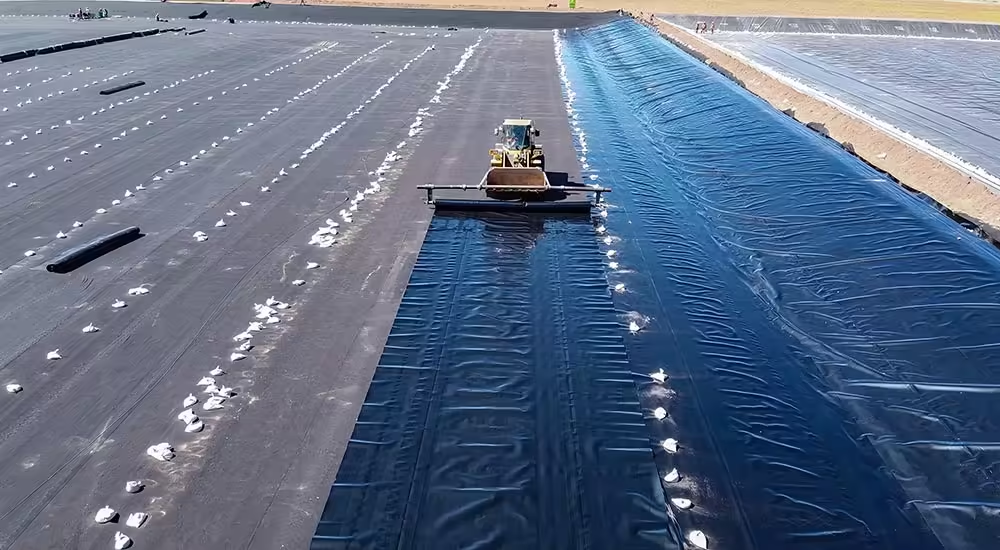
Table of Contents
Geosynthetics, the synthetic materials widely used to solve diverse civil engineering challenges, play an essential role in improving infrastructure efficiency, durability, and safety across applications from roads and dams to environmental protection. This guide explores their different types and primary functions, demonstrating why they are now indispensable in modern engineering.
What Are Geosynthetics?
These are a group of materials made from polymers used to solve specific engineering challenges in construction. These materials, which include geotextiles, geomembranes, geogrids, geocells, and geocomposites, offer a range of solutions for drainage, reinforcement, separation, filtration, and containment. Their ability to enhance the performance of engineering structures makes them crucial in the design and construction of roads, airports, embankments, and even environmental protection systems.
The Types of Geosynthetics
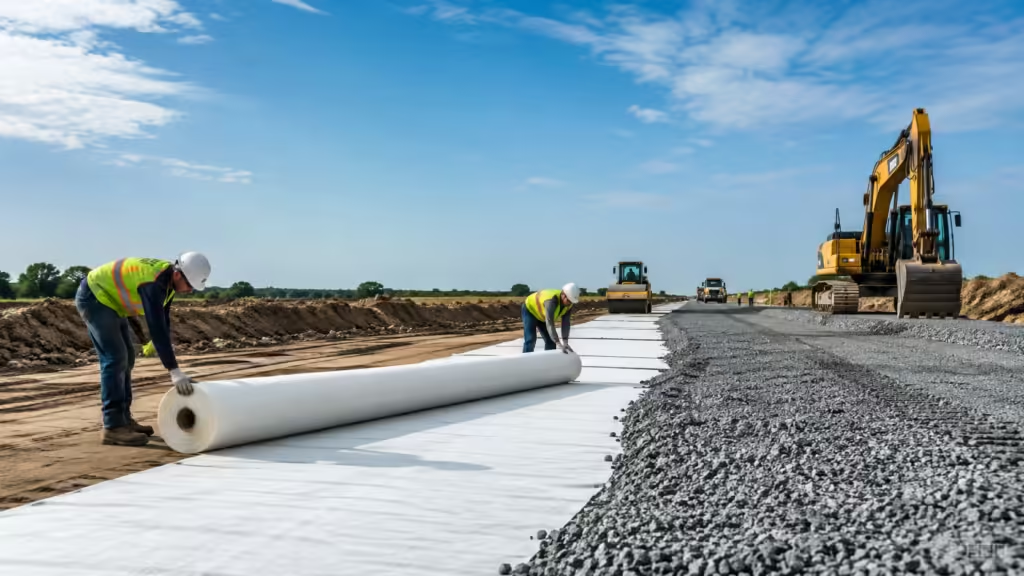
Geotextiles are one of the most commonly used types of geosynthetics. These permeable fabrics are used for separation, filtration, reinforcement, and drainage in a variety of construction applications. There are two main types: woven and non-woven geotextiles. Woven geotextiles are typically used for reinforcement in applications such as roads and pavements, while non-woven geotextiles are preferred for filtration in drainage systems.
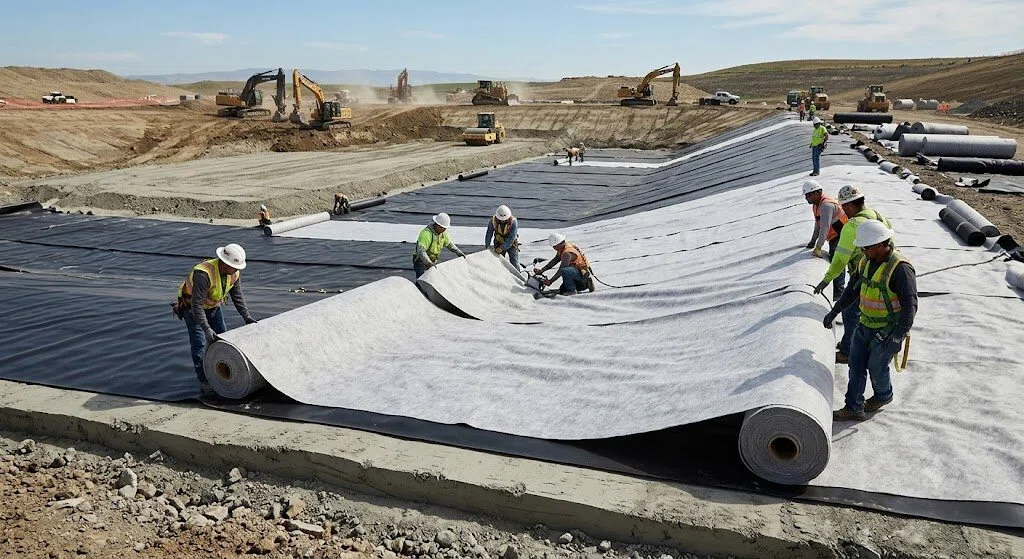
Geomembranes are impermeable geosynthetics primarily used for containment applications. These materials are designed to prevent the movement of liquids or gases through a barrier. Geomembranes are commonly used in landfills, ponds, and reservoirs, offering an effective solution for waterproofing and leak prevention.
Geogrids are geosynthetics used for soil reinforcement. These materials consist of a network of polymeric materials that are designed to increase the strength of soil, making them ideal for road construction, retaining walls, and embankments. They improve the stability of weak soils by distributing loads over a larger area, preventing soil movement and erosion.
Geocells
Geocells are three-dimensional, honeycomb-like structures used for soil stabilization. These geosynthetics are often employed to improve the load-bearing capacity of soils, making them ideal for use in areas with soft or unstable ground. Geocells help reduce soil erosion and prevent the formation of ruts in roads and pavements.
Geocomposites
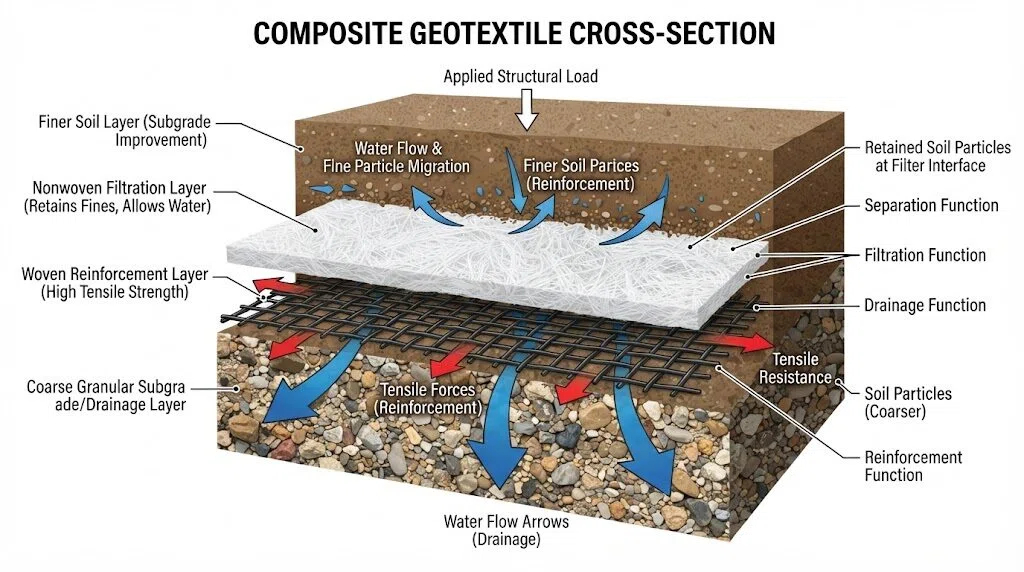
Geocomposites combine two or more geosynthetics to create a multi-functional material. These materials often combine geotextiles with geomembranes or geogrids to improve performance in specific applications, such as drainage systems, erosion control, and landfills. Geocomposites provide a cost-effective solution by combining the benefits of multiple materials in one product.
Functions of Geosynthetics
Drainage and Filtration
For drainage and filtration purposes, materials such as geotextiles are widely used in civil engineering projects like roads and pavements. These permeable fabrics allow water to pass through while filtering out fine particles from the soil. This process helps maintain ground stability and prevents the buildup of excess moisture that could lead to structural damage.
Reinforcement
They are often used for reinforcement, a primary function in road and embankment construction. These materials enhance the soil’s tensile strength, thereby increasing its load-bearing capacity. This helps prevent settlement and deformation, ensuring the stability of structures such as roads, railways, and bridges.
Separation
They are also used for separation, which prevents different soil layers from mixing. This function is essential in projects such as roads, where it is crucial to keep the subgrade soil separate from the aggregate layer in order to maintain pavement integrity. Geotextiles are often employed for this purpose, serving as a barrier between the soil and the aggregate materials.
Erosion Control
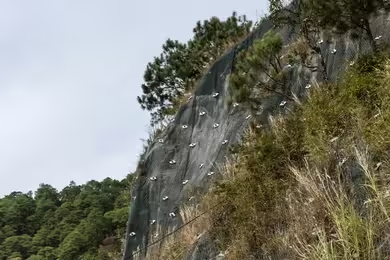
They are also used for erosion control, stabilizing soil and preventing its displacement. Materials such as geocells and geotextiles are employed in erosion-prone areas like slopes, riverbanks, and coastal zones. These materials help keep the soil in place, reducing the risk of erosion caused by wind, water, or other environmental factors.
The Benefits of Using Geosynthetics
Geosynthetics offer numerous advantages, making them a valuable addition to modern construction projects. Some of the key benefits include:
1.Cost-Effectiveness: Geosynthetics can reduce the need for more expensive materials like gravel, stone, or concrete, making them a more economical option for many projects.
2.Durability: These materials are designed to withstand harsh environmental conditions, ensuring long-term performance and stability.
3.Environmental Protection: Geosynthetics help reduce environmental impact by improving drainage, controlling erosion, and preventing contamination of water sources.
4.Ease of Installation: Many geosynthetics are easy to handle and install, reducing labor costs and construction time.
Conclusion
In conclusion, geosynthetics have become an essential part of modern civil engineering, offering practical solutions for a wide range of challenges. From improving soil stability and drainage to providing effective erosion control, their diverse functions make them indispensable in construction projects around the world. Understanding the types and functions of such materials is crucial for selecting the right ones for each project, ensuring durability, efficiency, and environmental protection.