
Geotextile Membrane: Enhance Soil Reinforcement in Projects
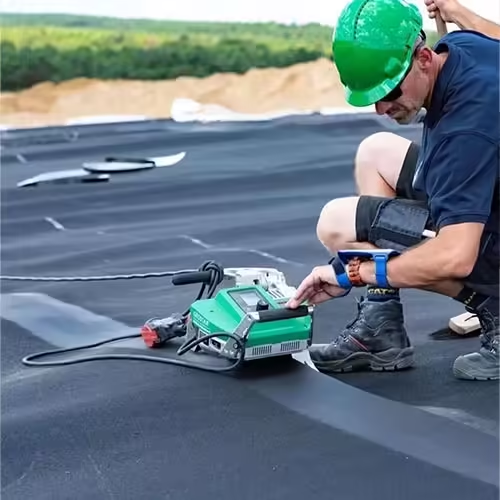
Table of Contents
Introduction

In modern infrastructure and environmental engineering, soil reinforcement plays a vital role in ensuring structural stability and longevity. Among the most effective materials for achieving this, the geotextile membrane stands out for its strength, versatility, and long-term performance.
At EcoGeo Material, based in Shandong Province, we specialize in the research, production, and installation of advanced geosynthetic materials, including geomembranes, geomembranes, and geotextile fabrics. Our products are widely used in water management, environmental protection, municipal engineering, aquaculture, landfill construction, slope stabilization, and mining restoration.
This article explores how a geotextile membrane enhances soil reinforcement in different types of projects, offering practical insight into its functions, applications, and benefits supported by real engineering principles.
Understanding the Function of Geotextile Membrane in Soil Reinforcement
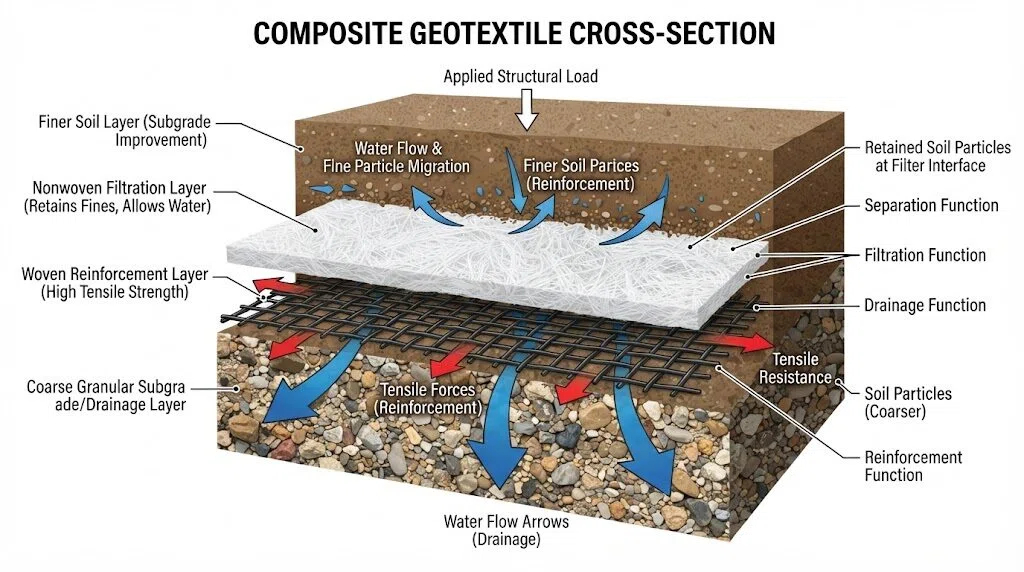
A geotextile membrane is a permeable fabric that, when placed between soil layers, provides separation, filtration, drainage, and reinforcement. Its primary purpose in soil reinforcement is to improve the mechanical behavior of the ground by increasing its load-bearing capacity and reducing settlement.
According to research from the International Journal of Geotechnical Engineering, the use of geomembranes in subgrade reinforcement can increase soil bearing strength by up to 50%, depending on soil type and compaction quality. This makes it an indispensable component in roads, embankments, retaining walls, and foundation systems.
Applications of Geotextile Membrane in Infrastructure Projects
1. Road Subgrade Reinforcement
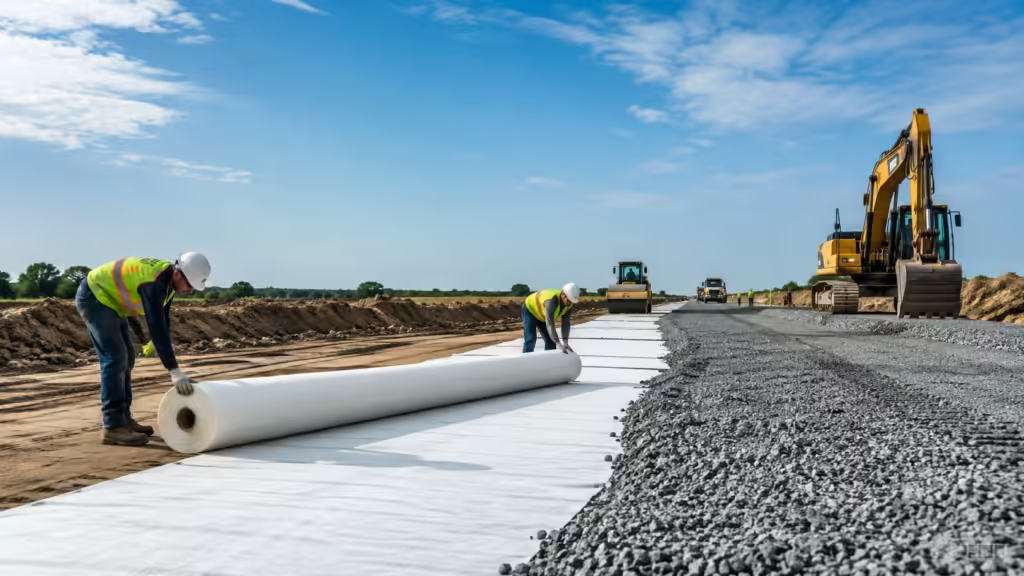
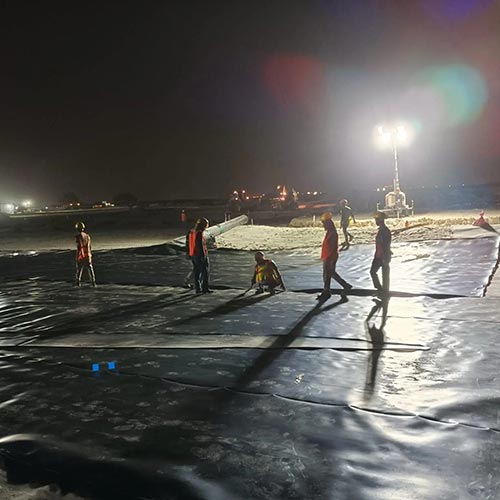
In road and highway construction, geomembranes are placed between weak subgrade and aggregate layers. They prevent the mixing of materials, distribute loads evenly, and extend pavement life. The result is a more stable and durable roadway that requires less maintenance.
2. Slope and Embankment Stabilization
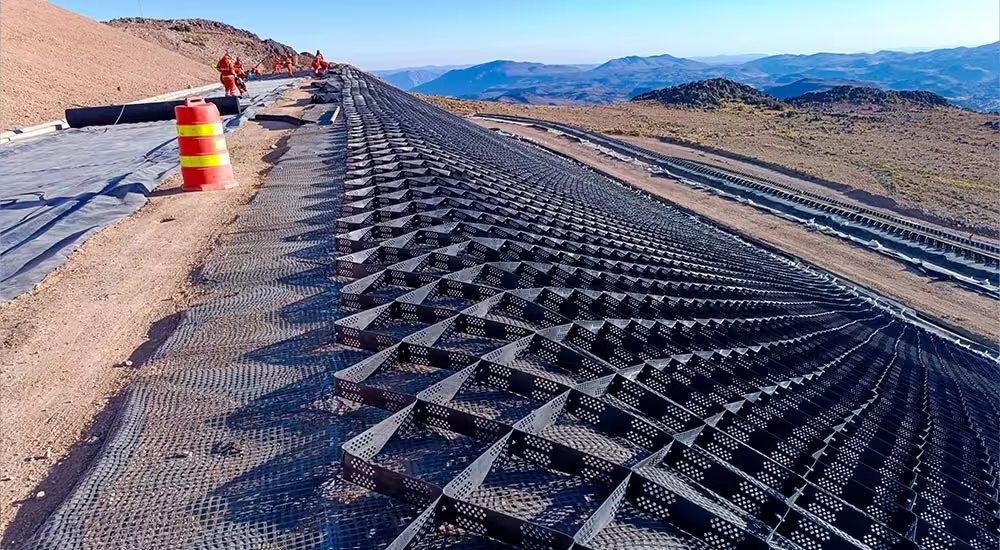
Geotextile membranes help resist lateral soil movement and enhance slope stability. They act as a tensioned element that strengthens the soil matrix, preventing erosion and landslides in both natural and engineered slopes.
3. Retaining Wall and Embankment Support
When used behind retaining walls or in embankments, geomembranes function as reinforcement layers that reduce deformation and prevent structural failure. They distribute pressure uniformly, which is critical in large-scale infrastructure projects.
4. Soft Soil Ground Improvement
In areas with weak or compressible soils, geomembranes provide a reinforcing interface that reduces settlement and increases bearing capacity. This allows for construction on sites that would otherwise be unsuitable for heavy loads.
How to Select the Right Geotextile Membrane
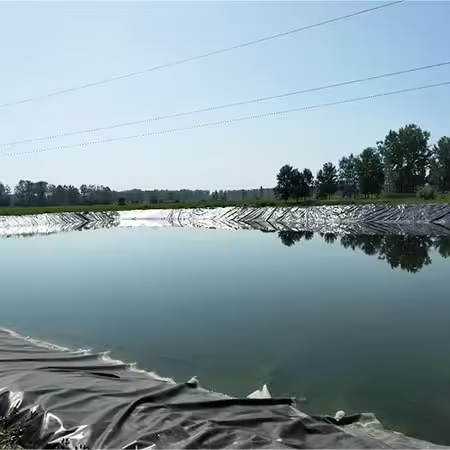
Choosing the appropriate geomembrane depends on factors such as soil type, load requirements, drainage conditions, and expected lifespan of the project. Below is a comparison of different geomembrane types based on their typical properties and applications.
Table: Comparison of Geotextile Membrane Types
| Type | Structure | Main Function | Best Used For | Advantages |
|---|---|---|---|---|
| Woven geotextile membrane | Interlaced fibers | High tensile strength, separation | Road bases, retaining walls | Excellent load distribution |
| Nonwoven geotextile membrane | Random fiber web | Filtration, drainage, protection | Landfills, erosion control, slopes | Good permeability and flexibility |
| Composite geotextile membrane | Multi-layer combination | Reinforcement and drainage | Complex geotechnical structures | Dual functionality and durability |
When selecting materials, consider factors such as tensile strength, elongation rate, permeability, and resistance to UV degradation. Working with a qualified manufacturer ensures that the membrane meets the engineering and environmental standards required for your specific project.
Installation Guidelines for Effective Geotextile Membrane Performance
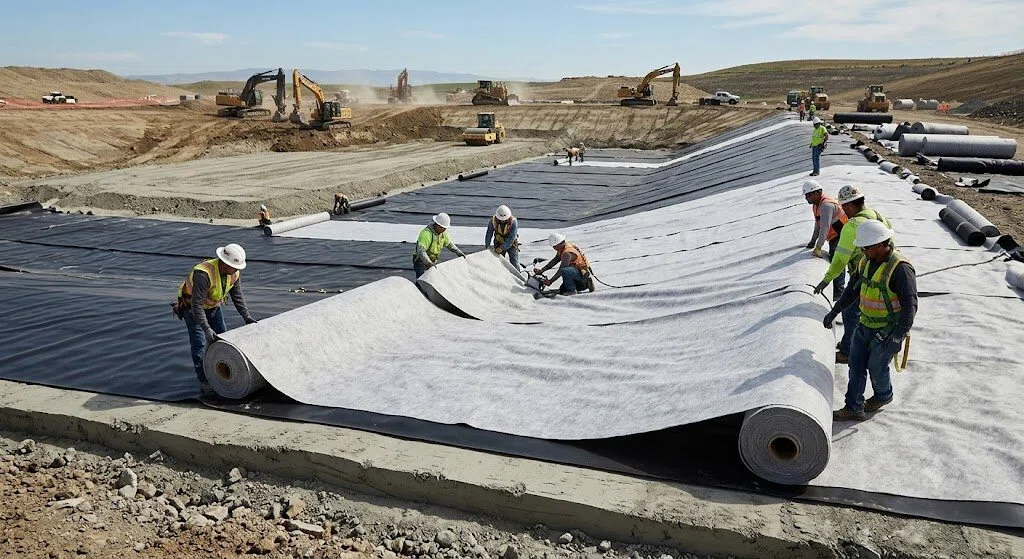
Proper installation is critical to maximizing the benefits of a geomembrane. Here are some practical steps:
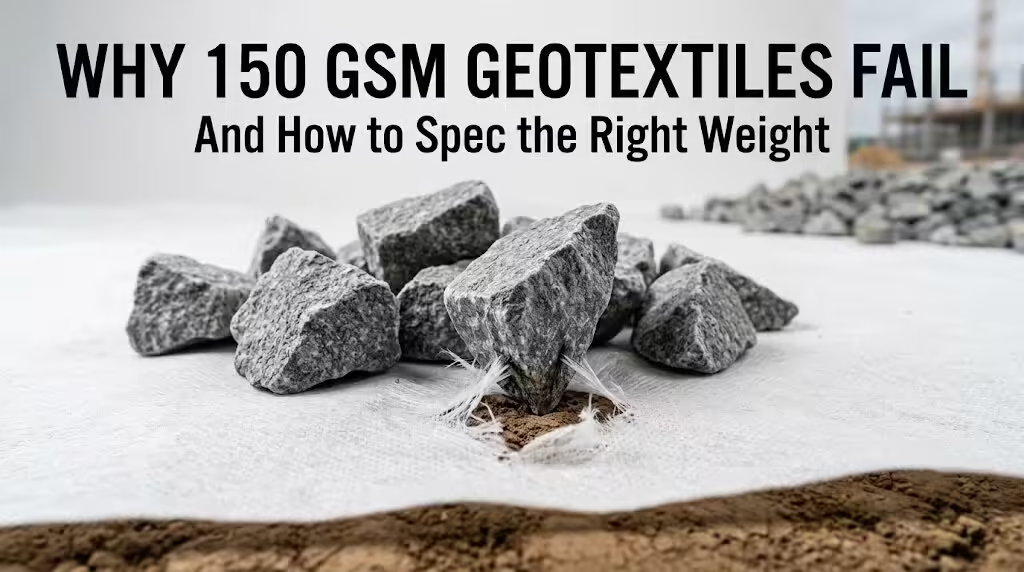
- Surface Preparation: Remove sharp objects, debris, and irregularities to avoid punctures.
- Membrane Placement: Roll the membrane smoothly without folds or wrinkles, overlapping adjacent sheets by at least 30 cm.
- Anchoring and Joining: Secure the overlaps with heat welding or stitching, depending on the site conditions.
- Backfilling: Use clean, graded fill material to protect the membrane from damage during compaction.
- Inspection: Regularly check the membrane for damage or misalignment before covering it completely.
These steps ensure that the geotextile membrane performs effectively in soil reinforcement, providing structural stability over the long term.
Advantages of Using Geotextile Membrane in Soil Reinforcement
The benefits of using geomembranes extend beyond basic soil stabilization. Key advantages include:
- Enhanced load-bearing capacity: Improves soil strength and supports heavier structures.
- Reduced construction costs: Minimizes the need for thick aggregate layers.
- Extended service life: Protects soil layers from mixing and reduces long-term maintenance.
- Improved drainage and filtration: Allows water to pass while retaining soil particles.
- Environmental sustainability: Reduces the use of natural aggregates and supports eco-friendly construction practices.
A study published by Geosynthetics International found that projects using geomembranes can reduce material costs by 15–25% while improving foundation performance and lifespan.
Conclusion
Geotextile membranes have become a cornerstone in modern soil reinforcement, offering unmatched performance in infrastructure, environmental, and geotechnical projects. Their ability to stabilize soil, control erosion, and extend the service life of structures makes them an essential material for engineers and contractors. At EcoGeo Material, we combine technical expertise with advanced manufacturing to provide geotextile membranes that meet the highest standards of strength, durability, and environmental protection.
If you’re looking to enhance soil reinforcement and improve the efficiency of your next project, contact EcoGeo Material today to explore tailored geosynthetic solutions for your specific engineering needs. Together, we can build stronger, safer, and more sustainable infrastructure.
FAQ
What is the difference between woven and nonwoven geotextile membranes?
Woven membranes provide higher tensile strength and are ideal for reinforcement, while nonwoven types offer better filtration and drainage.
Can geomembranes be used in wet or saturated soil conditions?
Yes, they are specifically designed to perform in challenging environments, maintaining stability even under high moisture or hydrostatic pressure.
How long does a geomembrane last?
Depending on material quality and exposure, a well-installed membrane can last over 25 years in most geotechnical applications.
Are geotextile membranes environmentally safe?
Modern geomembranes are made from inert, non-toxic polymers that do not leach harmful substances into soil or groundwater.