
Geotextiles: Selection, Application, and Their Importance in Engineering
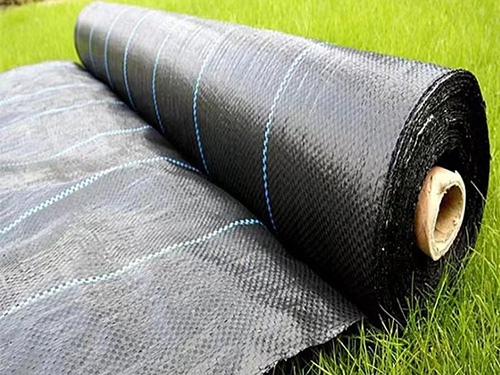
Table of Contents
- Geotextiles Introduction
- What are geotextiles?
- Nonwoven Geotextiles
- Woven Geotextiles
- Composite Geotextiles
- Main application scenarios for these materials
- Advantages of Geotextiles
- How to choose the right type
- Installation and maintenance of these materials
- Industry Trends and Innovations
- Conclusion
Geotextiles Introduction
Geotextiles are high-strength materials widely used in engineering, construction, and environmental protection. By improving soil stability and providing filtration and drainage functions, they are extensively used in roadbed construction, drainage systems, dam reinforcement, and other fields. Whether in highway construction, mining projects, or landfill construction, geosynthetic fabrics play a crucial role in ensuring structural stability, extending facility lifespan, and enhancing safety. In this article, we will explore the types of these materials, their application scenarios, and the key factors to consider when selecting the appropriate type.
What are geotextiles?
These materials are engineering materials made from synthetic materials such as polyester, polypropylene, or nylon. They are primarily used in civil engineering and construction projects to reinforce soil structures, control water flow, filter moisture, and provide support. They are typically classified into three types based on their manufacturing process: nonwoven, woven, and composite types.
Nonwoven Geotextiles
- Nonwoven geotextiles are manufactured using randomly arranged fibers through mechanical, chemical, or thermal bonding processes. They possess strong filtration and drainage capabilities and are widely used in soil stabilization, road construction, drainage systems, and other fields.
Advantages:
- Excellent water flow and filtration properties
- Higher tensile strength
Suitable for projects requiring rapid water drainage, such as drainage pipes and ditches.
Woven Geotextiles
- Woven geotextiles are made from precisely woven fibers and are typically used in projects requiring high load-bearing capacity, such as road construction and heavy infrastructure projects. They offer high strength and tensile resistance, making them suitable for applications with stringent stability requirements.
Advantages:
- High tensile strength and shear resistance
- Suitable for heavy infrastructure construction and transportation engineering
Composite Geotextiles
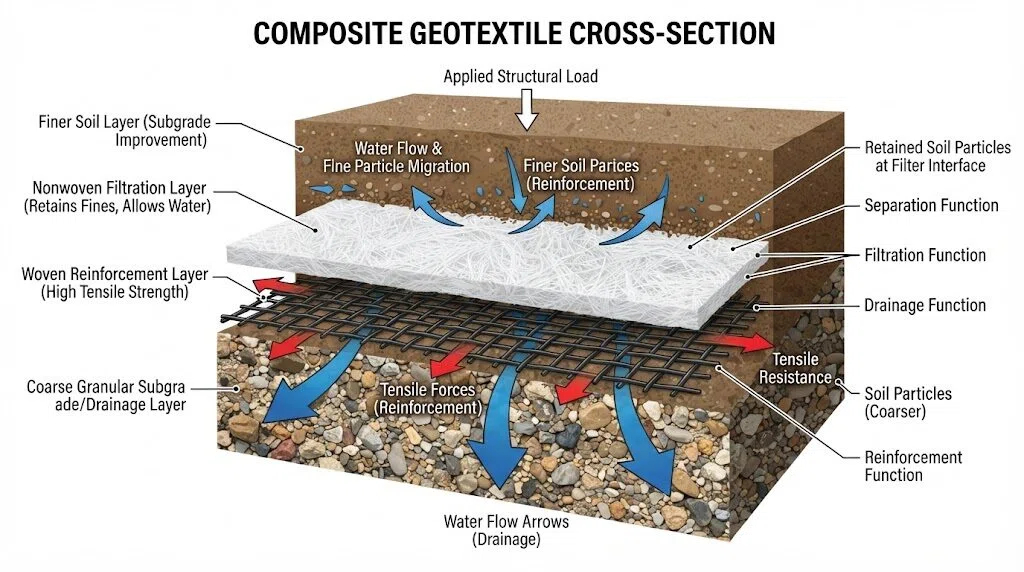
- Composite geotextiles combine the advantages of both nonwoven and woven types, typically by layering the two materials to enhance their multifunctionality. They are applied in various fields, particularly in projects requiring multiple functions such as waterproofing, soil reinforcement, and drainage.
Advantages:
- Multifunctionality
- Enhances project stability and durability
- Suitable for complex engineering projects
Main application scenarios for these materials
- Road construction and soil stability
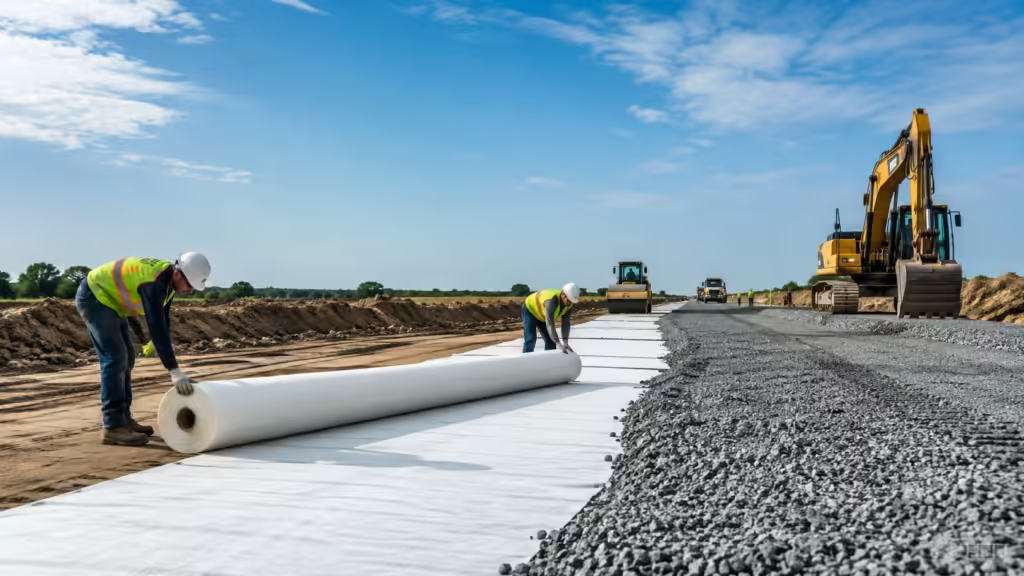
Geotextiles are widely used in road construction, especially in areas with unstable or loose soil. They effectively prevent soil settlement, separate different soil layers, and enhance structural stability.
Application examples:
In highway construction, woven geotextiles can be used in the road base layer to prevent settlement and enhance the road’s load-bearing capacity.
- Drainage systems
Geotextiles are commonly used in various drainage systems, especially in scenarios requiring efficient filtration and drainage. Non-woven geosynthetic fabrics facilitate smooth water flow through their excellent permeability, preventing water accumulation that could affect engineering structures.
Application example:
In drainage ditches or rainwater collection systems, geosynthetic fabrics are used as filtration layers to effectively block silt from entering pipes, thereby extending the system’s service life.
- Dams and Bank Protection Engineering
Geotextiles play a crucial role in dam reinforcement and bank protection engineering, enhancing soil structural strength, preventing soil erosion, and ensuring the stability of water boundaries.
Application Example:
In riverbank protection projects, geosynthetic fabrics are used as waterproof barriers to prevent water erosion of slopes and enhance dam strength.
- Mining and Environmental Protection
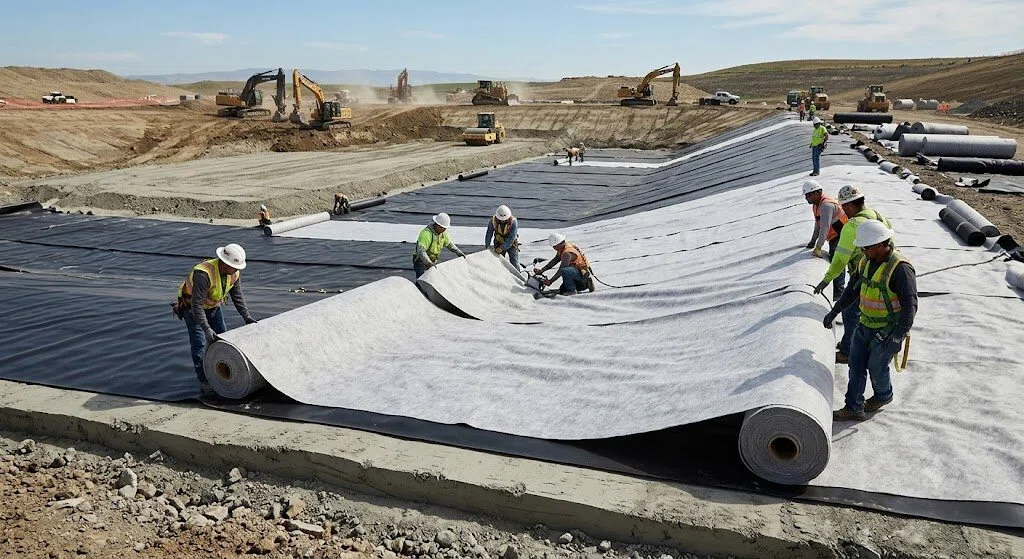
In the mining industry, geosynthetic fabrics are commonly used in the construction of tailings dams and the isolation of landfills. They effectively prevent the penetration of pollutants and protect groundwater resources.
Application Example:
In waste landfills, geosynthetic fabrics are used to block the penetration of liquid waste, reducing the risk of pollutants entering water sources.
- Waste Management and Landfills
Geotextiles are particularly important in landfills, as they prevent leachate from contaminating groundwater sources while minimizing waste dispersion.
Application Example:
Geotextiles are widely used on the bottom and sides of landfills to prevent the leakage of harmful substances.
Advantages of Geotextiles
One of the significant advantages of using geosynthetic fabrics is their cost-effectiveness, as they enhance soil stability and reduce the need for other high-cost materials. Additionally, the high strength and durability of geosynthetic fabrics enable them to maintain the safety of engineering structures over the long term, thereby reducing the frequency of maintenance and replacement. Geotextiles also offer the following advantages:
- Improved Engineering Quality and Safety: Enhancing soil stability reduces the risk of structural failure.
- Extended service life: Reduces maintenance costs caused by soil instability or soil erosion.
- Environmental friendliness: By reducing soil erosion, geosynthetic fabrics contribute to environmental protection and promote sustainable development.
How to choose the right type
When selecting the appropriate geotextile, it is necessary to assess the specific requirements of the project. The following are some factors to consider when choosing geosynthetic fabrics:
- Soil conditions: Understand the soil’s moisture content, stability, and particle size to select geosynthetic fabrics with suitable filtration performance.
- Engineering load: For heavy-duty projects such as highways or large-scale infrastructure, choose woven geosynthetic fabrics to meet high-strength requirements.
- Intended use: Select the appropriate type based on drainage, reinforcement, or waterproofing requirements. If the project requires high permeability, choose non-woven geotextiles.
- Environmental conditions: Consider how geotextiles perform under different climatic conditions, particularly their resistance to UV radiation and chemicals.
Installation and maintenance of these materials
The installation and maintenance of geotextiles are critical to their performance. The following are some common installation and maintenance recommendations:
Installation Recommendations:
- Ensure that the geotextile is not stretched or damaged during installation.
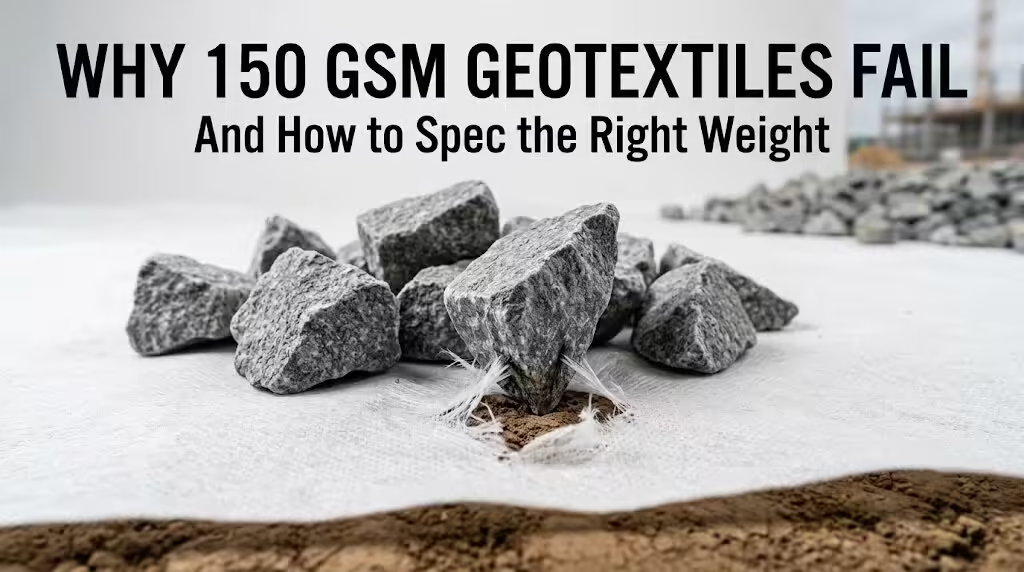
- Avoid contact with sharp objects during installation to prevent tears.
- Ensure that the geotextile fully covers the entire area during installation to prevent exposure.
Maintenance Recommendations:
- Regularly inspect the integrity of the geotextile, especially under high-load or harsh environmental conditions.
- Clean the surface of the geotextile to prevent the accumulation of debris or sediment.
Industry Trends and Innovations
As geotextile technology continues to evolve, more innovative applications may emerge in the future. Here are some industry trends:
- Eco-friendly Materials: With the strengthening of environmental regulations, geotextile manufacturers are developing recyclable or biodegradable geosynthetic fabrics to reduce environmental impact.
- Smart Geotextiles: Geotextiles embedded with sensors are expected to monitor soil moisture, pressure, and other data, providing real-time feedback for engineering projects and enhancing intelligent management.
Conclusion
These materials are an important part of modern infrastructure construction. Not only do they improve the safety and durability of projects, but they also help save costs and promote environmental protection. By selecting the appropriate type, you can ensure the efficient completion and long-term stability of your project. If you have any questions or require a customized solution, please feel free to contact us at any time.
FAQ
What are Geotextiles?
Geotextiles are high-strength engineering materials made from synthetic materials such as polyester, polypropylene, or nylon. They are primarily used in civil engineering and construction projects to reinforce soil structures, control water flow, filter moisture, and provide support. They are typically classified into three types: nonwoven, woven, and composite, each suited for different engineering needs.
What is the difference between Nonwoven Geotextiles and Woven Geotextiles?
Nonwoven Geotextiles: Made from randomly arranged fibers through mechanical, chemical, or thermal bonding processes. They have excellent filtration and drainage properties and are widely used in soil stabilization, drainage systems, and other applications.
Woven Geotextiles: Made from precisely woven fibers, typically used in projects that require high load-bearing capacity, such as road construction and heavy infrastructure projects. They offer high tensile strength and shear resistance.
What are the main applications of Geotextiles in civil engineering?
Geotextiles have a wide range of applications in various fields, including:
Road Construction: Prevent soil settlement and enhance roadbase stability.
Drainage Systems: Improve water flow and prevent water accumulation, protecting engineering structures.
Dams and Bank Protection: Enhance soil structural strength, prevent erosion, and ensure the stability of water boundaries.
Mining and Environmental Protection: Used in tailings dams and landfills to prevent pollutants from leaching.
Waste Management and Landfills: Prevent leachate contamination of groundwater resources.
How do I choose the right type of Geotextile for my project?
When selecting the appropriate Geotextile, consider the following factors:
Soil Conditions: Understand the moisture content, stability, and particle size of the soil to select a Geotextile with suitable filtration performance.
Engineering Load: For heavy-duty projects such as highways or large-scale infrastructure, choose woven geosynthetic fabrics to meet high-strength requirements.
Intended Use: Choose based on whether the project requires drainage, reinforcement, or waterproofing. For high permeability, select nonwoven geosynthetic fabrics.
Environmental Conditions: Consider how the geosynthetic fabrics perform under different climates, particularly their resistance to UV radiation and chemicals.
What are the installation and maintenance recommendations for Geotextiles?
Clean the surface of the Geotextile to prevent the accumulation of debris or sediment, which could affect its performance.ns.
Installation Recommendations:
Ensure that the Geotextile is not stretched or damaged during installation.
Avoid contact with sharp objects to prevent tearing.
Make sure the Geotextile fully covers the entire area to prevent exposure.
Maintenance Recommendations:
Regularly inspect the integrity of the Geotextile, especially under high-load or harsh environmental conditions.