
HDPE Liner Applications Across Industries: Case Studies and Guide
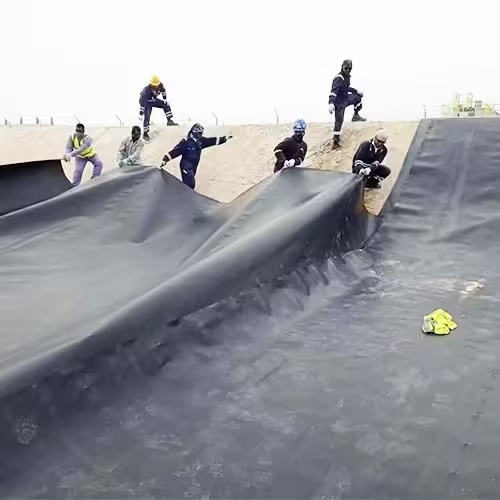
Table of Contents
Introduction
HDPE liners have become a cornerstone material in modern engineering projects. From water management and aquaculture to landfills and industrial containment, HDPE liners provide unmatched performance in preventing leaks, controlling contamination, and extending the lifespan of infrastructure projects.
According to a 2024 Geosynthetics Research Institute report, HDPE geomembranes are projected to grow at a compound annual growth rate of 5.8% due to their durability and adaptability in diverse environments. This growth reflects the increasing reliance on HDPE membrane liners in applications where long-term performance and environmental protection are critical.
In this article, we will explore the practical applications of HDPE liners across industries, backed by data, tables, and real-world examples. We will also provide a selection guide and answer common questions to help you make informed decisions.
Overview of HDPE Liner
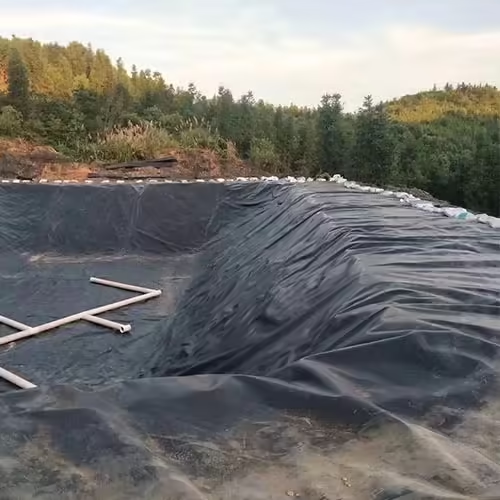
HDPE liner, or high-density polyethylene geomembrane, is a synthetic material known for its high tensile strength, chemical resistance, and flexibility. Its molecular structure allows it to resist punctures, UV degradation, and chemical attacks, making it suitable for exposed and underground applications alike.
Key properties include:
- Thickness ranges from 0.5 mm to 2.5 mm for various applications
- Tensile strength typically between 20 and 37 MPa
- Excellent chemical and biological resistance
- UV-resistant when additives are included
Industry Applications and Case Studies
Water and Wastewater Management
HDPE liners are extensively used in water treatment facilities, reservoirs, and irrigation systems. They prevent leakage, reduce contamination, and ensure efficient water retention.
Case Example: A municipal water reservoir project implemented a 1.5 mm HDPE membrane liner, reducing leakage by over 95% compared to unlined alternatives. The liner also reduced maintenance frequency by 40%, according to a project report published by Water Infrastructure Review 2023.
Landfill and Waste Containment
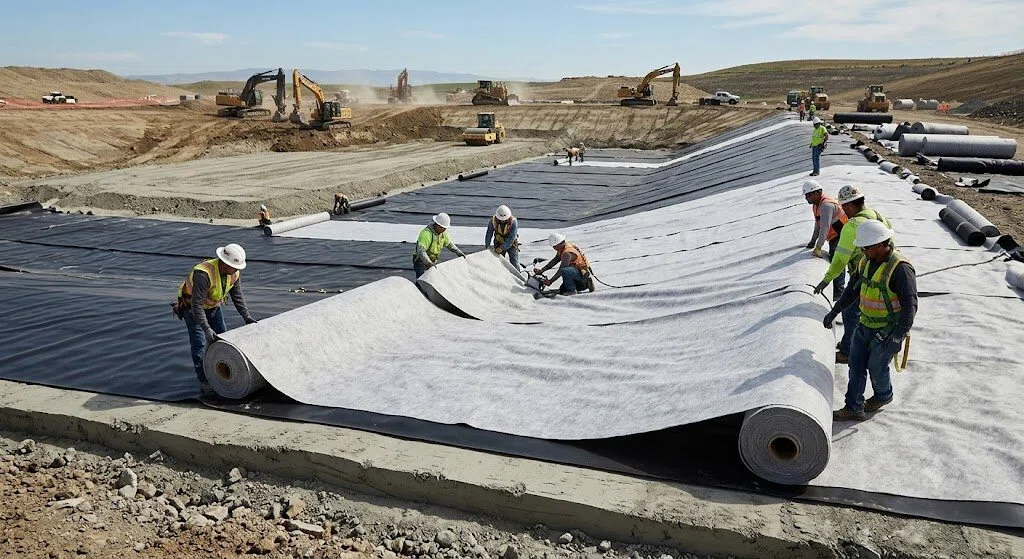
In landfill applications, HDPE liners are critical for leachate management and environmental protection. Their puncture resistance and chemical stability help prevent soil and groundwater contamination.
Case Example: An engineered landfill used a 2 mm HDPE membrane liner in its base and cover system. Performance monitoring over 10 years showed no significant leakage, demonstrating the long-term reliability of HDPE for waste containment.
Agriculture and Aquaculture
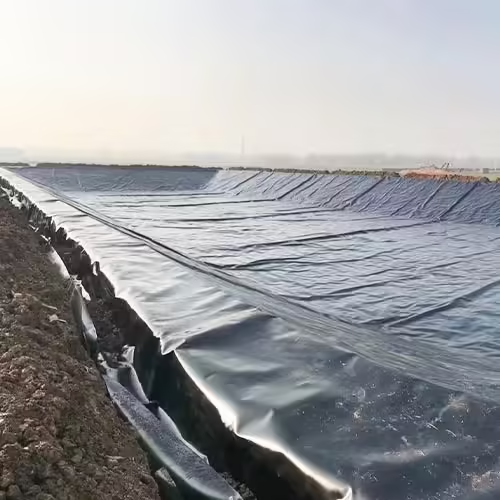
HDPE liners are ideal for fish ponds, irrigation canals, and nutrient retention ponds. They offer leak-proof water storage while resisting degradation from sunlight and fertilizers.
Case Example: An aquaculture farm installed 1 mm HDPE liners in multiple ponds. Water loss decreased by 30%, while algae growth was easier to control due to consistent water levels.
Industrial and Mining Applications
HDPE liners are used for chemical storage tanks, tailings ponds, and industrial containment systems. Their chemical resistance and flexibility provide safety and compliance in harsh industrial environments.
Case Example: A mining project employed 2.5 mm HDPE membrane liners in tailings ponds. Over five years, monitoring indicated no chemical leachate infiltration into the surrounding soil, validating HDPE’s suitability for demanding industrial conditions.
Performance Comparison and Selection Guide
| Property | Typical Range | Recommended Application |
|---|---|---|
| Thickness | 0.5–2.5 mm | Water ponds, aquaculture, landfill cover |
| Tensile Strength | 20–37 MPa | Landfill liner, industrial containment |
| Chemical Resistance | Excellent | Chemical storage, tailings pond |
| UV Resistance | Good with additives | Outdoor exposed lining |
| Lifespan | 20–35 years | All industrial and environmental applications |
Selection Tips:
- Choose thicker liners (≥2 mm) for high-stress landfill or industrial applications.
- Use thinner liners (0.5–1.5 mm) for irrigation, aquaculture, and smaller water retention projects.
- For outdoor projects, ensure UV-resistant additives are included.
- Consider chemical exposure and temperature extremes when selecting the liner type.
Conclusion
HDPE liners are versatile, durable, and essential for water management, waste containment, agriculture, aquaculture, and industrial projects. Selecting the right thickness, UV protection, and chemical resistance ensures optimal performance and long-term reliability.
For tailored advice on HDPE membrane liner selection, project design, or sourcing high-quality materials, contact EcoGeo Material today. Our experts provide personalized solutions to help you achieve efficient, safe, and sustainable project outcomes.
FAQ
What thickness of HDPE liner is recommended for a landfill?
For high-capacity landfill bases, 2 mm or thicker HDPE liners are generally recommended.
Can HDPE liners be used in aquaculture ponds?
Yes, HDPE membrane liners provide leak-proof containment, UV resistance, and durability for aquaculture applications.
How long does an HDPE liner last outdoors?
With UV additives and proper installation, HDPE membrane liners can last 20–35 years.
Are HDPE membrane liners resistant to chemicals?
Yes, HDPE exhibits excellent chemical resistance, making it suitable for industrial and mining applications.
How do I choose between HDPE and other geomembrane materials?
Consider factors like thickness, environmental exposure, chemical resistance, flexibility, and project lifespan when selecting between HDPE and alternatives.