
HDPE Pond Liners: Cost-Effective for Aquatic Projects
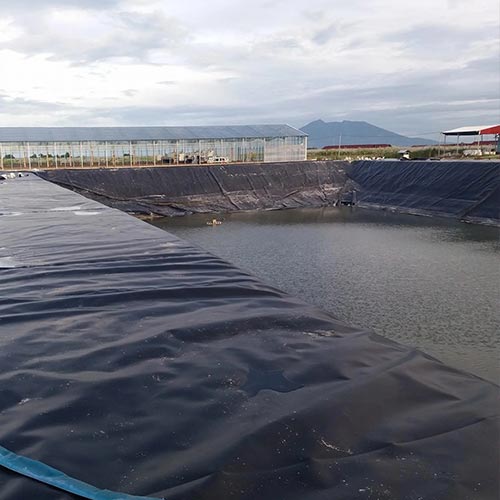
Table of Contents
Introduction
Whether for ornamental ponds, fish farming, or water conservancy projects, pond lining materials play a crucial role in creating and maintaining aquatic environments. High-density polyethylene (HDPE) pond liners rank among the most popular and cost-effective solutions. EcoGeo Material specializes in producing high-quality HDPE pond liners, delivering durability, reliability, and eco-friendly performance for diverse aquatic projects.
In this blog, we’ll delve into the numerous advantages of HDPE pond liners, including their cost-effectiveness, environmental benefits, and long-term performance. Whether you’re constructing a small koi pond or a large aquaculture facility, HDPE liners strike the perfect balance between affordability and efficiency.
Why HDPE Pond Liners Are the Best Choice for Aquatic Projects
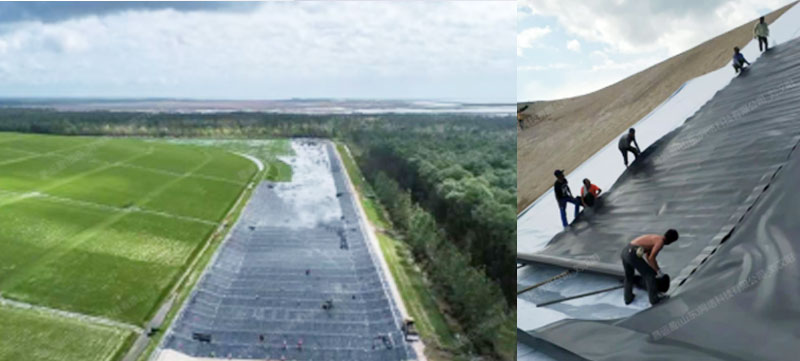
HDPE pond liners have become a go-to solution for aquatic projects because of their unique properties. Made from high-density polyethylene (HDPE), these liners are known for their excellent water resistance, strength, and longevity. The material is not only durable but also highly flexible, making it suitable for a variety of pond shapes and sizes.
For aquatic projects—ranging from commercial fish farming to landscape ponds—using an HDPE liner ensures that the structure will last for years with minimal maintenance. The high-quality material is resistant to UV radiation, chemicals, and even extreme temperatures, offering a protective barrier that prevents water from leaking and helps maintain the stability of the aquatic ecosystem.
The Cost Savings of Using HDPE Pond Liners in Aquatic Projects
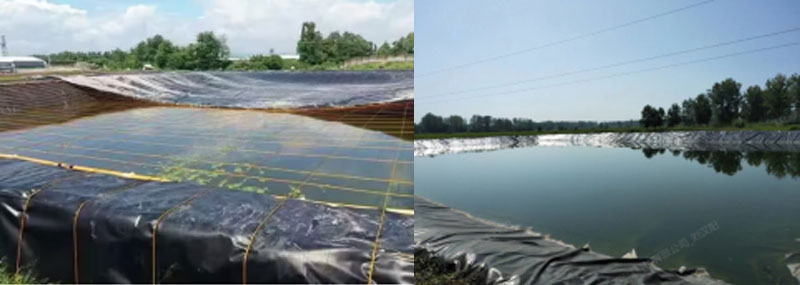
One of the most compelling reasons to choose HDPE liners is their cost-effectiveness. Unlike traditional pond lining materials, such as concrete or clay, HDPE pond liners provide a more affordable solution without sacrificing quality or performance. The upfront cost of HDPE liners might be slightly higher than alternatives, but the long-term savings in maintenance, water conservation, and repair costs make it a wise investment.
Here are some reasons why HDPE pond liners are cost-effective:
- Longevity: HDPE is resistant to wear and tear, meaning it lasts longer than most other pond lining options.
- Easy Installation: Unlike concrete or clay, which can require extensive labor, HDPE liners are easier and quicker to install, reducing installation costs.
- Minimal Maintenance: Once installed, HDPE liners require little maintenance, reducing long-term operational costs.
Environmental Benefits of HDPE Pond Liners
Apart from their cost-effectiveness, HDPE liners are also an environmentally friendly choice for aquatic projects. These liners help maintain the water quality and ecosystem within the pond, which is crucial for fish farms, wildlife ponds, and water conservation areas.
HDPE pond liners:
- Prevent Contamination: By acting as a barrier, HDPE liners prevent soil and pollutants from mixing with the water, keeping the environment clean and healthy for aquatic life.
- Water Conservation: With their superior sealing properties, HDPE liners reduce water evaporation, making them ideal for regions where water conservation is a priority.
- Eco-Friendly: HDPE liners are 100% recyclable, ensuring that they have minimal environmental impact once their life cycle ends.
How to Install HDPE Pond Liners for Maximum Efficiency
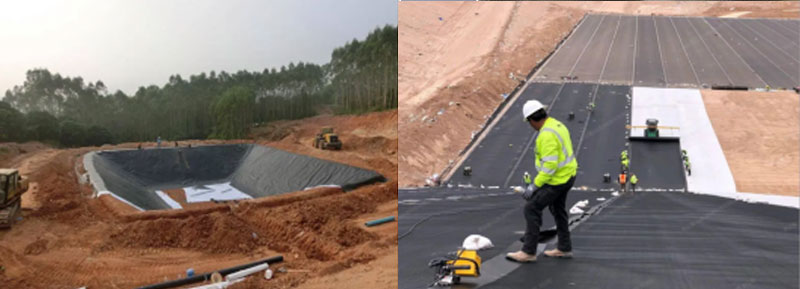
Proper installation is key to ensuring that your HDPE pond liner performs at its best. Here’s a quick guide on how to install HDPE liners effectively:
- Prepare the Site: Clear the area of sharp objects, rocks, and debris that could damage the liner.
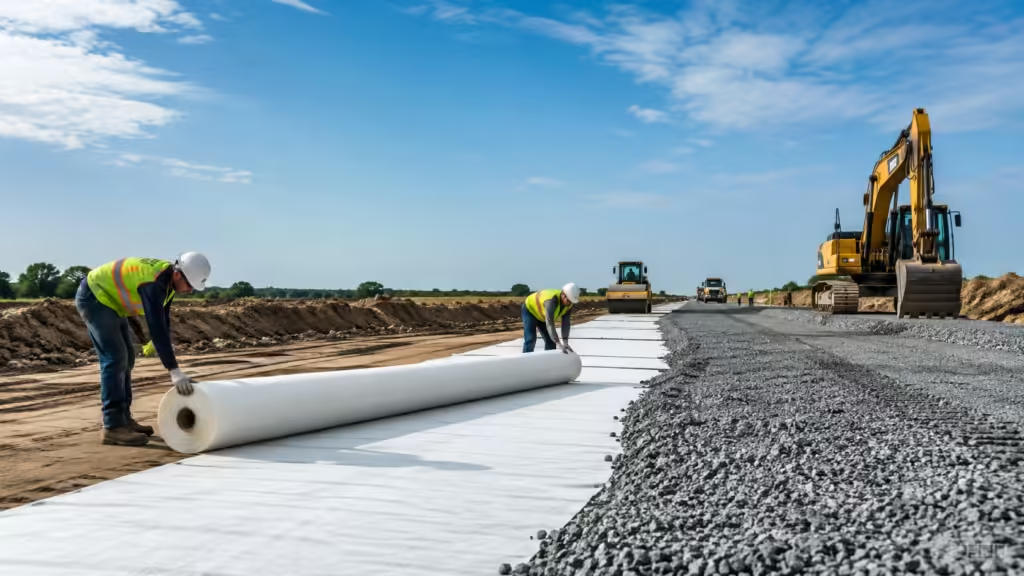
- Lay a Protective Layer: Before laying the liner, it’s a good idea to add a protective underlayment, such as geotextile fabric, to provide extra protection against punctures.
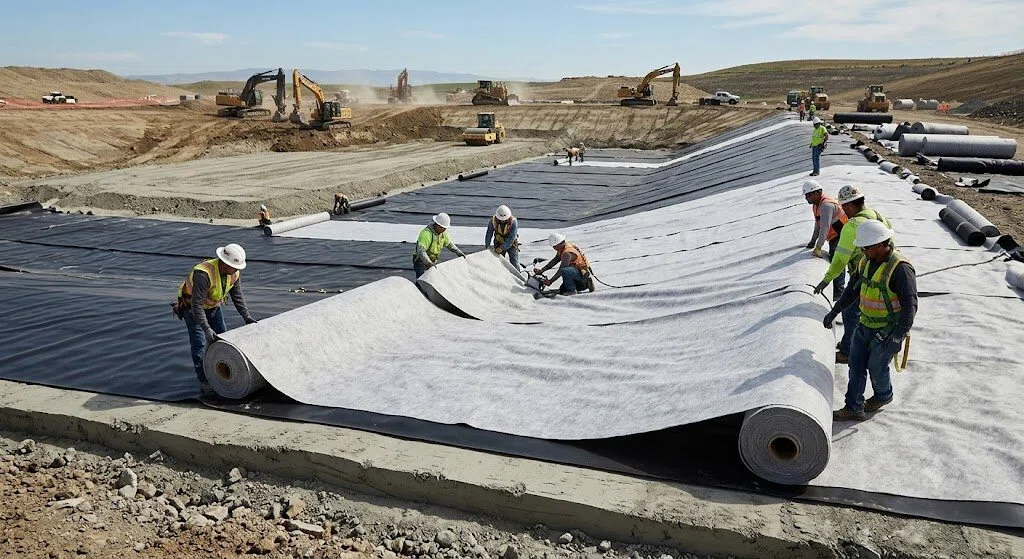
- Unroll and Fit the Liner: Roll out the HDPE liner across the pond area, making sure it fits snugly. Overlap the edges if necessary to ensure proper coverage.
- Secure the Edges: Use anchor pins or weights to secure the edges of the liner to prevent it from shifting.
- Test for Leaks: Once the liner is in place, fill the pond with water and monitor for any leaks. If necessary, patch the liner using a compatible HDPE liner repair kit.
Table: HDPE Pond Liners vs. Traditional Pond Lining Materials
| Feature | HDPE Pond Liners | Concrete | Clay Liners |
|---|---|---|---|
| Durability | Highly durable, UV-resistant | Prone to cracking over time | May erode or crack |
| Installation | Quick and easy | Time-consuming and labor-intensive | Requires precise compaction |
| Cost | Affordable long-term | Expensive upfront cost | Low initial cost, but high long-term maintenance |
| Waterproofing | Excellent waterproofing | Prone to leakage | Can be ineffective if not sealed properly |
| Environmental Impact | 100% recyclable | Non-recyclable | Can degrade over time |
Why HDPE Pond Liners Are Essential for Fish Pond Management
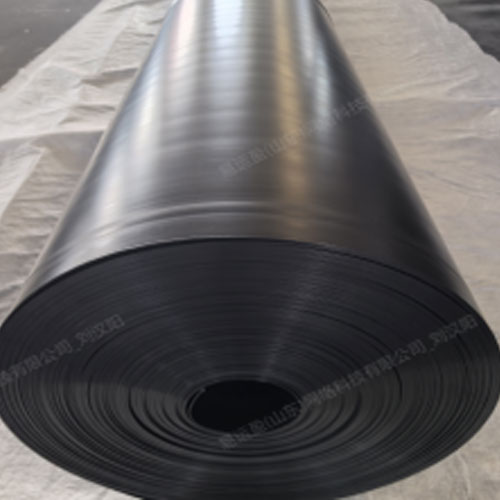
HDPE Geomembrane
1. Excellent flexibility and a high impermeability coefficient;
2. Excellent heat and cold resistance, with a wide operating temperature range (-70°C);
3. Excellent chemical stability, resistance to strong acids and alkalis, and strong corrosion resistance;
4. Strong weather resistance and excellent anti-aging properties;
For fish ponds, the quality of the liner is crucial for maintaining the health of the fish and the stability of the pond’s ecosystem. HDPE liners offer several benefits that are essential for successful fish pond management:
- Maintain Water Quality: The HDPE pond liner acts as a protective barrier that prevents contamination of the water, ensuring a healthy environment for fish.
- Prevent Leaks: Leaks can lead to the loss of valuable water resources and negatively affect fish health. With HDPE liners, you can significantly reduce the risk of leaks.
- Ease of Maintenance: Since HDPE liners are durable and easy to maintain, they allow pond managers to focus on fish care and growth instead of dealing with pond liner issues.
Conclusion
In short, HDPE pond liners offer an economical, durable, and eco-friendly solution for all types of aquatic projects. Whether you’re constructing a small garden pond, managing a fish farm, or undertaking large-scale water projects, HDPE liners deliver unmatched advantages in water retention, environmental protection, and cost savings. EcoGeo Material specializes in providing high-quality HDPE liners tailored to meet the specific needs of your aquatic project. Don’t let leaks or high maintenance costs hold you back—choose HDPE pond liners for your next aquatic project and experience the difference firsthand.
FAQ
What is the lifespan of an HDPE pond liner?
HDPE pond liners can last 20 years or more with proper care and maintenance, making them a long-term investment.
Can I use HDPE pond liners for large ponds?
Yes, HDPE liners are highly versatile and can be used for both small and large aquatic projects.
Do HDPE liners require maintenance?
HDPE pond liners are low-maintenance. Regular checks for tears or punctures and cleaning the surface are usually sufficient.
How do I know which thickness of HDPE liner I need?
The thickness of the liner depends on the size of the pond, the type of aquatic life, and the local climate. Thicker liners are recommended for larger ponds or areas with harsher weather conditions.