
HDPE vs Polypropylene: Which Material Is Stronger?
Table of Contents
Introduction
HDPE vs polypropylene are among the most widely used thermoplastics globally. They are known for their versatility, chemical resistance, and durability. HDPE (high-density polyethylene) is favored for applications requiring toughness and impact resistance, while polypropylene (PP) is often chosen for rigidity and high-temperature stability.
Choosing between these two materials requires evaluating factors such as impact strength, tensile properties, stress-crack resistance, and environmental conditions. This article provides a comprehensive analysis of HDPE vs polypropylene to help you make informed decisions.
Chemical Structure Differences That Affect Strength
Molecular Structure of HDPE
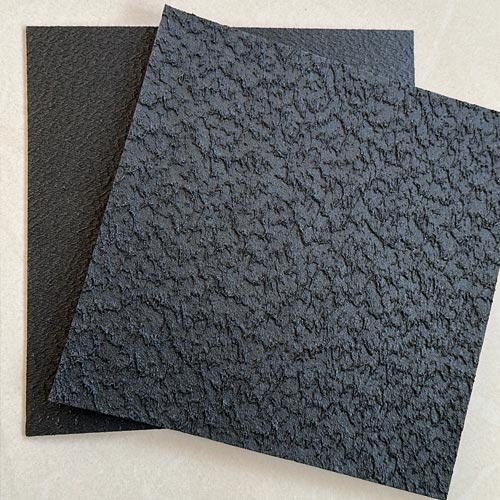
HDPE features tightly packed, linear polymer chains. This dense arrangement creates strong intermolecular forces, giving the material superior tensile strength and excellent impact resistance.
Molecular Structure of Polypropylene
Polypropylene has a semi-crystalline structure with methyl side groups. These groups enhance rigidity and thermal performance but can reduce impact resistance compared to HDPE.
How Structure Influences Real-World Performance
In practical applications, HDPE vs Polypropylene performance varies based on molecular structure. HDPE absorbs impact energy effectively and resists deformation, while polypropylene provides rigidity but may fail under heavy dynamic loads.
Strength Comparison of HDPE vs Polypropylene
Tensile Strength
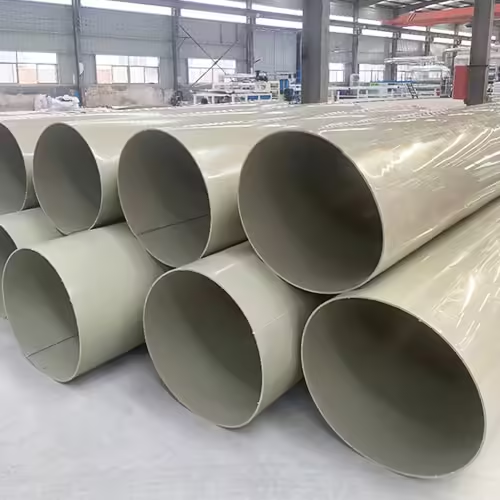
HDPE offers moderate to high tensile strength with excellent elongation at break. PP exhibits higher stiffness but may fracture under sudden stress.
Impact Resistance
HDPE is superior in impact resistance, making it ideal for liners, piping, and containers that undergo heavy load or shock. Polypropylene is less impact-resistant, especially at low temperatures.
Flexural and Stress-Crack Resistance
HDPE shows excellent stress-crack resistance under long-term load conditions. Polypropylene is rigid but may crack when repeatedly stressed.
Comparison Table
| Property | HDPE | Polypropylene |
|---|---|---|
| Tensile Strength | Moderate–High | High |
| Impact Resistance | Very High | Low–Moderate |
| Flexural Modulus | Moderate | High |
| Stress–Crack Resistance | Excellent | Limited |
| Temperature Resistance | Moderate | Higher than HDPE |
| Outdoor Durability | Excellent | Needs stabilization |
| Brittleness at Low Temp | No | Yes |
Durability Performance in Different Environments
UV Resistance
HDPE naturally resists UV degradation, maintaining strength and flexibility in outdoor applications. Polypropylene can become brittle under sunlight without stabilizers. Comparing HDPE vs Polypropylene is key for long-term outdoor durability.
Chemical Resistance
Both HDPE and polypropylene resist most chemicals, but HDPE handles solvents and stress cracking better. HDPE vs Polypropylene comparison ensures the right choice for chemical tanks, piping, and liners.
Temperature Tolerance
HDPE performs well in cold environments without becoming brittle, while polypropylene tolerates higher temperatures but may crack in freezing conditions. Understanding HDPE vs Polypropylene helps select the best material for temperature-sensitive applications.
Abrasion and Wear
HDPE offers superior abrasion resistance, suitable for liners, wear plates, and chutes. Polypropylene is stiffer but wears faster under friction. Evaluating HDPE vs Polypropylene ensures optimal performance under mechanical stress.
Applications of HDPE vs Polypropylene
Outdoor Engineering
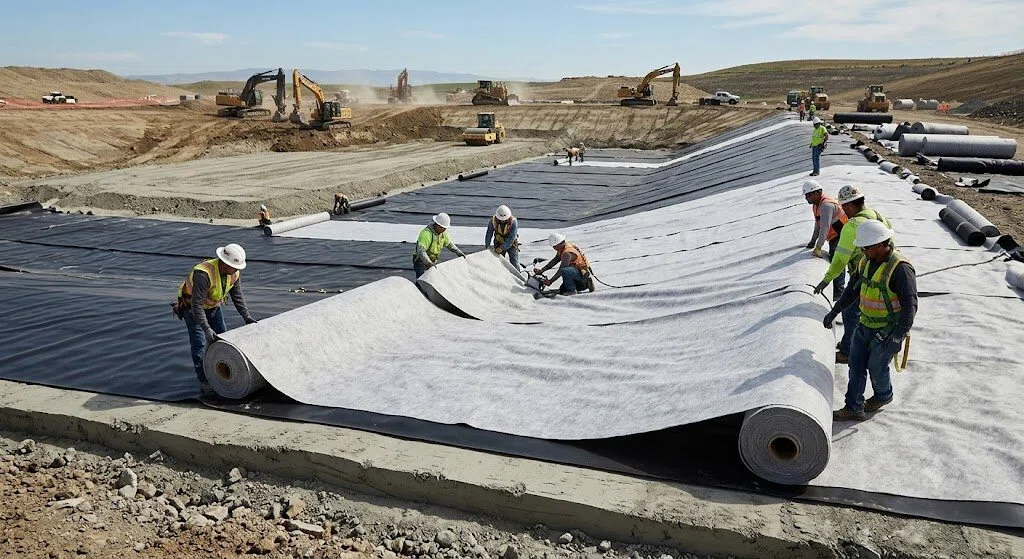
HDPE is ideal for geomembranes, drainage systems, and slope protection due to toughness, flexibility, and UV resistance. Polypropylene may require UV stabilizers for long-term outdoor use. Comparing HDPE vs Polypropylene helps choose the right material for environmental exposure and mechanical stress.
Industrial Containers and Tanks
HDPE provides excellent impact resistance for heavy-duty containers and chemical tanks. Polypropylene offers rigidity and high-temperature performance. Evaluating HDPE vs Polypropylene ensures durability and safety for industrial storage and handling applications.
Consumer Goods and Packaging
Polypropylene excels in rigid packaging, caps, and molded components needing stiffness and thermal stability. HDPE is preferred for bottles and flexible containers. Understanding HDPE vs Polypropylene allows designers to balance durability, usability, and product safety.
When Strength Matters Most
HDPE is often the stronger choice for impact-prone, high-wear, or outdoor applications. Polypropylene is chosen where rigidity and heat resistance are critical. Considering HDPE vs Polypropylene ensures optimal material selection for reliable, long-lasting performance.
Cost vs Performance: Evaluating HDPE vs Polypropylene
While costs are often comparable, performance and lifecycle value differ:
- HDPE offers long-term durability and impact resistance
- PP excels in high-temperature and rigid applications
- HDPE requires less reinforcement under load
- PP is cost-effective for lightweight, form-stable applications
Selecting the right material involves balancing mechanical performance, environmental exposure, and project requirements.
How to Choose Between HDPE vs Polypropylene
Key Selection Factors
- Tensile strength and impact requirements
- Temperature exposure
- Chemical compatibility
- Rigidity vs flexibility needs
- Outdoor aging performance
Selection Checklist
- Impact or dynamic load? → HDPE
- Rigidity required? → PP
- Cold environment? → HDPE
- High-temperature environment? → PP
Use-Case Examples
- Structural liners → HDPE
- Hot-fill containers → PP
- Flexible components → HDPE
- Precision molded rigid parts → PP
Expert Insights: Common Mistakes
Assuming HDPE and PP behave identically
Overestimating PP rigidity
Ignoring stress-crack resistance
Using PP in low temperatures
Conclusion
In the HDPE vs Polypropylene comparison, both materials offer unique advantages. HDPE stands out for toughness, impact resistance, and outdoor durability, while polypropylene is ideal for rigid, high-temperature applications. Understanding your project’s specific requirements ensures optimal material selection.
For guidance on material selection, technical support, or customized solutions, contact EcoGeo Material today to get expert advice and recommendations.
FAQ
Is HDPE stronger than polypropylene?
HDPE generally excels in impact resistance and stress-crack performance, while PP is stiffer and tolerates higher temperatures.
Which is better for outdoor use, HDPE or polypropylene?
HDPE is preferred due to superior UV and weather resistance.
Which material is more chemically resistant?
Both resist chemicals well, but HDPE handles stress-cracking under solvents better.
Can polypropylene replace HDPE in heavy-duty applications?
Usually no; PP may fail under impact or cold stress where HDPE performs reliably.