
Geogrid Technology Leads Construction Innovation with High-Performance Plastics
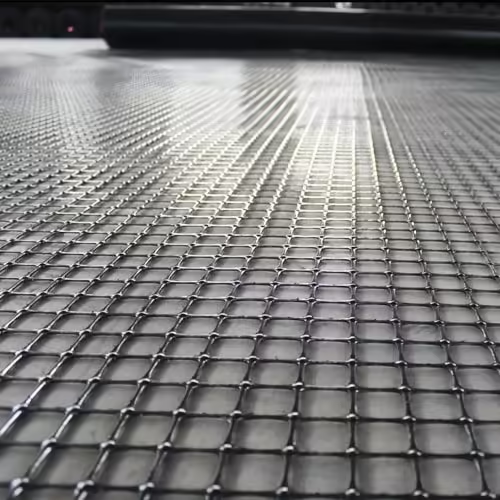
Plastic Geogrid has become an essential material in modern construction due to its impressive properties. Known for its high tensile strength and optimized geometry, it is widely used across various infrastructure projects. From stabilizing roads to reinforcing railway foundations, this material plays a vital role in enhancing durability and cost-efficiency. Its unique design aids in stabilizing the soil, lowering maintenance costs, and extending the lifespan of infrastructure.
Table of Contents
What is Plastic Geogrid?

This high-performance reinforcement material is made from polymers such as PP (Polypropylene), PE (Polyethylene), HDPE (High-Density Polyethylene), and PET (Polyethylene Terephthalate). The material is designed with square apertures that optimize the interlocking mechanism between the material and the surrounding soil. This structure provides remarkable tensile strength, allowing it to offer excellent reinforcement for various civil engineering applications.
In addition to its strength, this material is known for its high durability, ensuring long-term performance under harsh environmental conditions. This makes it an ideal solution for infrastructure projects that require robust and reliable soil stabilization. The geometry of the nodes and ribs further enhances its performance, allowing it to match or even exceed the capabilities of other materials in similar applications.
How Does Plastic Geogrid Work?
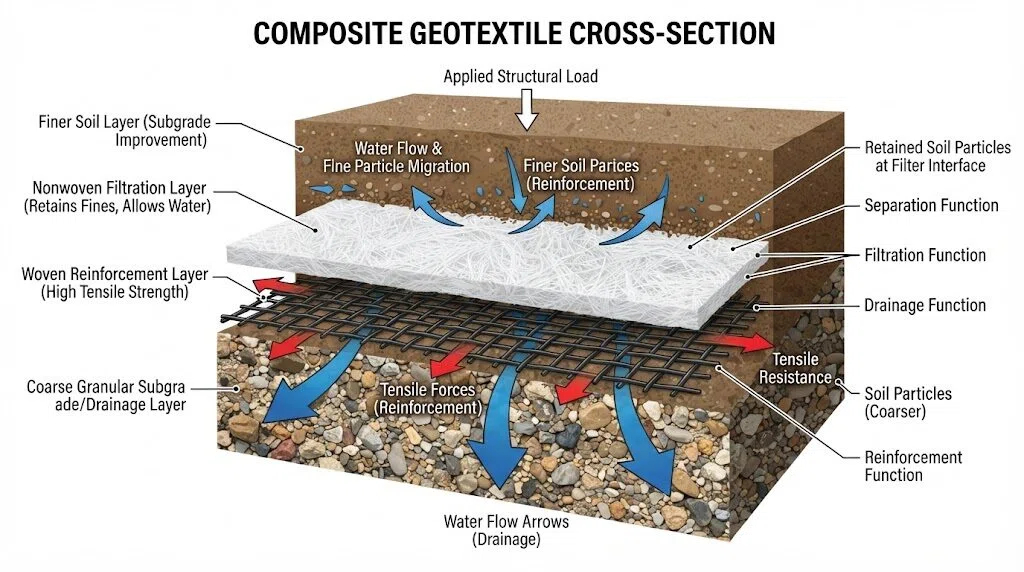
This material works primarily by interlocking with the soil, effectively increasing the shear resistance of the soil structure. The square ribs engage with the soil particles, creating a mechanical bond that helps distribute the load more evenly. This interlocking effect allows the material to confine the soil and resist lateral movement, making the soil more stable and capable of supporting heavier loads.
Another key feature of this material is its load distribution mechanism. By spreading the load across a larger area, it reduces the need for thicker sub-base layers, which in turn lowers construction costs. This makes it a cost-effective solution for enhancing the strength and stability of infrastructure projects, while also reducing the amount of material required for the construction process.
Applications of Plastic Geogrid in Construction
This material is widely used in various infrastructure projects due to its versatility and efficiency in soil reinforcement. Here are some of the primary applications in construction:
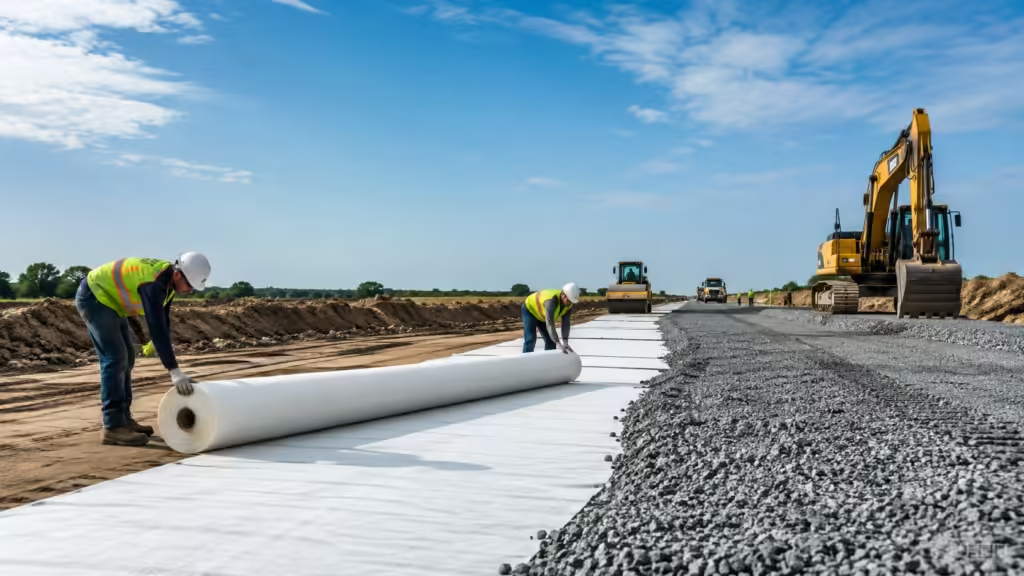
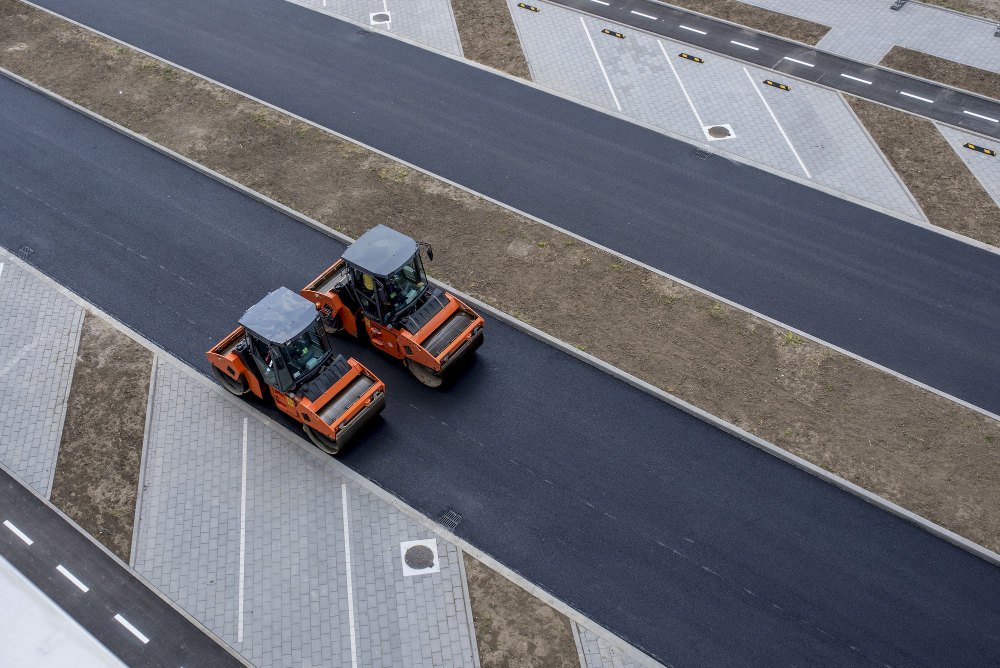
- Road Construction: Plastic Geogrid is used to reinforce roadbeds and reduce rutting and cracking in pavement structures. It enhances the stability of the road foundation, leading to longer-lasting and safer roads. Plastic Geogrid is also essential in the rehabilitation of old roads and soft soil treatment, improving the overall stability of the road structure.
- Railway Construction: In railway projects, Plastic Geogrid improves the bearing capacity of trackbeds, preventing settlement and ensuring a stable foundation for heavy trains. Its interlocking mechanism helps maintain the integrity of the tracks and reduces the need for frequent repairs.
- Water Conservancy Projects: Plastic Geogrid plays an important role in water conservancy projects such as dams and channels. It is used for slope protection to prevent soil erosion, providing a durable and cost-effective solution for maintaining the integrity of the embankments.
- Airport Runways: In airport construction, Plastic Geogrid is used to improve the foundation of runways, making them more resilient to the repeated impact of aircraft takeoffs and landings. This reinforcement ensures the runway remains intact over time, reducing maintenance costs and improving safety.



Other Applications of Plastic Geogrid
Beyond its common uses in road, rail, and waterway construction, this material also has applications in various other areas of civil engineering:
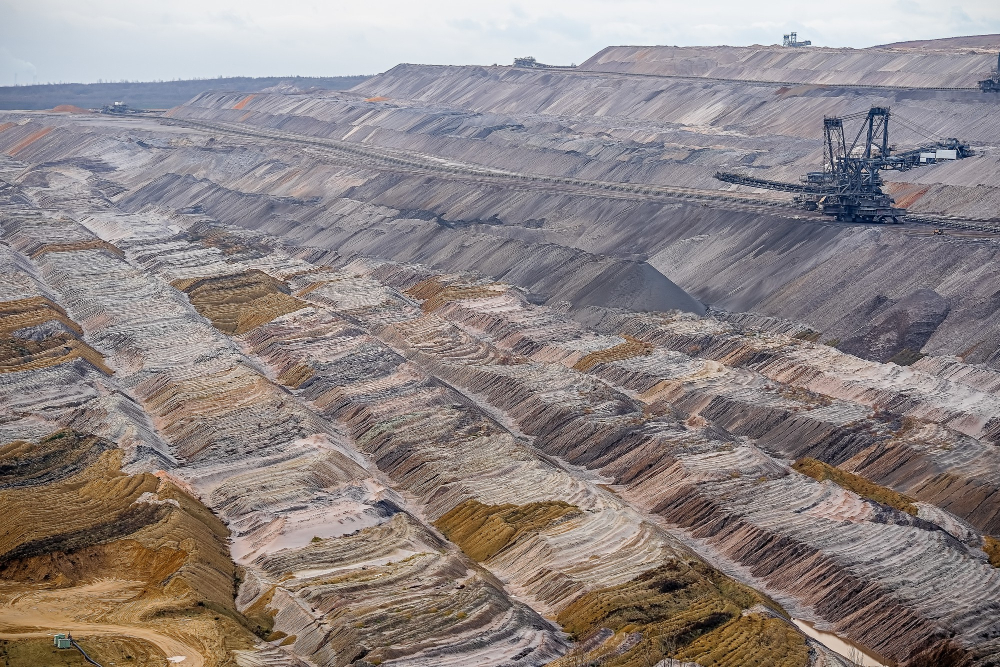
- Mining Reclamation: Plastic Geogrid is used in the reclamation of mining sites to stabilize soil and prevent erosion. It provides a strong and durable solution for restoring land that has been disturbed by mining activities.
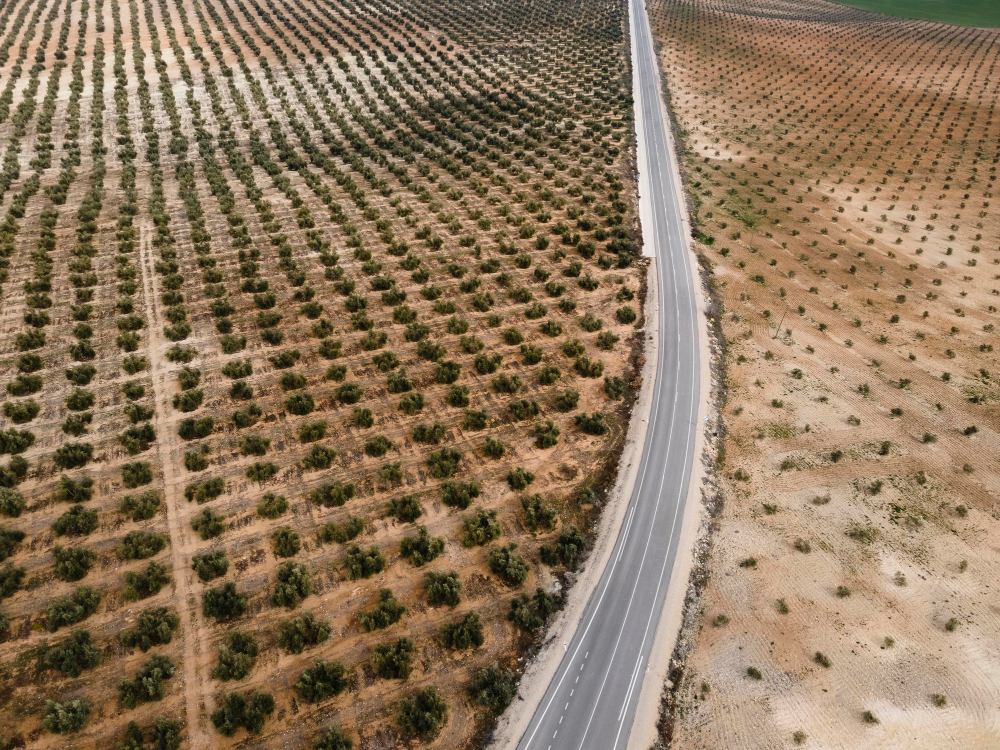
- Sand Control: In areas prone to sand movement, such as deserts or coastal regions, Plastic Geogrid is used to control the spread of sand and stabilize the surface. This helps prevent damage to infrastructure and provides long-term protection against environmental factors.
- Stadium Foundation: Large sports venues and stadiums require solid foundations to support heavy structures. Plastic Geogrid is used in the construction of these foundations to ensure the ground remains stable and secure.

Advantages of Plastic Geogrid
This material offers a range of benefits that make it an ideal choice for construction projects:
- Durability: Plastic Geogrid is highly durable and can withstand harsh environmental conditions, including extreme temperatures and heavy rainfall. This durability ensures the longevity of the infrastructure it reinforces.
- Cost Efficiency: By reducing the need for thicker sub-base layers and minimizing material costs, Plastic Geogrid helps lower overall construction expenses. This makes it a highly cost-effective solution for large-scale infrastructure projects.
- Long-Term Performance: The high tensile strength and optimized design of Plastic Geogrid ensure that it performs effectively over time. It improves the stability of soil and reduces the risk of future degradation, extending the lifespan of the infrastructure it supports.
Conclusion
This powerful material plays a crucial role in modern infrastructure projects. From road stabilization to railway foundation reinforcement, its versatility, durability, and cost-effectiveness make it a preferred choice for engineers and construction professionals worldwide. By providing enhanced soil stability and load distribution, it helps to reduce construction costs, increase the lifespan of infrastructure, and improve overall project performance. Embracing the benefits of this material can significantly enhance the quality and sustainability of construction projects in the long run.