
Industrial Wastewater Pond Liner: HDPE Geomembranes for Chemical Resistance and Durability
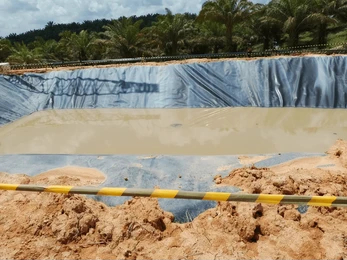
Table of Contents
Effective wastewater management is essential for industries dealing with industrial effluents, chemical processes, or agricultural waste. Industrial wastewater pond liner systems play a crucial role in containing and protecting the environment from harmful wastewater. The right geomembrane liner for wastewater ensures that chemicals, oils, and other pollutants are effectively contained, preventing leakage into surrounding soil and groundwater.
This article will explore the importance of using geomembrane liners for wastewater in industrial wastewater ponds. We’ll also focus on the chemical resistance, service life, and anchorage trench design for industrial wastewater pond liner. By understanding these elements, businesses can improve the efficiency, longevity, and environmental protection provided by their wastewater containment systems.
What is an Industrial Wastewater Pond Liner?
An industrial wastewater pond liner is a barrier installed within wastewater ponds to prevent the contamination of soil and water by pollutants. These liners are essential for industries such as mining, petrochemical, food processing, and wastewater treatment, where wastewater often contains hazardous substances.
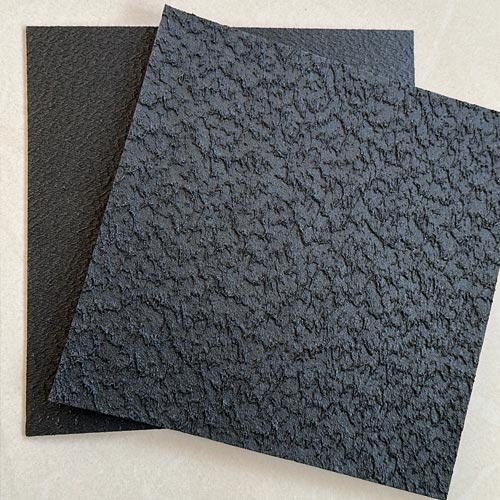
The material used for the liner must be durable, resistant to various chemicals, and capable of withstanding environmental stresses. Geomembranes, particularly HDPE geomembranes, are among the most widely used materials for these applications due to their robustness and longevity.
Why Choose Geomembrane Liner for Wastewater?
Geomembranes are synthetic materials designed to provide a high-quality impermeable barrier for various containment purposes, including wastewater pond lining. Among geomembrane options, HDPE geomembranes are particularly favored for their exceptional chemical resistance, durability, and long service life. Here are the key reasons why geomembrane liners for wastewater are the preferred choice for industrial wastewater containment:
1.Chemical Resistance of HDPE Geomembranes
One of the most significant benefits of HDPE geomembranes in wastewater containment is their resistance to chemical corrosion. These liners are capable of withstanding exposure to a wide range of chemicals commonly found in industrial wastewater, including acids, oils, and solvents.
- Acid and Alkali Resistance: HDPE geomembranes offer excellent protection against acidic and alkaline substances, preventing corrosion and potential leaks in wastewater ponds.
- Hydrocarbon Resistance: They also provide protection against oils and hydrocarbons, which are frequently encountered in industrial wastewater. This ensures the integrity of the liner and prevents contamination.
The geomembrane liner for wastewater guarantees that these harmful substances do not seep into the environment, safeguarding the surrounding soil and groundwater.
2.Longevity of Geomembrane Liners
The service life of a geomembrane liner for wastewater is crucial to the cost-effectiveness of the system. HDPE geomembranes typically have a lifespan of 20 to 30 years when properly installed and maintained, making them a reliable long-term solution for industrial wastewater containment.
- UV Resistance: While UV exposure can degrade the material over time, HDPE geomembranes are often treated with UV stabilizers to improve their resistance to sunlight, ensuring their durability.
- Mechanical Durability: HDPE is also highly resistant to physical stress, including punctures, tears, and abrasions, ensuring the liner’s integrity over time.
Regular inspections and maintenance can further extend the lifespan of the industrial wastewater pond liner, making it a highly cost-effective option in the long run.
Wastewater Pond Anchorage Trench Design
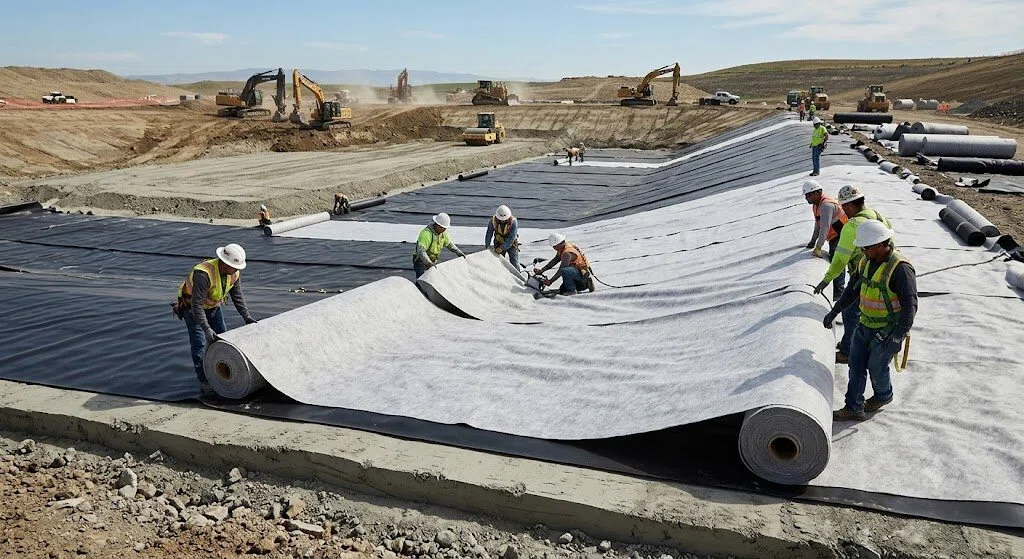
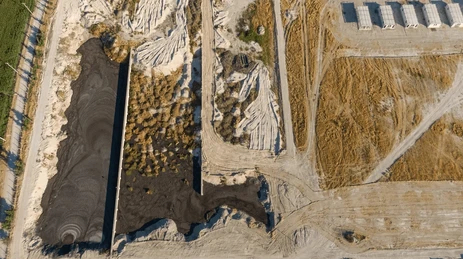
The anchorage trench is a critical part of the design and installation of an industrial wastewater pond liner. This trench secures the geomembrane in place, preventing it from being displaced by external forces such as water pressure, wind, or physical interference.
Why Anchorage Trench Design is Important
An improperly designed anchorage trench can lead to various issues, including:
- Displacement of the Liner: Without proper anchorage, the geomembrane can shift, creating gaps where wastewater can leak.
- Excessive Stress on the Liner: Poorly designed trenches can place too much stress on the liner, increasing the risk of tears or punctures.
- Reduced Efficiency: An inadequate anchorage system may undermine the effectiveness of the entire wastewater containment system.
To prevent these issues, it is essential to design an anchorage trench that secures the geomembrane firmly and can withstand the external forces applied to it.
Key Considerations for Anchorage Trench Design
1.Trench Depth and Width: The trench should be deep enough to securely anchor the geomembrane while ensuring it does not shift or get displaced.
2.Reinforcement: In areas where there are high-water pressures or extreme conditions, additional reinforcement may be necessary to support the liner.
3.Smooth Edges: The edges of the trench should be smooth to avoid damaging the geomembrane and to facilitate a proper seal.
By ensuring the anchorage trench design is robust, you can significantly extend the lifespan of the geomembrane liner for wastewater and enhance the overall performance of the containment system.
Factors Influencing the Service Life of Wastewater Pond Membranes
Several factors can influence the service life of an industrial wastewater pond liner, including environmental conditions, chemical exposure, and mechanical stress. Understanding these factors is essential for maintaining the integrity of the liner.
Key Factors Impacting Membrane Longevity
1.Chemical Exposure: The type and concentration of chemicals in the wastewater play a major role in determining the lifespan of the liner. More aggressive chemicals may degrade the membrane faster, which is why HDPE geomembranes are specifically chosen for their chemical resistance.
2.Temperature Fluctuations: Extreme temperature changes can cause the geomembrane to expand and contract, increasing the risk of damage. Proper design and material choice can minimize this risk.
3.UV Degradation: Prolonged exposure to UV light can weaken the membrane. Choosing UV-resistant geomembranes or applying protective coatings can help mitigate this issue.
To maximize the lifespan of the wastewater pond impermeable membrane, regular inspection and maintenance are key, especially in areas exposed to harsh chemicals or extreme temperatures.
Conclusion
In conclusion, industrial wastewater pond liner play a vital role in protecting the environment from hazardous chemicals and pollutants. By utilizing high-quality geomembrane liners for wastewater, industries can ensure the integrity and longevity of their containment systems. Proper anchorage trench design, combined with regular maintenance, will ensure that the geomembrane functions effectively for years to come.
By focusing on chemical resistance, service life, and wastewater containment best practices, industries can reduce environmental risks and comply with regulatory standards. HDPE geomembranes are a reliable and cost-effective solution for long-term wastewater management, offering both environmental protection and operational efficiency.
For more industrial wastewater pond protection solutions, please click here.