
Landfill Gas Collection System: The Role of Geomembrane in Efficient Gas Containment

Table of Contents
Introduction: The Need for Landfill Gas Collection Systems
Landfills are significant sources of methane, a greenhouse gas with 25 times the warming potential of CO₂. Effective Landfill Gas Collection Systems capture methane and other gases from decomposing waste, preventing environmental pollution. According to the EPA, landfills must operate gas collection and control systems to reduce greenhouse gas emissions and improve gas recovery efficiency.
What is a Geomembrane?
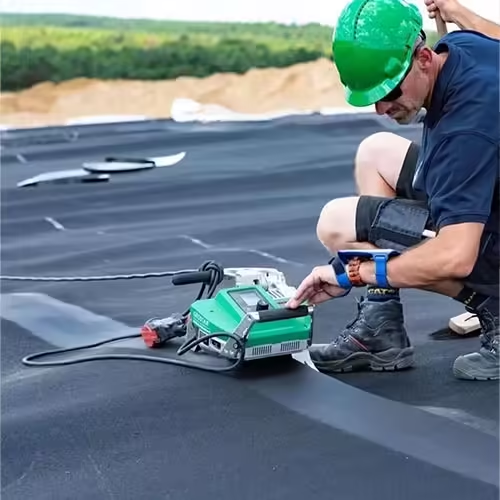
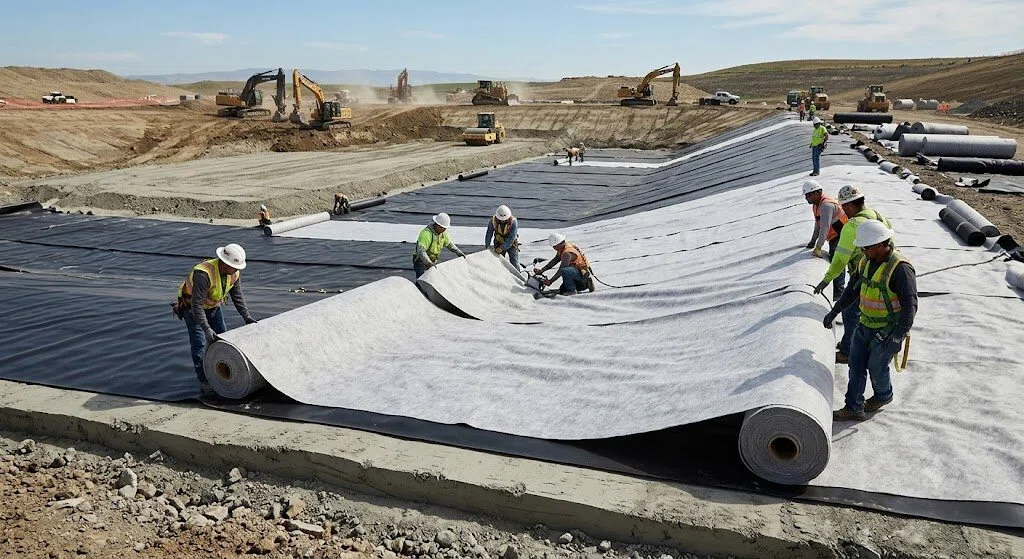
A Geomembrane is a synthetic liner used to block gas and liquid migration. Typically made from HDPE or LLDPE, geomembranes provide an impermeable barrier essential for landfill gas containment. The New York State DEC highlights geomembranes as key components in landfill liner and cover systems, preventing gas escape and protecting soil and groundwater (NYSDEC, 2026).
How Geomembranes Work in Landfill Gas Collection Systems
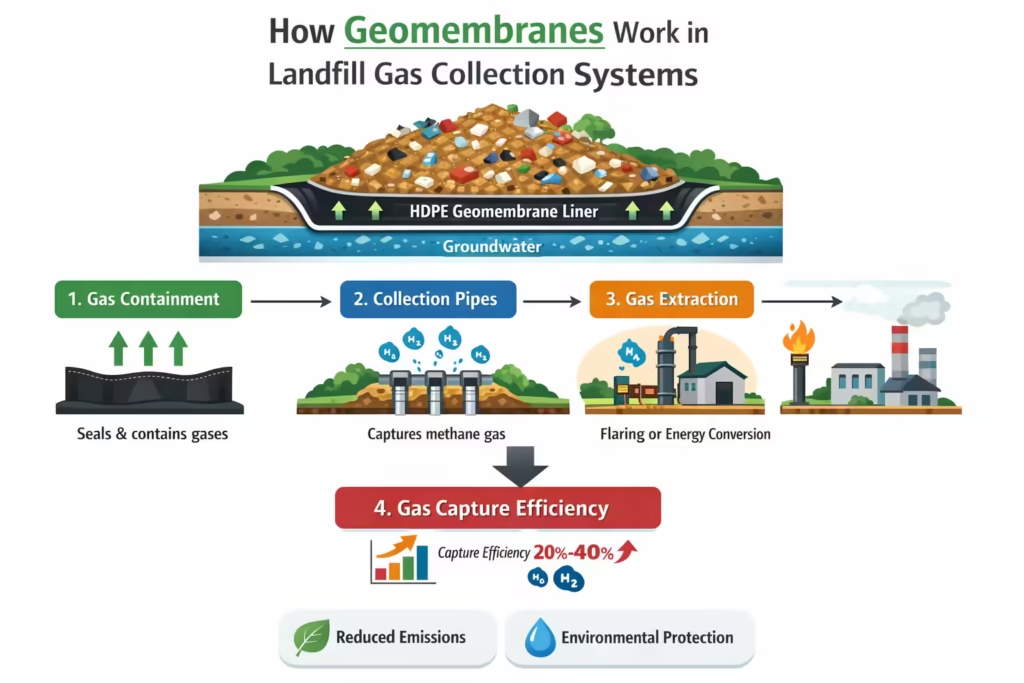
In landfill gas collection systems, geomembranes are installed along the base and sides of the landfill. They seal the landfill, forcing methane and other gases to flow through collection pipes. This captured gas can then be flared or converted into energy, reducing greenhouse gas emissions. The EPA confirms that geomembrane-lined systems significantly improve landfill gas capture efficiency (EPA, 2015).
Types of Geomembranes for Landfill Gas Containment
When it comes to landfill gas collection, not all geomembranes are created equal. Various types of geomembranes are used depending on the specific needs of the landfill:
- HDPE (High-Density Polyethylene): Known for its superior chemical resistance and durability, HDPE geomembranes are commonly used in gas collection systems due to their ability to resist degradation caused by landfill gases.
- LLDPE (Linear Low-Density Polyethylene): LLDPE geomembranes are more flexible and can be more suitable for uneven landfill surfaces.
- PVC (Polyvinyl Chloride): While not as common as HDPE, PVC geomembranes are sometimes used where flexibility is needed, though their chemical resistance is not as high as HDPE.
A study published on PubMed shows that landfill systems with HDPE geomembrane liners improved gas collection efficiency by ~25% compared to non-liner systems (PubMed, 2011).
Advantages of Using Geomembranes in Landfill Gas Collection Systems
There are several key advantages to using geomembranes in landfill gas collection systems:
1.Prevention of Gas Leaks: Geomembranes offer an impermeable barrier that prevents the release of methane and other gases into the atmosphere, which is critical for reducing the environmental impact of landfills.
2.Improved Gas Recovery Efficiency: The sealing effect of geomembranes enhances the efficiency of gas recovery systems, enabling higher methane capture rates and reducing the need for constant system maintenance.
3.Cost-Effectiveness: Although initial installation costs can be high, geomembranes reduce long-term costs by preventing gas leakage and minimizing the need for repairs or replacements of gas collection infrastructure.
4.Environmental Protection: By containing harmful gases, geomembranes prevent contamination of surrounding soil and groundwater, safeguarding public health and the environment.
Case Studies: Geomembranes in Action
One notable case of geomembrane use in a landfill gas collection system comes from the Lyon County Landfill in Nevada, USA. The landfill has implemented a geomembrane liner system that successfully captures over 95% of the landfill gas produced, making it one of the most effective systems in the region. The captured methane is converted into energy, powering nearby facilities and reducing reliance on fossil fuels.
Another example is the Wellington Landfill in New Zealand, where a geomembrane cover was installed to reduce methane emissions by more than 80%, showcasing the global application and effectiveness of this technology.
Choosing the Right Geomembrane for Gas Collection Systems
When selecting a geomembrane for landfill gas containment, several factors must be considered, including:
- Gas Permeability: The geomembrane must be impermeable to the gases produced by the landfill.
- Chemical Resistance: The material must withstand exposure to various landfill gases and chemicals without degrading over time.
- Durability: A long lifespan is essential to ensure the continued effectiveness of the gas collection system.
Conclusion
As landfill management evolves, geomembranes remain central to landfill gas collection systems. With new materials and improved installation techniques, geomembranes enhance gas capture efficiency, protect the environment, and support sustainable waste management worldwide.
For businesses or landfill operators looking to maximize gas recovery and ensure environmental compliance, consulting with a landfill gas management expert is essential. Contact our specialists today to explore tailored geomembrane solutions that optimize your landfill gas collection system and deliver measurable results.
Common Questions About Geomembrane and Landfill Gas Collection
How do geomembranes prevent gas leakage?
Geomembranes create an impermeable barrier, ensuring methane flows through the collection system instead of escaping (EPA, 2015).
What geomembrane types are most effective?
HDPE geomembranes are preferred for chemical resistance, durability, and long lifespan.
Can geomembranes be used elsewhere?
Yes, they are also used in water containment, mining, and agricultural waste management (NYSDEC, 2026).
How long do geomembranes last?
With proper installation, up to 30 years.
What environmental benefits do geomembranes provide?
They reduce methane emissions, protect soil and groundwater, and enable gas-to-energy conversion (Jinseed Geosynthetics, 2026).