
Benefits and Guide to Choosing a Large Plastic Cutting Board
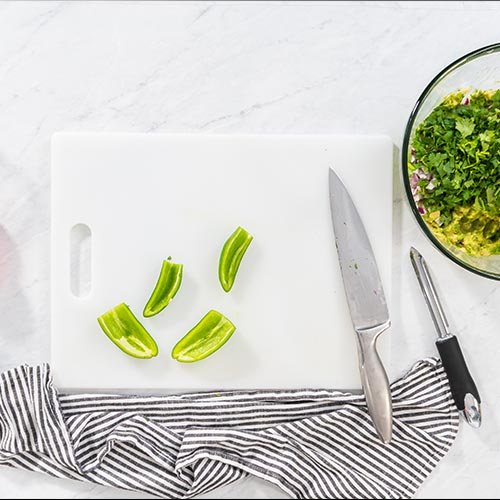
Table of Contents
Introduction
A large plastic cutting board is an essential tool for both home kitchens and professional cooking environments. Unlike smaller boards, large boards provide ample workspace for chopping, slicing, and prepping multiple ingredients at once. This extra space not only improves efficiency but also helps maintain cleanliness by keeping different food items separated.
Large plastic cutting boards are designed to balance durability, hygiene, and ease of use. They are especially useful for families, caterers, and restaurants that handle large volumes of food daily. In this guide, we’ll dive into the features, benefits, types, maintenance tips, comparisons, and FAQs to help you choose the right cutting board for your needs.
What is a Large Plastic Cutting Board?
Material Composition
Most large plastic cutting boards are made from high-density polyethylene (HDPE) or polypropylene (PP), both of which are food-safe and resistant to wear. HDPE boards are particularly popular in commercial kitchens because they can withstand heavy chopping and are highly durable, while PP boards are lighter and ideal for home kitchens.
Size and Thickness
Large boards typically range from 12×18 inches up to 24×36 inches or more. Thickness varies between 0.4 and 1 inch. A thicker board ensures stability when cutting heavy ingredients such as melons or large cuts of meat. This stability prevents slipping and reduces the risk of accidents during food prep.
Surface Texture
The texture of a large plastic cutting board is carefully designed. Smooth surfaces make cleaning easy, while slightly textured surfaces prevent knives from slipping, giving better control during chopping or slicing. Some boards also feature juice grooves to catch liquids from fruits or meats, keeping countertops clean.
Edges and Grip
Non-slip edges or rubberized feet are common features in high-quality boards. These elements anchor the board firmly to the counter, reducing movement even during vigorous cutting or chopping. Some boards also include handles for easy carrying, making them versatile for prep and serving.
Durability
A well-made plastic cutting board resists deep knife grooves, warping, and cracking. This durability ensures a long-lasting surface, making it a cost-effective choice over time. Durable boards also help protect knives from unnecessary dulling caused by uneven surfaces.
Key Features and Benefits
Durability and Strength
Large plastic cutting boards are built to withstand heavy daily use. Commercial kitchens often process hundreds of pounds of food weekly, and a durable board can handle repeated chopping without cracking or warping. This durability makes plastic boards particularly appealing for professional chefs and caterers who need reliability in high-volume settings.
Hygienic Surface
Plastic cutting boards are non-porous, which means they don’t absorb liquids, odors, or bacteria. This feature makes them easier to sanitize than wooden boards, reducing the risk of cross-contamination. Regular cleaning with hot water or a mild bleach solution ensures that the board remains safe for raw meats, seafood, and vegetables alike.
Non-Slip Design
Preventing slips and accidents in the kitchen is critical. Many large plastic boards include rubberized edges or silicone feet, which stabilize the board even on smooth countertops. Some boards also feature built-in juice grooves that prevent liquids from spilling over, keeping the work area safer and cleaner.
Easy Cleaning
Plastic boards are dishwasher safe, stain-resistant, and simple to sanitize. Unlike wood, they do not require oiling or special care, making them ideal for busy households or commercial kitchens where time is valuable. Stains from beets, tomato sauce, or turmeric can often be removed by scrubbing with baking soda or soaking in hot water.
Versatility
Large plastic boards are multi-functional. Beyond chopping vegetables, fruits, and meat, they can be used for:
- Rolling dough for baking
- Preparing large cuts of meat or poultry
- Serving as a temporary workstation during events or parties
- Acting as a prep surface for buffet setups in catering
Types of Large Plastic Cutting Boards
High-Density Polyethylene (HDPE)
HDPE boards are durable, resistant to chemical corrosion, and ideal for high-traffic kitchens. They handle heavy chopping without warping and are easy to sanitize.
Polypropylene (PP)
PP boards are lighter and more flexible, making them easy to store and handle. They are often used in home kitchens where portability and ease of use are prioritized.
Composite or Recycled Plastic
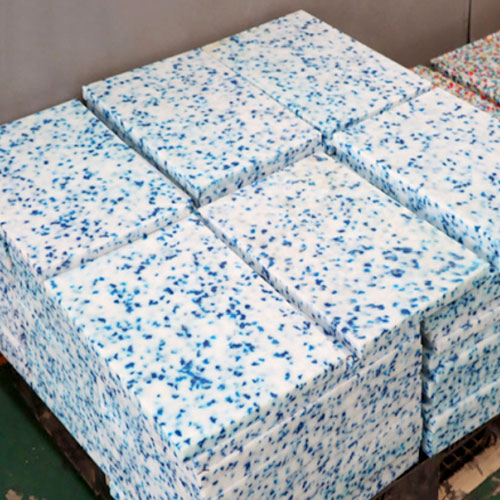
Composite boards combine recycled materials to create an eco-friendly option. They maintain durability but may vary in hardness and flexibility depending on the blend of plastics used.
Knife Friendliness
Some boards are gentler on knives than others. HDPE and PP boards maintain a balance between firmness and softness to prevent rapid knife dulling.
Weight and Portability
Consider the weight of the board relative to your kitchen setup. Heavier boards provide stability but can be cumbersome, while lighter boards are easy to lift and move.
Surface Texture
Smooth surfaces facilitate cleaning, while slight texture helps prevent food from sliding. Juice grooves or ribbed designs are additional features that enhance functionality.
Chemical Resistance
Plastic boards must withstand acidic foods, oils, and cleaning chemicals without degrading. HDPE boards offer excellent resistance, making them suitable for both home and commercial use.
How to Choose the Right Large Plastic Cutting Board
Purpose and Frequency
If you prepare large quantities of food regularly, choose a thicker, more durable board. For occasional home cooking, lighter and flexible boards may suffice.
Size and Thickness
Large boards provide ample prep space and allow for easier handling of bulky ingredients. Thicker boards offer stability, reducing movement and enhancing safety.
Color Coding
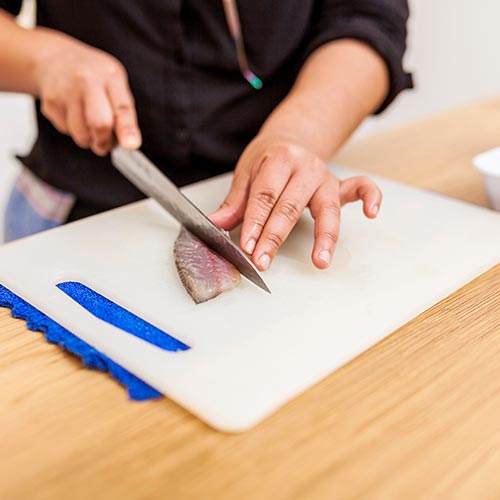
Many kitchens implement color-coded boards: red for raw meat, green for vegetables, and blue for seafood. This practice prevents cross-contamination and simplifies workflow.
Material Safety
Always select food-grade, BPA-free plastic to ensure safe contact with food. This reduces health risks and ensures compliance with food safety standards.
Storage Needs
Consider vertical storage or hanging options to save space. Proper storage prevents warping and extends the board’s lifespan.
Maintenance and Cleaning Tips
Daily Cleaning
Use hot water, mild detergent, and a scrub brush. For deep cleaning, periodically sanitize with vinegar or diluted bleach solution.
Removing Stains and Odors
Baking soda and lemon juice are effective for removing stubborn stains and lingering odors. Soaking in hot water can also help restore the surface.
Proper Storage
Store boards upright to prevent warping and allow air circulation. Avoid prolonged exposure to sunlight, which can cause discoloration or material degradation.
Comparison: Plastic vs Wood vs Bamboo Cutting Boards
| Feature | Large Plastic Cutting Board | Wood Cutting Board | Bamboo Cutting Board |
|---|---|---|---|
| Durability | High | Moderate | High |
| Maintenance | Easy | Harder | Moderate |
| Hygiene | Non-porous, easy to sanitize | Can harbor bacteria | Moderate, needs oiling |
| Knife Friendliness | Medium | High | Medium |
| Cost | Affordable | Higher | Moderate |
Plastic boards are best for hygiene, durability, and ease of cleaning. Wood boards are gentler on knives, and bamboo offers a sustainable alternative.
Practical Tips and Usage Ideas
- Use separate boards for raw meat, vegetables, and cooked foods
- Place a damp cloth underneath to prevent slipping during prep
- Cut large ingredients like melons or squash on a sturdy, large board
- Store boards vertically to save kitchen space and reduce moisture accumulation
- Use juice grooves for messy fruits or meats to keep countertops clean
Conclusion
A large plastic cutting board is an indispensable tool in modern kitchens. Its durability, hygiene, versatility, and non-slip design make it ideal for home and professional use. By selecting the right material and size, maintaining it properly, and following hygienic practices, you can maximize efficiency and safety in your kitchen.
FAQ
Are large plastic cutting boards safe for all types of food?
Yes, especially with color-coded boards to separate meat, vegetables, and cooked foods.
How often should I replace a plastic cutting board?
Replace boards with deep knife grooves, cracks, or persistent stains to maintain hygiene.
Can I use a knife directly without damaging the board?
HDPE and PP boards resist knife marks well, but avoid excessive force on one spot.
How do I remove stains and odors?
Use baking soda, lemon juice, or mild bleach solutions for deep cleaning.
Are plastic cutting boards dishwasher safe?
Most are, but check manufacturer guidelines for heat tolerance.
Is plastic better than wood for hygiene?
Plastic boards are non-porous and easier to sanitize, making them safer for raw meats.
Can I use a large plastic cutting board for rolling dough?
Yes, the smooth, durable surface is ideal for multiple prep tasks beyond cutting.