
Benefits of Non-Woven Geotextile Fabric in Landfill Bases
Table of Contents
Introduction
Modern landfill systems are far more than simple waste disposal sites—they are highly engineered structures designed to protect soil, prevent groundwater contamination, and manage leachate and gas. Ensuring the structural integrity and environmental safety of these facilities relies heavily on non-woven geotextile fabric, a key material that provides separation, filtration, drainage, reinforcement, and cushioning.
Non-woven geotextile fabric is increasingly recognized as a sustainable solution in landfill base design, offering both engineering performance and long-term environmental benefits. In this article, we explore how this material contributes to landfill stability, efficiency, and safety, providing practical insights into its use, selection, and installation.
What is Non-Woven Geotextile Fabric?
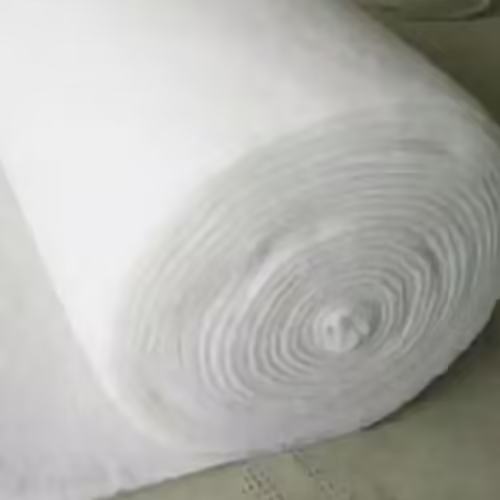
Non-woven geotextile fabric is composed of synthetic fibers, typically polypropylene (PP) or polyester (PET), bonded through mechanical, thermal, or chemical processes to create a porous yet durable sheet. This unique structure allows water to pass while retaining fine soil particles, making it ideal for filtration, drainage, and soil separation applications.
Key Elements of Non-Woven Geotextile Fabric
- Fiber composition: PP or PET for chemical and biological resistance
- Porosity: Controls water flow and soil retention
- Tensile strength: Ensures stability under heavy loads
- Puncture resistance: Protects geomembrane liners
- Flexibility: Adapts to uneven or irregular subgrades
- Durability: Resistant to degradation over decades in landfill conditions
The combination of these elements ensures that non-woven geotextile fabric can handle both mechanical stress and environmental exposure.
Core Functions of Non-Woven Geotextile Fabric in Landfill Bases
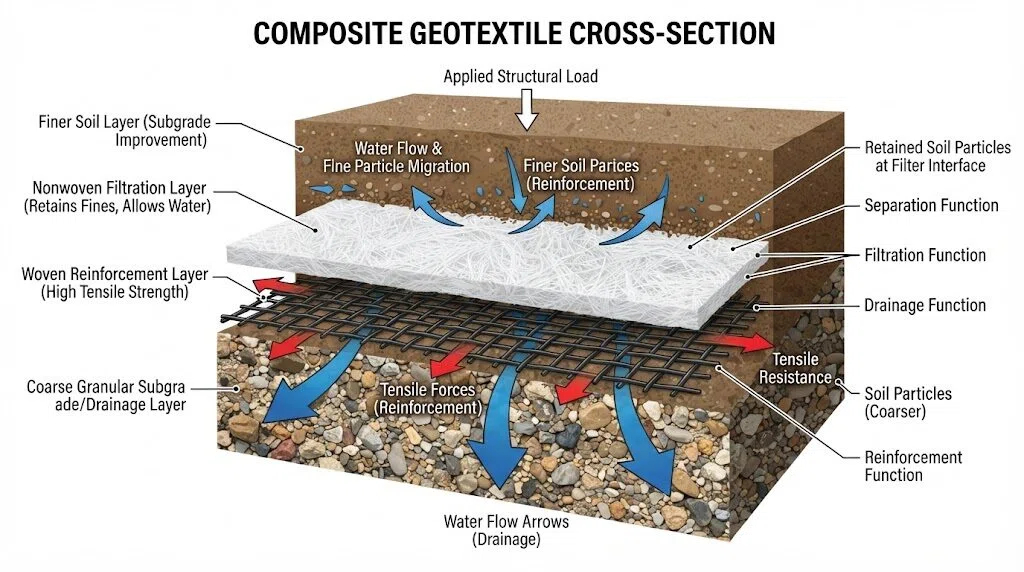
Separation Layer
One of the primary functions is to act as a separation layer, preventing soil and aggregate layers from mixing. This is crucial for maintaining the structural integrity of landfill bases and ensuring uniform load distribution throughout the subgrade. Without separation, soil particles can migrate, causing settlement, uneven stress distribution, and reduced lifespan of the base.
Filtration and Drainage
Non-woven geotextile fabric excels at filtration, allowing leachate and surface water to pass while retaining soil and fine particles. This helps:
- Keep drainage pipes clear and functional
- Prevent waterlogging at the base
- Reduce maintenance frequency and costs
Drainage efficiency is critical in landfill engineering, and studies show that proper use of geotextile layers can improve leachate collection by up to 40% compared to systems without a filtration layer.
Protection and Cushioning
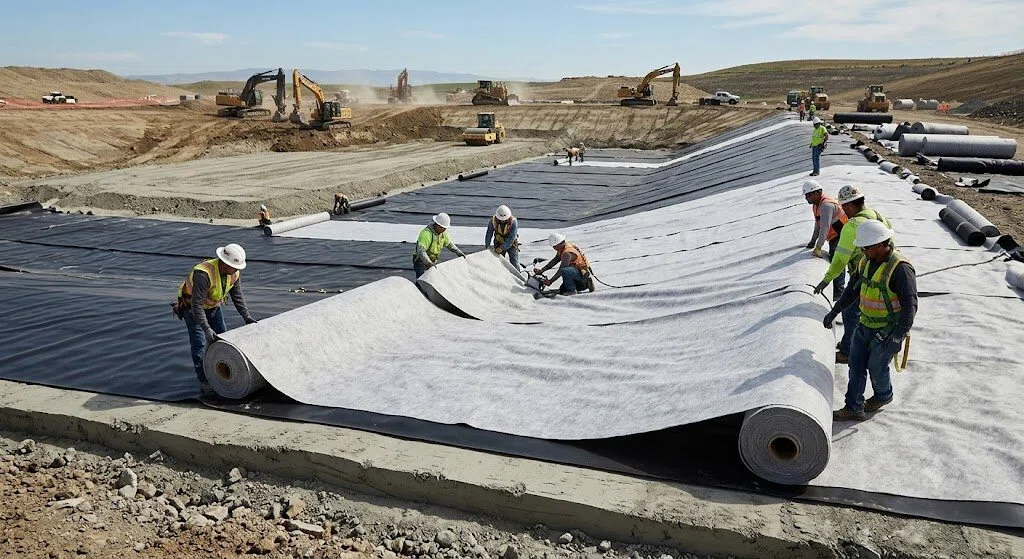
Placed above or below geomembrane liners, non-woven geotextile fabric acts as a cushioning layer that absorbs mechanical stress, prevents puncture from sharp objects, and protects liners during waste compaction. This protection is essential because even minor damage to a geomembrane can compromise environmental safety.
Reinforcement for Soil Stability
Non-woven geotextile fabric also provides reinforcement. By distributing loads more evenly across the base, it minimizes soil settlement and supports embankments or slopes. The material enhances the overall bearing capacity of the landfill, reducing the risk of structural failure over time.
Applications Across Different Projects
Non-woven geotextile fabric is versatile and finds use in a variety of civil and environmental engineering projects.
Landfill Base Systems
- Acts as a filter layer to prevent clogging in drainage systems
- Protects geomembrane liners from puncture
- Improves stability and reduces maintenance costs
Road and Pavement Engineering
- Stabilizes subgrade layers
- Reduces aggregate migration
- Increases road lifespan by distributing loads evenly
Slope Stabilization and Erosion Control
- Provides filtration on slopes to prevent soil movement
- Supports vegetation growth in green infrastructure projects
- Protects against erosion from rainfall and surface runoff
Water Containment and Reservoirs
- Supports pond and reservoir liners
- Maintains soil separation and drainage
- Prevents liner puncture from gravel or other substrate elements
Mining and Environmental Remediation
- Stabilizes soil in tailings storage facilities
- Filters contaminants while allowing drainage
- Supports structural integrity in reclaimed mining areas
Comparison: Non-Woven vs Woven Geotextile Fabrics
| Feature | Non-Woven Geotextile Fabric | Woven Geotextile Fabric |
|---|---|---|
| Main Function | Filtration, drainage, cushioning | Reinforcement, load distribution |
| Porosity | High | Low |
| Flexibility | High | Moderate |
| Puncture Resistance | Moderate to High | High |
| Best Use | Landfill bases, slopes, drainage | Roads, heavy-load reinforcement |
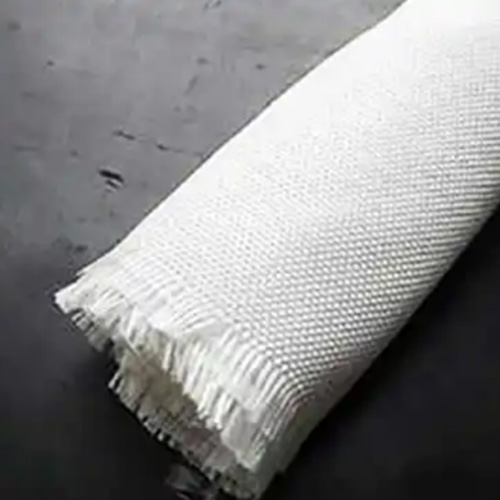
Non-woven fabric is ideal for projects requiring drainage, filtration, and liner protection, whereas woven fabric excels in heavy-load reinforcement and structural stabilization.
Benefits of Using Non-Woven Geotextile Fabric
Environmental and Economic Advantages
- Reduces the need for thick gravel layers
- Promotes sustainable construction practices
- Minimizes soil and water contamination
- Supports regulatory compliance and environmental protection
Engineering Advantages
- Enhances base stability and bearing capacity
- Reduces maintenance costs over the landfill lifecycle
- Provides long-term protection for geomembranes and liners
- Adaptable to irregular or challenging site conditions
Key Elements to Consider When Selecting Fabric
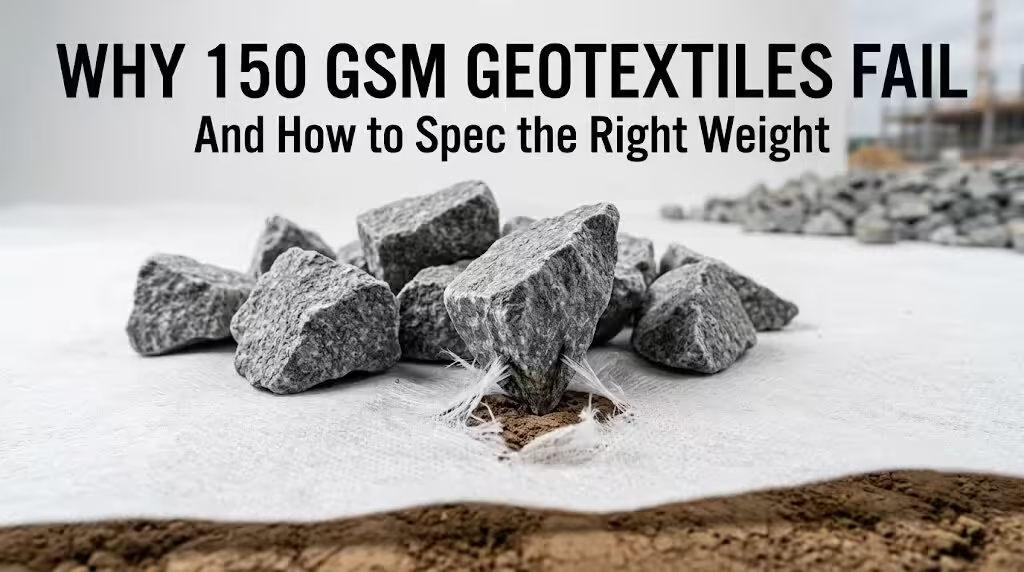
- Fabric weight and thickness
- Permeability and porosity
- Chemical and biological resistance
- Ease of installation and handling
- Project-specific load and drainage requirements
Installation Best Practices
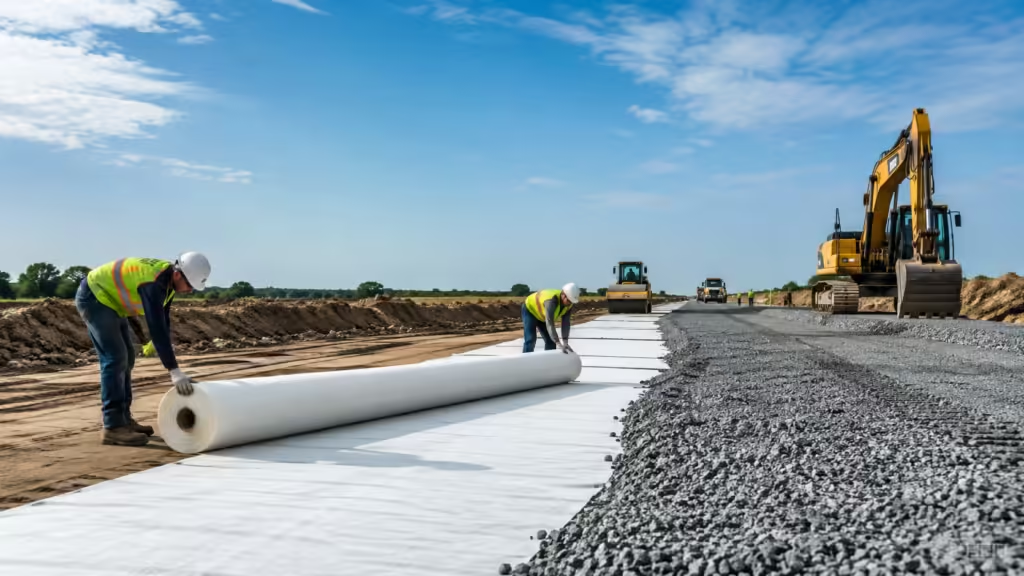
Preparing the Base
- Clear debris and sharp objects
- Ensure a smooth, compacted subgrade
Laying the Fabric
- Overlap sheets by at least 30 cm
- Avoid wrinkles, folds, or tension
Securing and Protecting
- Anchor edges with pins or trenching
- Prevent heavy machinery from dragging over the fabric
- Inspect for damage before covering with aggregates or liners
Conclusion
Non-woven geotextile fabric is an indispensable material in landfill engineering, providing filtration, drainage, separation, reinforcement, and protection. Its multifunctional properties improve structural stability, extend the life of liners and drainage systems, and support long-term environmental safety. Whether for landfill bases, slopes, roads, or water containment systems, selecting the right non-woven geotextile fabric ensures your project performs efficiently, sustainably, and safely.
Evaluate your site’s requirements, choose a fabric type based on technical specifications, and consult with experienced suppliers to implement a high-performance landfill or infrastructure solution.
FAQ
What’s the main difference between non-woven and woven geotextile fabrics?
Non-woven fabrics focus on filtration, drainage, and cushioning, while woven fabrics provide load distribution and reinforcement.
How long will non-woven geotextile fabric last underground?
High-quality materials can last 25–50 years depending on environmental conditions and installation.
Can it handle acidic or alkaline landfill conditions?
Yes, polypropylene and polyester fabrics are chemically inert and resistant to most contaminants.
Will it protect geomembranes from punctures?
Absolutely. Non-woven geotextile fabric acts as a cushioning layer, absorbing stress and preventing sharp objects from damaging liners.
How do I choose the right type for my project?
Consider weight, thickness, permeability, tensile strength, and specific site conditions. Professional guidance is recommended.
Can it be used in wet or high-flow areas?
Yes, the fabric’s porous structure allows water to pass while maintaining soil and structural stability.