
Why Non-Woven Geotextile Fabric Is Used in Drainage
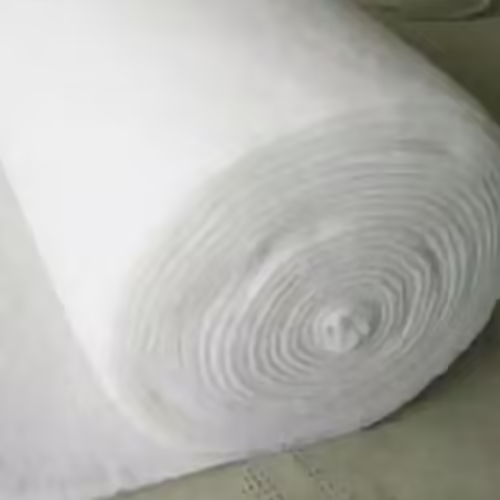
Table of Contents
Introduction
Every successful drainage system—whether beneath a highway, in a landfill base, or around a building foundation — relies on one key element: effective water management. At the center of that system is the non-woven geotextile fabric, an engineered material that quietly ensures stability, filtration, and protection in countless construction and environmental projects.
According to a 2024 MarketsandMarkets report, the global geotextile market is projected to surpass USD 10 billion within the next few years, driven primarily by growing demand for sustainable drainage and soil stabilization systems. This rising trend highlights just how essential non woven geotextiles have become in modern engineering.
In this article, we’ll dive deep into why non-woven geotextile fabric is used in drainage, how it works, what benefits it brings, and how you can select the right type for your project.
What Is a Non-Woven Geotextile Fabric?
Non-woven geotextile fabric is a permeable, synthetic material made primarily from polypropylene or polyester fibers. Unlike woven geotextiles, which have an interlaced structure similar to cloth, non-woven fabrics are bonded together mechanically, chemically, or thermally.
This unique structure creates a random fiber arrangement that allows for high water permeability and excellent filtration properties—two critical functions for effective drainage applications.
Key Features of Non-Woven Geotextile Fabric
- High Water Flow Rate: Allows fluids to pass through efficiently while retaining soil particles.
- Filtration Capability: Prevents clogging by separating fine sediments from drainage layers.
- Durability and Flexibility: Conforms to uneven surfaces without compromising strength.
- Chemical and UV Resistance: Suitable for long-term underground or exposed applications.
These features make non-woven geotextiles indispensable in infrastructure projects requiring both filtration and stability.
How Non-Woven Geotextile Fabric Works in Drainage Systems
Effective drainage design relies on controlling how water flows through soil layers without causing erosion or clogging. Non woven geotextile fabric plays a vital role in achieving this balance.
Filtration and Separation
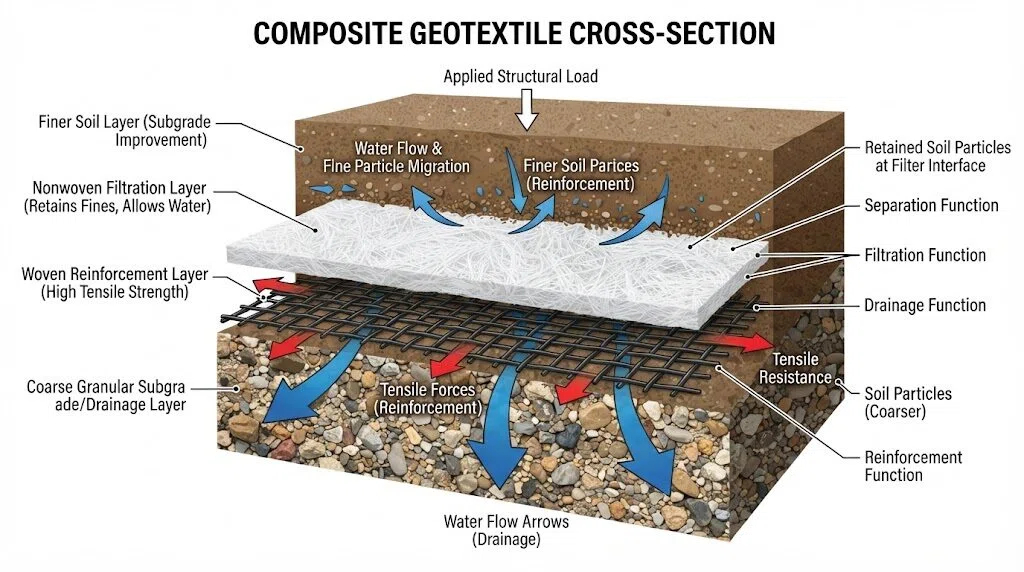
When water moves through soil, it can carry fine particles that cause blockages in drainage systems. The non woven geotextile acts as a filter barrier, allowing water to pass through while retaining those fine particles. This prevents sediment buildup and maintains consistent drainage performance over time.
Protection Layer
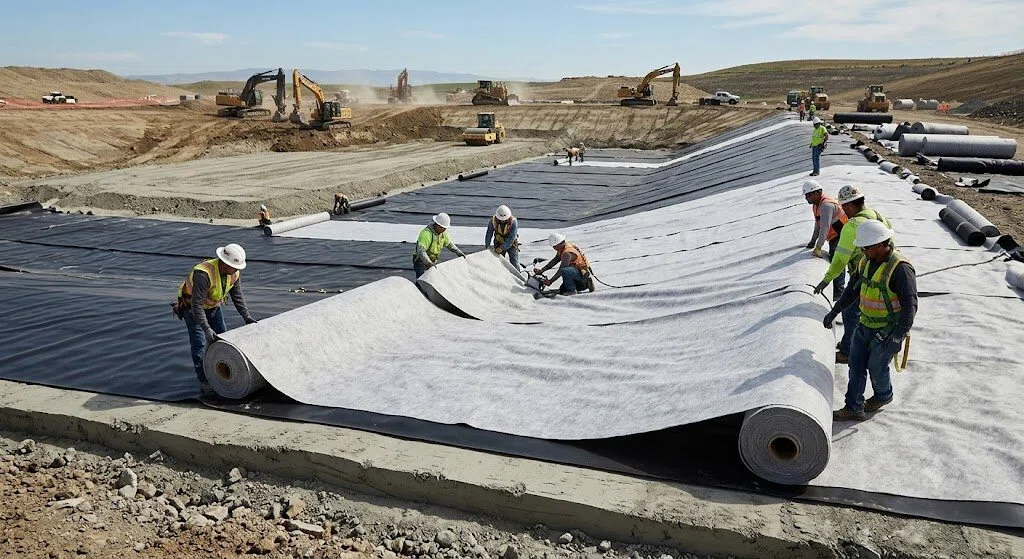
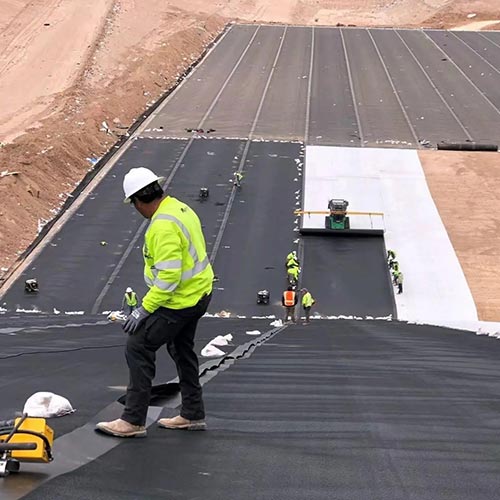
In multi-layered systems like landfill liners or foundation drains, the geotextile provides a protective cushion that prevents punctures or damage to geomembranes and drainage pipes.
Drainage Enhancement
Because of its high permeability, non-woven geotextile fabric supports lateral water movement, which improves overall drainage efficiency. This is particularly beneficial in areas with heavy rainfall, unstable soils, or fluctuating water tables.
Key Elements That Make Non-Woven Geotextile Fabric Effective
Permeability
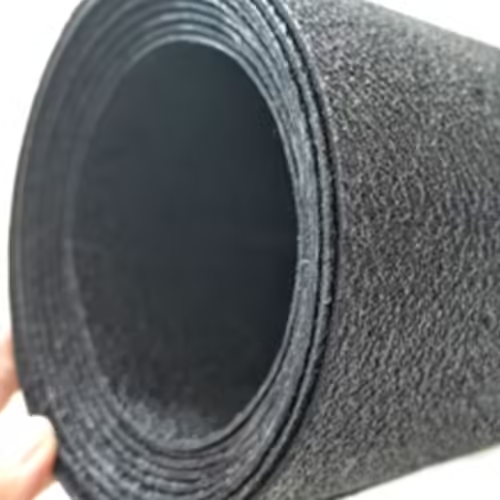
The random fiber arrangement creates micro-pathways that allow water to flow freely while maintaining filtration accuracy. Engineers often test permeability rates to match site-specific hydraulic conditions.
Strength and Durability
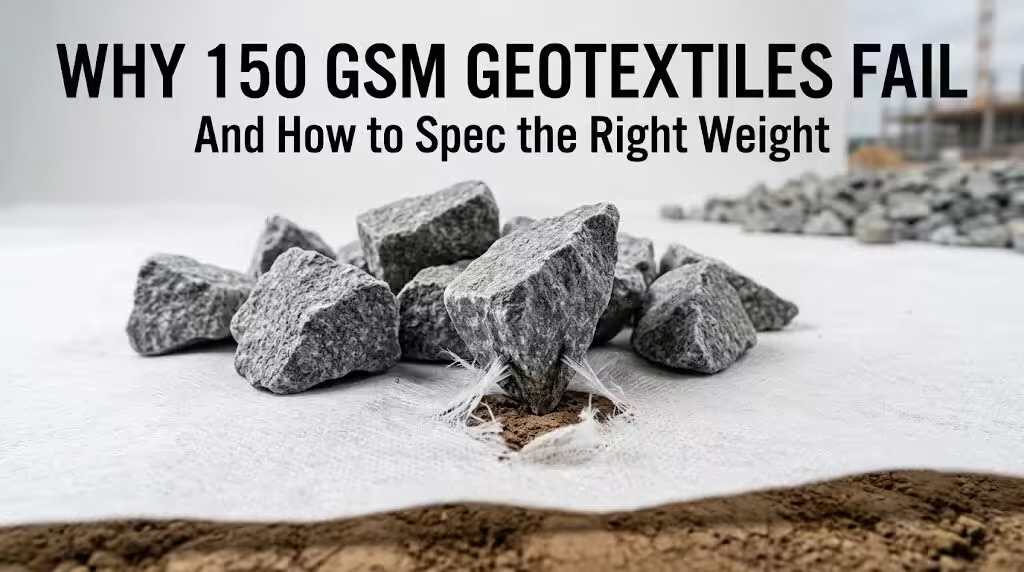
Modern non-woven fabrics are reinforced with needle-punched bonding, which provides excellent tear and puncture resistance—ideal for high-load applications like roads and embankments.
Resistance to Chemical and Biological Agents
Since non-woven geotextiles are often exposed to soil, minerals, and organic matter, chemical resistance is crucial. Polypropylene and polyester fibers provide long-term stability even in aggressive environments.
Ease of Installation
Unlike rigid materials, non-woven fabrics are lightweight, flexible, and easy to handle. They can be cut, shaped, and laid quickly on complex terrains, reducing installation time and labor costs.
Applications of Non-Woven Geotextile in Drainage
Non-woven geotextiles are used across multiple industries because of their adaptability and long-term reliability.
Road and Highway Drainage
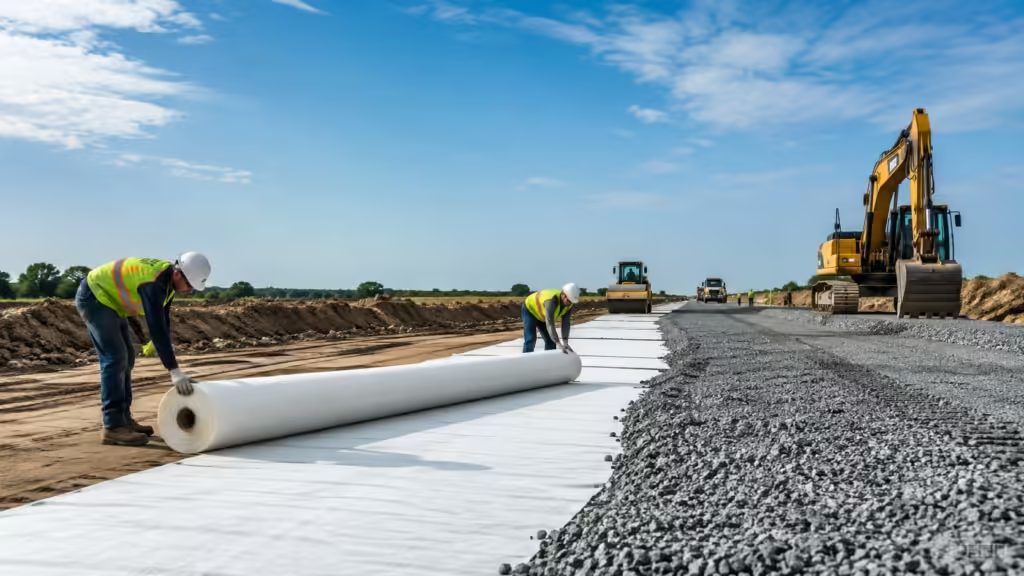
Placed beneath pavements or embankments, the fabric prevents subgrade soil from mixing with aggregate layers while allowing water to escape. This helps extend road life and prevent cracking caused by water retention.
Retaining Walls and Slope Stabilization
In steep or unstable areas, non woven geotextiles enhance drainage behind retaining structures, reducing hydrostatic pressure and improving slope stability.
Landfills and Waste Containment
These fabrics are essential for leachate collection systems, providing filtration and protection over geomembrane liners.
Building Foundations
Installed around basements or under concrete slabs, they prevent water accumulation, protecting foundations from long-term moisture damage.
Comparison: Non-Woven vs. Woven Geotextile Fabric
| Feature | Non-Woven Geotextile | Woven Geotextile |
|---|---|---|
| Structure | Random fiber bonding | Interlaced yarns |
| Permeability | High | Moderate |
| Primary Use | Filtration & drainage | Reinforcement |
| Flexibility | Excellent | Limited |
| Soil Retention | Effective for fine soils | Best for coarse materials |
While woven fabrics excel in reinforcement and load-bearing applications, non woven geotextiles outperform them in filtration, drainage, and protection—making them the preferred choice for drainage projects.
Future Innovations in Non-Woven Geotextiles
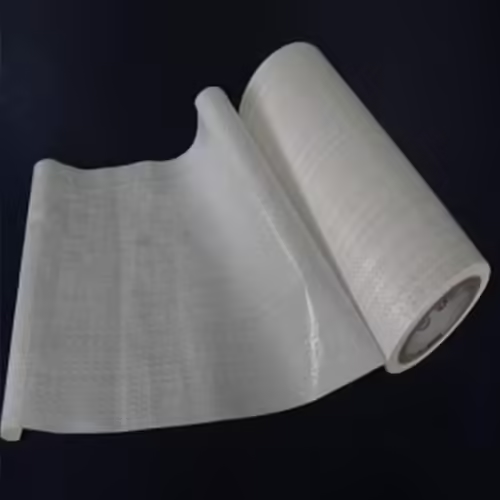
The industry is evolving rapidly with smart geosynthetics that incorporate sensor-based monitoring systems. These can detect changes in water pressure or saturation levels in real time, helping engineers manage drainage systems proactively.
Additionally, manufacturers are focusing on sustainable materials, using recycled polymers and reducing carbon emissions during production. According to the Geosynthetics Research Institute (2024), eco-friendly non-woven fabrics may reduce environmental impact by up to 25% without sacrificing performance.
Conclusion
Non-woven geotextile fabric is more than just a layer beneath the soil—it’s the unsung hero of effective drainage systems. Its unique combination of filtration, flexibility, and strength ensures long-term performance across infrastructure, environmental, and construction projects.
As the demand for sustainable and resilient infrastructure grows, choosing the right non woven geotextile can make the difference between a system that lasts decades and one that fails prematurely.
If you’re looking for high-quality, durable, and sustainable geotextile solutions, contact EcoGeo Material today. Our expert team can help you choose the perfect non-woven geotextile for your specific drainage, construction, or environmental project—ensuring long-term performance and reliability.
FAQ
What is the main purpose of using non-woven geotextile fabric in drainage?
It’s primarily used to separate soil layers, prevent sediment buildup, and maintain consistent water flow in drainage systems.
Can non-woven geotextile fabric handle heavy loads?
Yes. Modern needle-punched fabrics offer excellent tensile and puncture strength, making them suitable for both light and heavy-duty drainage applications.
How long does non woven geotextile last underground?
When properly installed, it can last over 20 years, depending on soil chemistry, UV exposure, and installation quality.
What’s the difference between needle-punched and heat-bonded non woven geotextiles?
Needle-punched types offer higher permeability and durability, while heat-bonded ones are better for filtration where fine particle control is required.
Is non woven geotextile environmentally friendly?
Yes. Many modern fabrics are made with recycled polymers, reducing plastic waste and contributing to sustainable construction practices.