
Polypropylene vs HDPE: Choosing the Right Material for Your Project
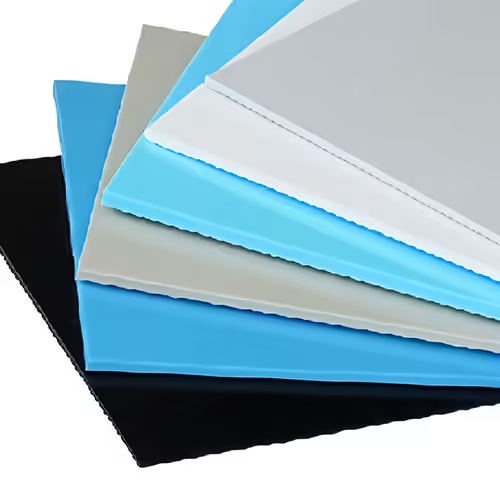
Table of Contents
Introduction
Selecting the right polymer material is a critical decision in engineering, construction, and industrial projects. Two of the most widely used materials are polypropylene (PP) and high-density polyethylene (HDPE). Both offer excellent chemical resistance, durability, and versatility, but their mechanical properties, temperature tolerance, and specific applications vary significantly. Understanding the differences between polypropylene vs HDPE can help you make informed decisions that improve performance, reduce costs, and ensure long-term reliability.
According to a 2024 MarketsandMarkets report on polymer materials, demand for high-performance plastics in infrastructure and environmental projects is growing at a compound annual growth rate of 6.5%, highlighting the importance of choosing the right material for each application.
This article provides a comprehensive comparison of polypropylene vs HDPE, covering material properties, applications, performance data, and practical selection guidance.
Overview of Polypropylene Vs HDPE

Polypropylene is a thermoplastic polymer known for its lightweight, high rigidity, and excellent resistance to heat and chemicals. It is commonly used in piping systems, chemical tanks, geomembranes, and lightweight infrastructure components.
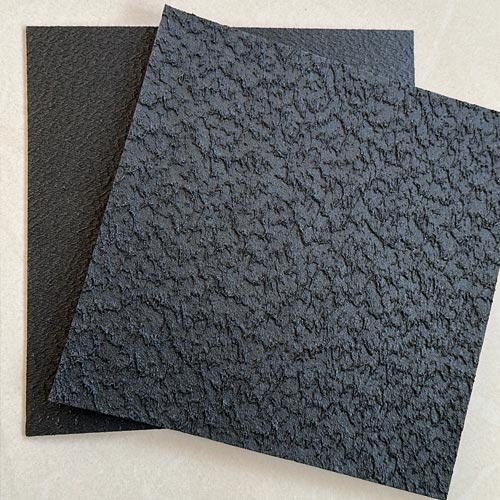
High-density polyethylene, on the other hand, is recognized for its superior impact resistance, flexibility, and excellent chemical and UV resistance. HDPE is widely applied in landfill liners, water conveyance pipelines, storage tanks, and outdoor infrastructure where durability under variable conditions is critical.
Key Differences at a Glance
| Feature | Polypropylene (PP) | High-Density Polyethylene (HDPE) |
|---|---|---|
| Density | 0.90–0.91 g/cm³ | 0.94–0.97 g/cm³ |
| Tensile Strength | 30–40 MPa | 20–37 MPa |
| Elongation at Break | 200–600% | 500–700% |
| Impact Resistance | Moderate | High |
| Temperature Range | -10°C to 120°C | -40°C to 80°C |
| Chemical Resistance | Excellent | Excellent |
| UV Resistance | Poor (requires stabilizers) | Good (with additives) |
| Cost | Slightly higher | Generally lower |
The table highlights that while polypropylene excels in high-temperature applications, HDPE is better suited for impact and cold resistance. Your project requirements will often dictate which material provides the optimal balance of performance and cost.
Applications and Suitability Guide
When to Choose Polypropylene
- High-temperature fluid handling and chemical transport
- Lightweight piping systems requiring rigidity and structural support
- Industrial tanks and containers exposed to heat and chemical agents
When to Choose HDPE
- Landfill liners and containment systems that require flexibility and puncture resistance
- Water pipelines or drainage systems exposed to outdoor conditions
- Areas with low-temperature environments or where impact resistance is critical
Case studies demonstrate that HDPE is widely favored for landfill applications due to its long-term durability and ability to withstand stress cracking, whereas polypropylene is often selected for high-temperature industrial piping systems.
Performance Factors to Consider
Selecting between polypropylene vs HDPE requires consideration of multiple engineering and environmental factors:
- Design Temperature: PP maintains structural integrity at higher temperatures compared to HDPE.
- Mechanical Load: HDPE is generally more impact-resistant and suitable for dynamic load conditions.
- Chemical Exposure: Both materials perform well in aggressive chemical environments, but specific solvent compatibility should be verified.
- UV and Weathering: HDPE with UV additives is ideal for prolonged outdoor exposure, while PP requires protective stabilizers.
- Cost and Installation: PP can be slightly more expensive, but its rigidity may reduce the need for additional structural support.
Comparison Summary Table
| Property | Ideal Polypropylene Applications | Ideal HDPE Applications |
|---|---|---|
| Temperature tolerance | Hot fluid piping, chemical tanks | Cold or variable temperature pipelines |
| Mechanical performance | High rigidity, moderate impact | High impact, flexible under load |
| Durability | Chemical exposure, indoor use | Outdoor infrastructure, landfill liners |
| Installation | Lightweight, precise fittings | Flexible, easy to contour to surfaces |
| Lifespan | 20–30 years (controlled conditions) | 25–35 years (varies with exposure) |
This table provides practical guidance for engineers, project managers, and procurement specialists evaluating the trade-offs between polypropylene vs HDPE in real-world scenarios.
Conclusion
Choosing between polypropylene vs HDPE depends on your project’s specific requirements, including temperature tolerance, mechanical load, chemical exposure, and environmental conditions. HDPE excels in outdoor, high-impact, and flexible applications, while polypropylene is ideal for high-temperature, chemically resistant, and rigid structural needs.
For personalized guidance on selecting the best polymer material for your infrastructure, industrial, or environmental project, contact EcoGeo Material today. Our experts provide tailored advice, material sourcing, and technical support to ensure your project is built for long-term performance and reliability.
FAQ
Which material is better for high-temperature chemical applications?
Polypropylene is generally preferred for temperatures up to 120°C, while HDPE is limited to around 80°C.
Can HDPE pipes be used for hot water systems?
HDPE is suitable for moderate temperatures but may deform under sustained high heat; polypropylene is a safer choice for high-temperature fluids.
How does impact resistance compare between polypropylene vs HDPE?
HDPE has superior impact resistance, especially in cold conditions, while PP is more rigid but less resilient to sudden forces.
Which material is more cost-effective for large infrastructure projects?
HDPE usually has a lower material cost and easier installation in large-scale, flexible applications, while PP can be slightly higher but offers benefits in high-temperature settings.
Are both materials environmentally friendly?
Both can be recycled, and advances in bio-based polymer production are making both polypropylene vs HDPE more sustainable.