
Secondary Containment Geomembrane Liners for Hazardous Waste and Chemical Storage
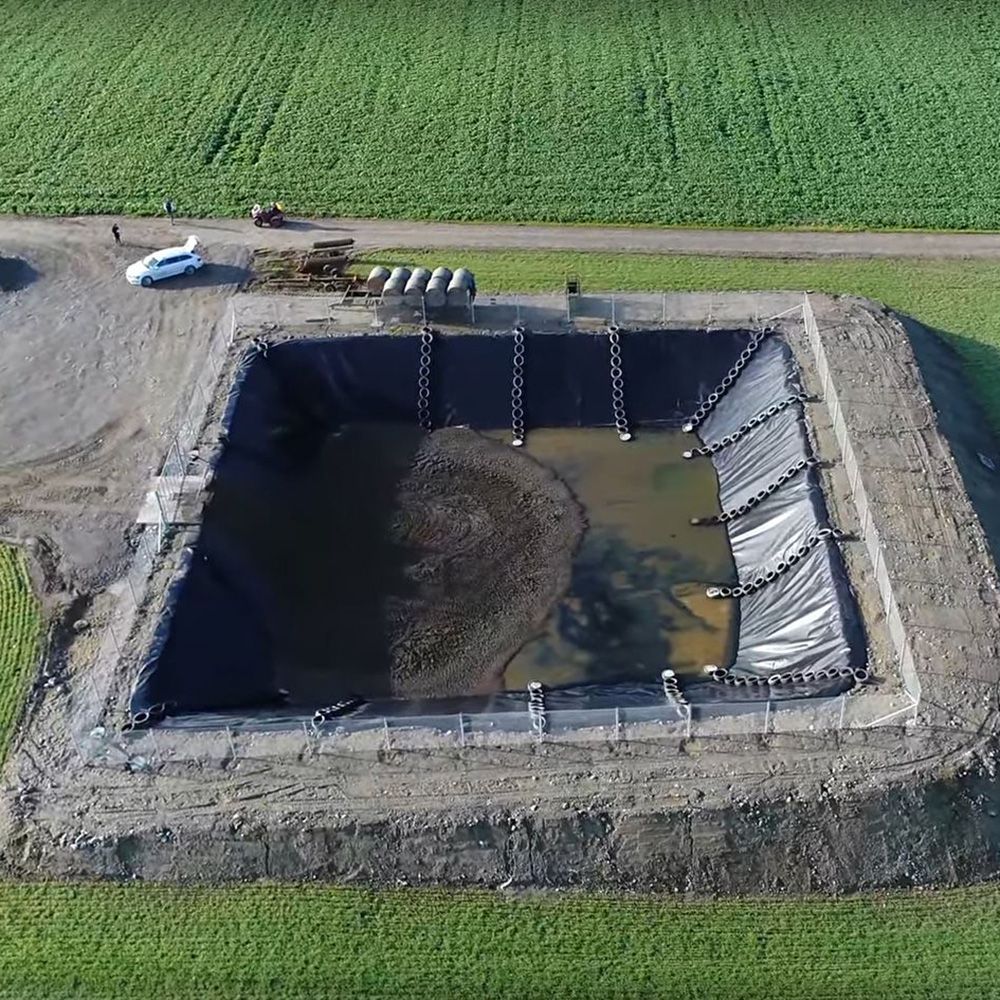
Table of Contents
Industrial facilities handling hazardous chemicals face a constant risk: leaks, spills, and soil contamination. Even minor structural failures can result in groundwater pollution, regulatory penalties, and costly remediation. This is where Secondary Containment Geomembrane Liners play a critical role.
Designed as engineered barrier systems, these liners prevent chemical migration into soil and groundwater while supporting compliance with environmental protection regulations.
What Are Secondary Containment Geomembrane Liners?
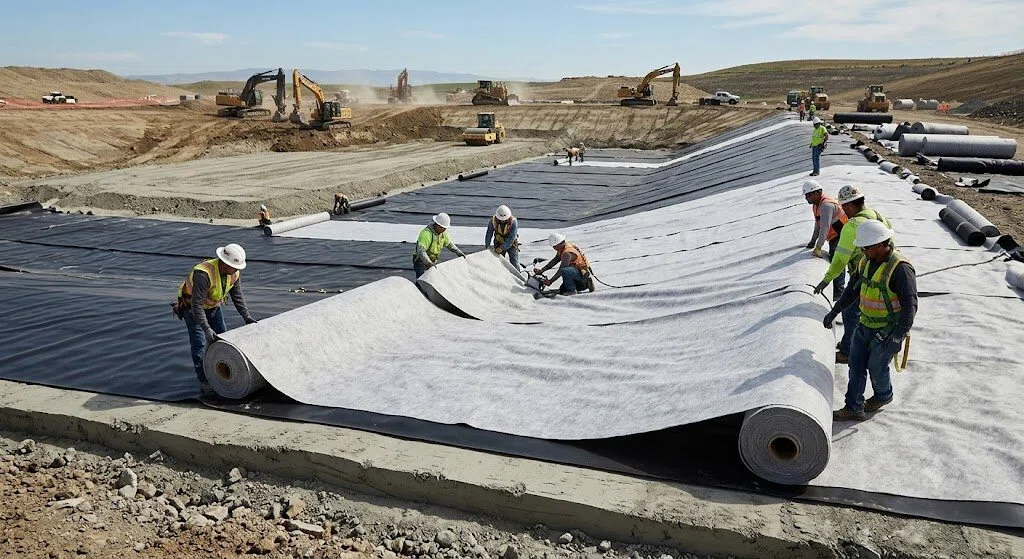
Secondary Containment Geomembrane Liners are impermeable synthetic membrane systems installed beneath chemical storage tanks, hazardous waste areas, and industrial floors. They serve as a backup containment layer in case primary containment fails.
Most systems use hdpe geomembrane due to its durability, low permeability, and chemical resistance. In regulated facilities, these liners are often part of a double liner system with leak detection floor, allowing early identification of leaks before environmental damage occurs.
According to the U.S. EPA RCRA Subtitle C regulations:Hazardous waste containment areas must prevent migration of hazardous constituents into soil and groundwater.
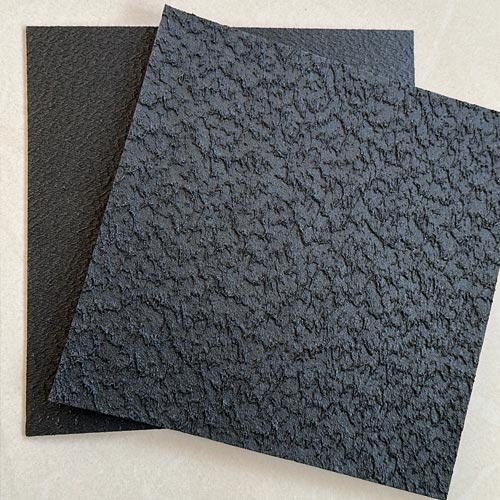
Material Selection: Why HDPE Geomembrane Is Preferred
HDPE geomembrane is widely used in industrial containment because of:
- Excellent chemical resistance
- High tensile strength
- Low permeability
- Strong stress crack resistance
- Long service life
Compared to PVC or other polymer liners, HDPE geomembrane performs better under long-term exposure to acids, alkalis, hydrocarbons, and industrial solvents. This makes it ideal for chemical resistant geomembrane for soil protection applications.
In double liner systems, hdpe geomembrane is typically used for both primary and secondary layers. Its weldability ensures leak-proof seams across large containment surfaces. Engineers also check chemical compatibility of HDPE liners for industrial floors using manufacturer data and laboratory tests.
Engineering Design Standards
Proper design is critical for long-term containment performance. Design standards for hazardous waste storage area lining typically include:
- Low-permeability geomembrane layer
- Compacted subgrade preparation
- Leak detection and collection system
- Adequate slope for drainage
- Chemical compatibility verification
For contaminated site projects, anti-seepage geomembrane for contaminated site remediation is often used to isolate pollutants effectively.
Installation and Leak Detection Systems
Correct installation determines system reliability. The installation of leak detection layer under geomembrane usually involves placing a geonet or drainage composite between primary and secondary liners.
A double liner system with leak detection floor allows any leaked liquid to flow toward a monitoring sump. Proper liner welding and seam testing are crucial for maintaining integrity:
- Hot wedge or extrusion welding
- Air pressure or vacuum box testing
- Destructive peel and shear tests
Real-World Application Scenarios
Secondary Containment Geomembrane Liners are not just regulatory requirements—they are critical infrastructure across multiple high-risk industries. Below are common real-world use cases:
1.Tank Farm Secondary Containment
In petrochemical facilities and fuel storage terminals, large volumes of hazardous liquids are stored. Secondary Containment Geomembrane Liners beneath tanks prevent hydrocarbons from penetrating soil. Many sites require a double liner system with leak detection floor.
2.Hazardous Waste Storage Areas
Facilities storing drums, IBCs, or bulk chemicals benefit from ground protection liners for chemical containment. Slow leaks are contained, ensuring long-term soil protection and compliance with hazardous waste storage standards.
3.Emergency Containment Basins
Chemical processing plants often install emergency containment pond lining systems to capture accidental spills. Basin volume calculations consider tank capacity, rainfall, and safety freeboard to prevent overflow contamination.
4.Industrial Floor Protection
Heavy-duty manufacturing plants use hdpe geomembrane beneath concrete slabs for secondary containment. This prevents chemical seepage through cracks, supporting chemical compatibility and long-term durability.
5.Mining and Contaminated Site Remediation
In mining and environmental remediation projects, anti-seepage geomembrane for contaminated site remediation isolates tailings or polluted soil, preventing acid mine drainage or heavy metal migration.
Cost Considerations
The cost of Secondary Containment Geomembrane Liners depends on:
- Material type and thickness
- Installation complexity
- Subgrade preparation
- Leak detection requirements
- Compliance with local regulations
Though initial investment may be higher than simple concrete, geomembrane systems reduce environmental liability and long-term maintenance costs.
Investment Value and Risk Reduction
From an operational standpoint, Secondary Containment Geomembrane Liners reduce:
- Soil remediation expenses
- Regulatory penalties
- Environmental risk
- Downtime from spills
ROI comes from compliance assurance, protection of groundwater, and prevention of costly remediation.
Choosing the Right System
When selecting Secondary Containment Geomembrane Liners, consider:
- Chemical exposure type
- Required hdpe geomembrane thickness
- Temperature range
- Subgrade conditions
- Drainage design
- Welding and QA protocols
Verification of chemical resistant geomembrane for soil protection performance is essential prior to procurement.
For more information on Secondary Containment Geomembrane Liners, please click here.
Frequently Asked Questions
What are the design standards for hazardous waste storage area lining?
They require low-permeability geomembranes, proper subgrade preparation, and effective leak detection to prevent groundwater contamination.
How is a leak detection layer installed under a geomembrane?
It is placed between two liners in a double liner system, typically using a drainage composite directing leakage to a monitoring sump.
How do you check chemical compatibility of HDPE liners for industrial floors?
Check manufacturer resistance charts and perform site-specific laboratory tests for expected chemical exposures.
How do you calculate emergency basin volume for chemical spills?
Engineers consider largest tank volume, rainfall, equipment displacement, and required safety freeboard.
What tests are required for liner welding and seam testing?
Tests include air pressure, vacuum box, and destructive seam strength checks to ensure leak-proof performance.
When is an anti-seepage geomembrane required for site remediation?
When contaminated liquids must be isolated from soil or groundwater, often as part of composite containment systems.