
The Complete Guide to PP Sheet: Types, Applications, and Key Elements
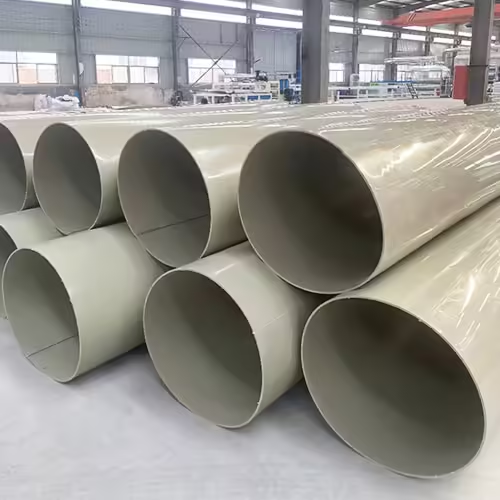
Table of Contents
Introduction
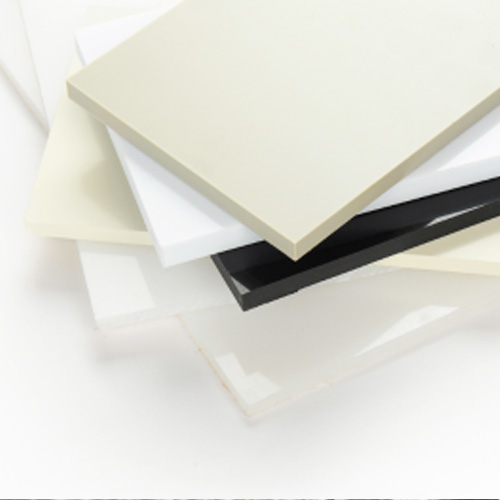
A PP sheet (polypropylene sheet) is a versatile thermoplastic material widely used in industrial, chemical, and consumer applications. Known for its lightweight nature, chemical resistance, and strong durability, polypropylene sheets have become a core material in many sectors.
Key elements that make polypropylene sheet popular include:
- Chemical resistance – resists acids, alkalis, and solvents
- Lightweight structure – easy to handle and transport
- Processability – can be cut, welded, or thermoformed
- Cost efficiency – economical for both small and large projects
Applications range from chemical tanks and piping to food processing surfaces and industrial signage.
Types and Properties of PP Sheet
Material Types of PP Sheets
PP sheets can be classified into several main types, each with unique properties:
- Homopolymer polypropylene sheets—standard grade with high rigidity
- Copolymer polypropylene sheets—improved impact resistance and flexibility
- Modified polypropylene sheets include fillers or additives for antistatic, flame retardancy, or UV resistance
Key Properties and Elements
Some important elements to consider when selecting a PP sheet include:
- Mechanical strength—tensile, flexural, and impact resistance
- Thermal stability—continuous use temperature and heat deflection
- Chemical resistance—performance against acids, alkalis, and organic solvents
- Surface finish—smooth or textured for specific applications
Comparing Homopolymer and Copolymer PP Sheets
| Feature | Homopolymer | Copolymer |
|---|---|---|
| Rigidity | High | Medium |
| Impact Resistance | Medium | High |
| Flexibility | Low | Medium |
| Applications | Rigid containers, structural panels | Chemical tanks, impact-prone surfaces |
Manufacturing Process and Quality Control
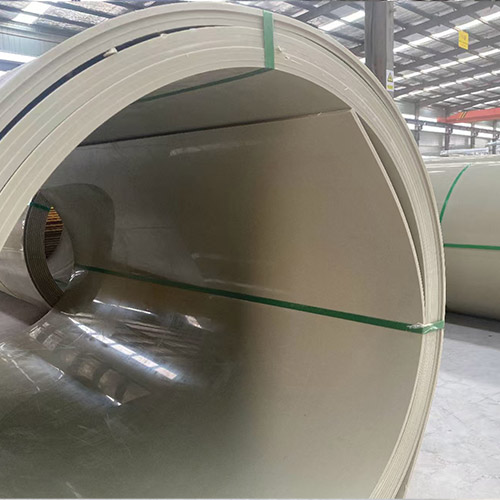
Elements of Production
The quality of polypropylene sheets relies on precise manufacturing:
- Extrusion—molten PP is shaped into sheets
- Calendering—smooths surface and controls thickness
- Cutting and trimming—standardizes sheet dimensions
- Surface treatment—optional finishes for printing or anti-static properties
Quality Testing Methods
Quality control ensures long-lasting performance:
- Thickness uniformity checks
- Tensile and flexural strength tests
- Chemical resistance evaluation
- Thermal performance and warping tests
Processing and Applications of Polypropylene Sheet
Processing Methods
PP sheets can be easily processed into a variety of products. Key elements in processing include:
- Cutting—saws, routers, or laser cutting
- Welding—hot air or ultrasonic welding for joining
- Thermoforming—shaping sheets into tanks, trays, or covers
- Adhesive bonding—for panels and composite structures
Industrial and Chemical Applications
Chemical Tanks and Pipes
PP sheets are ideal for chemical storage and transport, resisting corrosive liquids such as acids, alkalis, and solvents. They can be fabricated into tanks, piping systems, and containment liners, offering long-term durability and preventing chemical leakage. Their high chemical resistance and low maintenance requirements make them a preferred choice in chemical plants and industrial facilities.
Food Industry Surfaces
PP sheets are widely used in the food industry for cutting boards, food containers, and processing tables. They are non-toxic, resistant to most food acids and oils, and easy to clean, which ensures hygiene and compliance with food safety standards. Their smooth, non-porous surface prevents bacterial growth and makes them ideal for repeated use in commercial kitchens and processing plants.
Laboratory and Medical Equipment
PP sheets provide durable solutions for laboratory benches, containers, and protective panels. They are resistant to many chemicals, easy to sterilize, and maintain structural integrity under repeated cleaning and exposure to reagents. This makes them essential in medical labs, hospitals, and research facilities where reliability and cleanliness are critical.
Industrial Parts and Components
PP sheets are used to fabricate gears, sliders, spacers, and protective panels due to their combination of high strength, impact resistance, and chemical stability. They are suitable for applications where components may come into contact with harsh chemicals, moisture, or mechanical wear, making them a reliable choice in factories and manufacturing processes.
Packaging and Advertising Elements
PP sheets are also utilized in display boards, signage, and packaging layers due to their lightweight nature, durability, and printability. They can be easily cut, shaped, or laminated, making them ideal for advertising displays, point-of-sale signage, and protective packaging. Their resistance to moisture and chemicals ensures that printed graphics and materials remain intact over time.
Advantages of Polypropylene Sheets
- Lightweight yet strong
- Excellent chemical and corrosion resistance
- High electrical insulation
- Easily fabricated into custom shapes
- Environmentally friendly and recyclable
Common Challenges and How to Address Them
Typical Issues
Even polypropylene sheets can encounter challenges:
- Warping or cracking under extreme heat
- Poor weld strength if surfaces are contaminated
- Surface scratching or staining
- UV degradation with prolonged sun exposure
Preventive Solutions
- Ensure proper surface preparation before welding or gluing
- Avoid prolonged high-temperature exposure
- Use protective coatings or UV stabilizers
- Follow manufacturer guidelines for installation and fabrication
Comparison: PP Sheet vs PVC Sheet
While PP and PVC sheets may seem similar, their elements differ:
| Feature | PP Sheet | PVC Sheet |
|---|---|---|
| Chemical Resistance | Excellent | Good |
| Flexibility | Medium | Medium-High |
| Thermal Stability | Up to 100°C | Up to 60°C |
| Impact Resistance | High (copolymer) | Moderate |
| Typical Use | Chemical tanks, lab benches | Signage, decorative panels |
Environmental and Sustainability Elements
PP sheets are recyclable and have a lower environmental impact compared to metals or composites. Key elements include:
- Reduced CO₂ emissions during production
- Reusability and repurposing potential
- Compliance with environmental regulations in industrial settings
Conclusion
PP sheets are versatile, durable, and environmentally friendly. When selecting the right type:
- Choose homopolymer for rigidity and structural strength
- Choose copolymer for higher impact resistance
- Consider modified sheets for special applications like UV resistance or flame retardancy
By understanding these key elements, you can select the right PP sheet for your industrial, chemical, or consumer needs.
FAQ
What is a PP sheet used for?
PP sheets are widely used in chemical storage, lab equipment, food processing, and industrial parts due to their chemical resistance and durability.
Can polypropylene sheets withstand high temperatures?
Yes, standard polypropylene sheets can handle up to 100°C continuous exposure, while copolymer sheets may offer slightly better thermal stability.
How do I choose the right thickness for a polypropylene sheet?
Consider the load, chemical exposure, and intended application. Thicker sheets are needed for tanks or structural panels, thinner ones for covers or signage.
Can polypropylene sheets be welded or only glued?
PP sheets can be welded, thermoformed, or glued, depending on project requirements. Welding provides stronger joints for structural or chemical applications.
Is PP sheet safe for food contact?
Yes, but always use food-grade polypropylene sheets that comply with regulatory standards.
How long does a polypropylene sheet last?
With proper care, 10–20 years is typical for industrial and chemical applications. UV exposure and heat can reduce longevity.
How should I clean and maintain a polypropylene sheet?
Use mild detergents and non-abrasive tools. Avoid strong solvents or excessive heat to maintain surface integrity.