
What Is Geogrid and Why It’s a Game Changer
Welcome to My Blog!
Before we dive into the content, I’d love for you to join me on my social media platforms where I share more insights, engage with the community, and post updates. Here’s how you can connect with me:
Facebook:https://www.facebook.com/profile.php?id=61576267991871
Now, let’s get started on our journey together. I hope you find the content here insightful, engaging, and valuable.
Table of Contents
Introduction
Imagine a road, retaining wall or landfill built to stand the test of time, even under extreme conditions. The secret to this durability lies in materials like geogrids. But what is geogrid? What exactly are geogrids? And why can they revolutionize construction and environmental projects?
Headquartered in Shandong, China, EcoGeo Material is a leading manufacturer of geosynthetics, specializing in high-quality geogrids, geomembranes, and geotextiles for applications ranging from water conservation projects to landfill management. In this blog, we’ll delve deeper into the concept of geogrids – exploring their types, benefits and transformative impact on industries such as civil engineering, environmental protection and mine remediation. Whether you’re a contractor, engineer or project manager, understanding geogrids can make your next project a step up, more efficient and sustainable.
What Is Geogrid? A Comprehensive Overview
Defining Geogrid
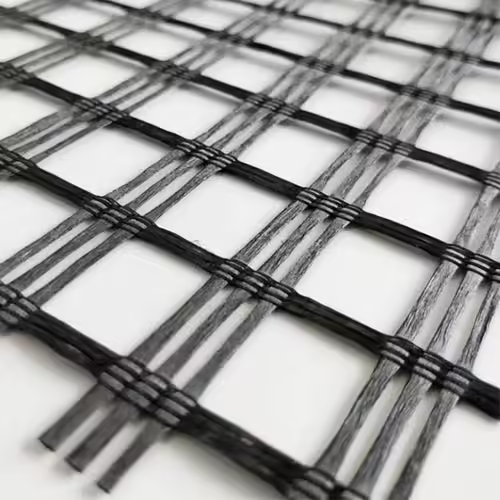
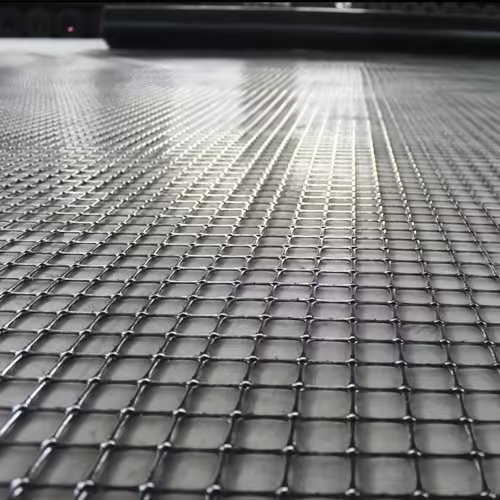
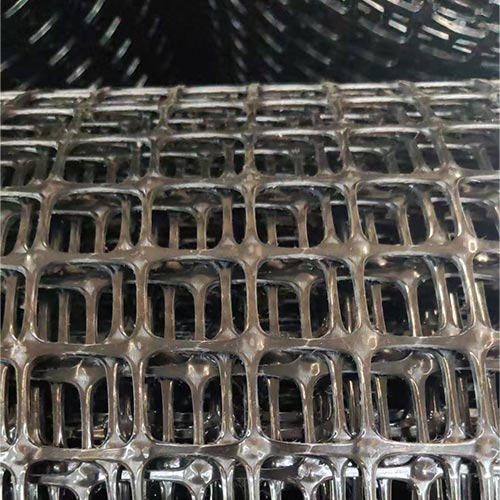
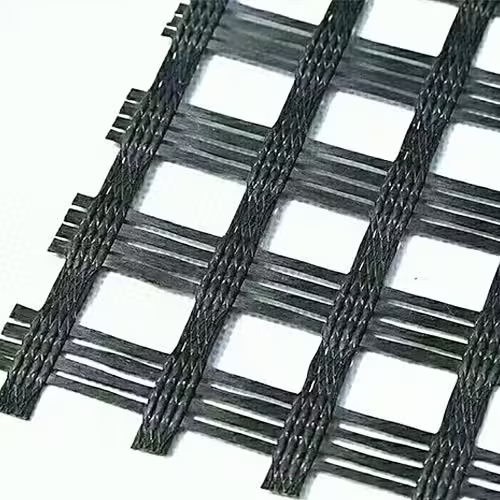
Geogrid is a geosynthetic material used to reinforce soils and similar materials. Typically made from polymers like polyethylene, polypropylene, or polyester, geogrids feature a grid-like structure with open spaces called apertures. These apertures allow soil particles to interlock, creating a composite system that enhances the strength and stability of the ground. From roads to retaining walls, geogrids are critical in providing structural support in various construction scenarios.
The Evolution of Geogrids
The concept of geogrids emerged in the late 20th century as engineers sought innovative solutions to stabilize weak soils. Unlike traditional methods that relied heavily on costly and time-consuming techniques, geogrids offered a lightweight, durable, and cost-effective alternative. Today, geogrids are integral to modern construction, with advancements in materials and manufacturing processes making them even more versatile. At EcoGeo Material, we leverage cutting-edge technology to produce geogrids that meet the demands of diverse applications, from municipal engineering to aquaculture.
Types of Geogrids
To fully answer “what is geogrid,” we must explore its various types, each tailored for specific applications.
Uniaxial Geogrids
Uniaxial geogrids are engineered to handle forces in one direction, making them ideal for retaining walls and steep slopes. Their high tensile strength ensures stability in structures under significant vertical loads, a key aspect of what is geogrid in structural applications.
Biaxial Geogrids
Biaxial geogrids provide strength in both longitudinal and transverse directions, perfect for road construction and parking lots. By distributing loads evenly, they reduce rutting and cracking, showcasing why what is geogrid matters in infrastructure projects.
Triaxial Geogrids
Triaxial geogrids, with their triangular apertures, offer multi-directional strength. They excel in heavy-load scenarios like highways and industrial yards, further illustrating the versatility of what is geogrid in demanding environments.
Geogrid Composites
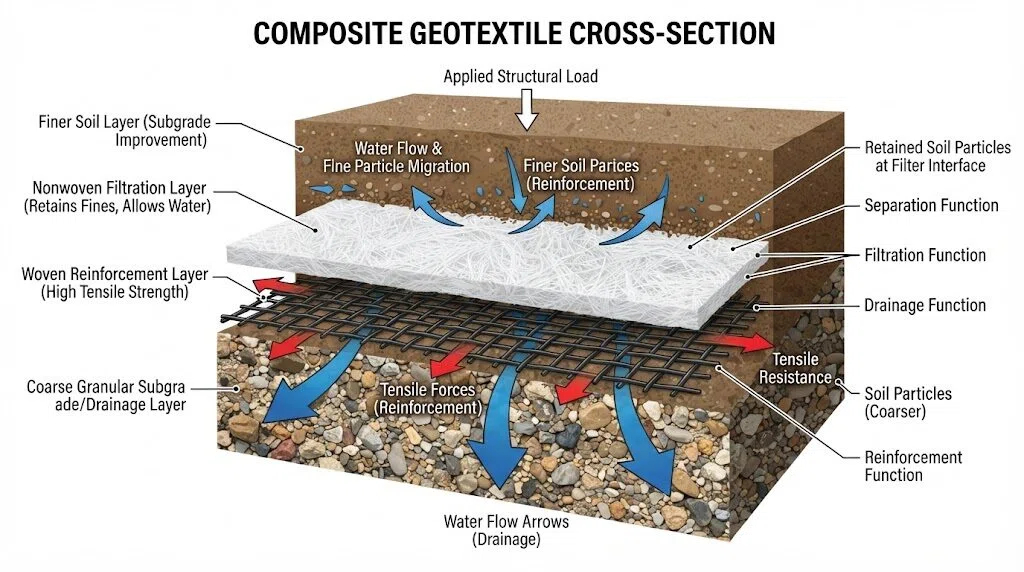
Geogrid composites combine geogrids with materials like geotextiles to enhance drainage and filtration. These are critical in landfill and wastewater treatment projects, where understanding what is geogrid includes its role in environmental protection.
Applications of Geogrids
Geogrids are incredibly versatile, finding applications across a wide range of industries. Below is a table summarizing key applications and their benefits:
| Application | Geogrid Type | Key Benefits |
|---|---|---|
| Road Construction | Biaxial, Triaxial | Enhances load distribution, reduces pavement thickness, and extends road lifespan. |
| Retaining Walls | Uniaxial | Increases wall stability, reduces soil pressure, and prevents sliding or collapse. |
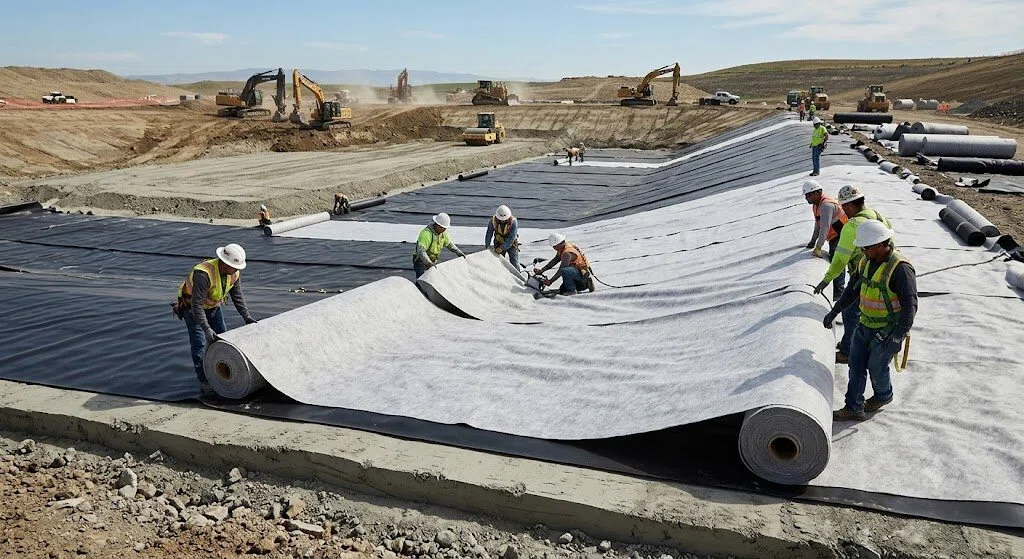
| Landfill Management | Geogrid Composites | Improves structural integrity, supports liners, and enhances drainage. |
| Slope Stabilization | Uniaxial, Biaxial | Prevents soil erosion, supports vegetation, and stabilizes steep slopes. |
| Mining Restoration | Biaxial, Composites | Reinforces weak soils, supports reclamation efforts, and ensures long-term stability. |
| Aquaculture | Geogrid Composites | Strengthens pond bases, prevents seepage, and supports sustainable fish farming. |
This table highlights the versatility of geogrids, but their real-world impact is even more profound. For example, in road construction, geogrids can reduce the need for thick aggregate layers, saving both time and money. In environmental projects, such as those undertaken by EcoGeo Material, geogrids play a crucial role in stabilizing landfills and preventing groundwater contamination.
Why Geogrids Are a Game Changer
Unmatched Structural Stability
What is geogrid’s biggest advantage? Its ability to enhance structural stability. By interlocking with soil, geogrids create a reinforced matrix that withstands heavy loads and prevents deformation. This is especially valuable in areas with weak soils, where traditional methods often fail, making what is geogrid a key question for engineers.
Cost-Effective Solutions
Geogrids reduce the need for thick aggregate layers or costly materials like concrete. By reinforcing soil, they allow for thinner pavement designs, saving both time and money. This cost efficiency is a core reason why what is geogrid is transformative for budget-conscious projects.
Environmental Benefits
At EcoGeo Material, sustainability is at the heart of what we do. Geogrids minimize the use of natural resources and reduce land disturbance, making them eco-friendly. In applications like slope greening or mining restoration, understanding what is geogrid reveals its role in promoting vegetation growth and long-term ecological balance.
Versatility Across Sectors
What is geogrid’s appeal? Its adaptability. From water conservancy to municipal engineering, geogrids perform in diverse environments. Whether stabilizing a steep slope or reinforcing a pond base in aquaculture, geogrids prove why what is geogrid is a question with far-reaching implications.
How Geogrids Work
The Science Behind Geogrids
To fully grasp what is geogrid, it’s essential to understand how it works. Geogrids rely on the principle of soil-geosynthetic interaction. The open apertures allow soil particles to penetrate and interlock, creating a composite material with enhanced mechanical properties. This interlocking mechanism increases the soil’s shear strength, reducing the risk of settlement or failure.
Installation Process
Installing geogrids is relatively straightforward but requires careful planning. The process typically involves:
- Site Preparation: Clear and level the ground to ensure a stable base.
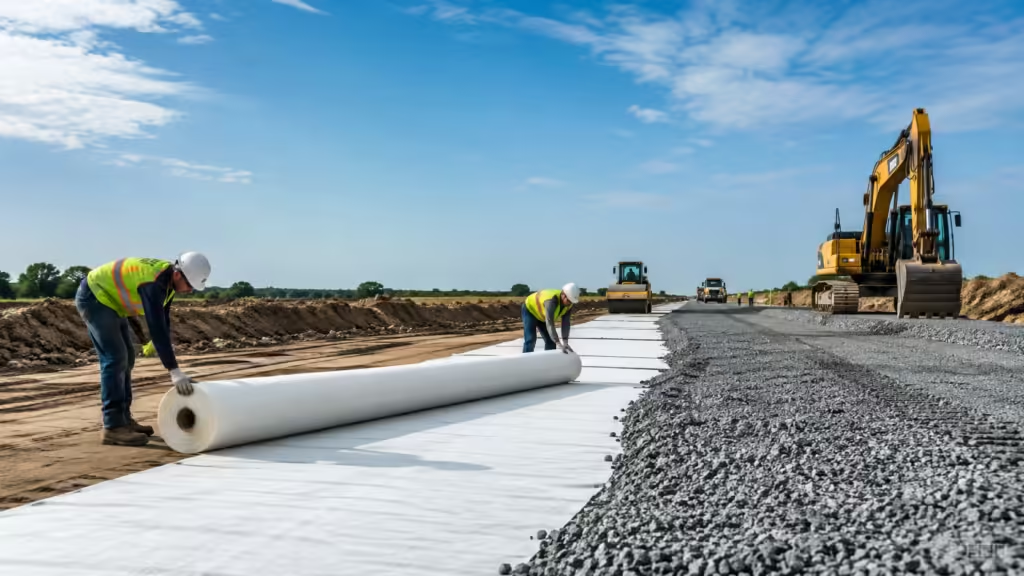
- Geogrid Placement: Roll out the geogrid, ensuring proper alignment and overlap.
- Soil Compaction: Place and compact soil or aggregate over the geogrid to lock it in place.
- Quality Checks: Inspect the installation to ensure proper tension and coverage.
Proper installation is critical to maximizing the benefits of geogrids, and EcoGeo Material provides expert guidance to ensure successful project outcomes.
Challenges and Considerations
While geogrids offer numerous advantages, there are challenges to consider. For instance, selecting the right type of geogrid for a specific application requires careful analysis of soil conditions and load requirements. Additionally, improper installation can reduce effectiveness, highlighting the importance of working with experienced professionals like those at EcoGeo Material.
Conclusion
Geogrids have transformed the way we approach construction and environmental projects, offering unmatched stability, cost efficiency, and sustainability. By understanding what is geogrid and its applications, you can make informed decisions to enhance the durability and performance of your projects.At EcoGeo Material, we’re proud to lead the way in geosynthetic innovation, delivering high-quality geogrids that meet the needs of industries worldwide.
Ready to elevate your next project with geogrids? Contact us today to explore our solutions and take the first step toward a stronger, more sustainable future.
FAQ
What is geogrid used for?
Geogrids are used to reinforce soil in applications like road construction, retaining walls, slope stabilization, and landfill management. They enhance stability and reduce material costs.
What are the different types of geogrids?
The main types include uniaxial, biaxial, triaxial, and geogrid composites, each suited for specific applications based on load and directional requirements.
How does geogrid improve sustainability?
Geogrids reduce the need for natural resources, minimize land disturbance, and support eco-friendly practices like slope greening and mining restoration.
Can geogrids be used in aquaculture?
Yes, geogrids, particularly composites, are used in aquaculture to strengthen pond bases and prevent seepage, ensuring sustainable fish farming.
Where can I source high-quality geogrids?
EcoGeo Material, based in Shandong, China, offers a wide range of high-quality geogrids tailored to various applications. Contact us for more details.