
What is Geotextile? Your Essential Guide Here
Welcome to My Blog!
Before we dive into the content, I’d love for you to join me on my social media platforms where I share more insights, engage with the community, and post updates. Here’s how you can connect with me:
Facebook:https://www.facebook.com/profile.php?id=61576267991871
Now, let’s get started on our journey together. I hope you find the content here insightful, engaging, and valuable.
Table of Contents
Introduction
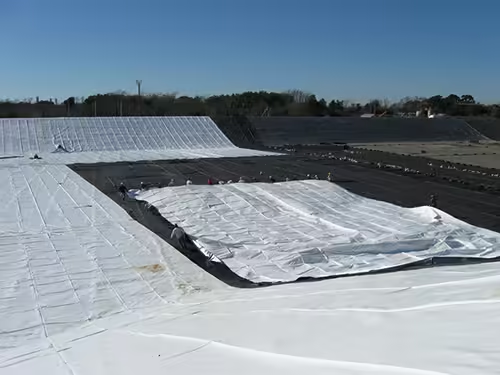
Have you ever wondered how large construction projects can keep soil stable and how landfills can prevent seepage? The answer often lies in a widely used material – geotextiles. If you work in the construction, environmental management or even landscaping industries, drainage fabric have probably become an integral part of your life – or rather, they should be! As a leading geosynthetics manufacturer, we specialize in producing high-quality geotextiles, geomembranes and related products that are widely used in the water conservancy, environmental protection, municipal engineering, aquaculture, wastewater treatment and other industries. In this guide, we’ll take you further into geotextiles – what they are, how they work and why they can make a world of difference to your project. Let’s dive in together!
What Exactly Is a Geotextile?
A Geosynthetic fabric is a synthetic or natural fabric used in civil engineering and environmental projects to improve soil stability, drainage, filtration, or separation. Think of it as a superhero for soil—it strengthens, protects, and enhances the performance of the ground beneath your feet. Geotextiles come in two main types: woven and nonwoven, each with unique properties suited to different applications.
- Woven Geotextiles: Made by weaving synthetic fibers together, these are incredibly strong and durable, perfect for heavy-duty tasks like road stabilization or reinforcement.
- Nonwoven Geotextiles: Created by bonding fibers through heat, chemicals, or needle-punching, these are great for filtration, drainage, and protection.
According to ASTM D4439, geotextiles are defined as “permeable geosynthetics comprised solely of textiles.” Their versatility makes them indispensable in industries ranging from construction to environmental restoration.
Why Are Geosynthetic Fabric So Important?
Geosynthetic fabric solve problems you didn’t even know you had. They prevent soil erosion, filter out contaminants, and reinforce weak ground, making your projects safer and longer-lasting. For example, in a 2023 study by the International Geosynthetics Society, geosynthetic fabric were shown to reduce soil erosion by up to 70% in slope stabilization projects. Whether you’re building a highway or restoring a mine, geosynthetic fabric are your go-to solution for durability and sustainability.
Key Functions of Geotextiles in Construction and Beyond
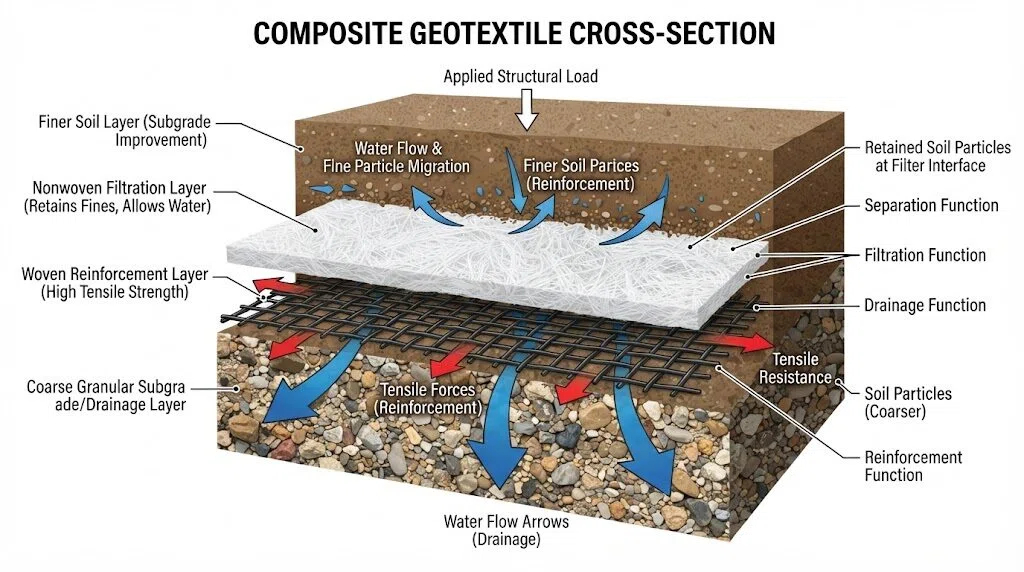
Engineered fabric wear many hats, and their functions are what make them so valuable. Here’s a breakdown of their primary roles:
Separation: Keeping Things Where They Belong
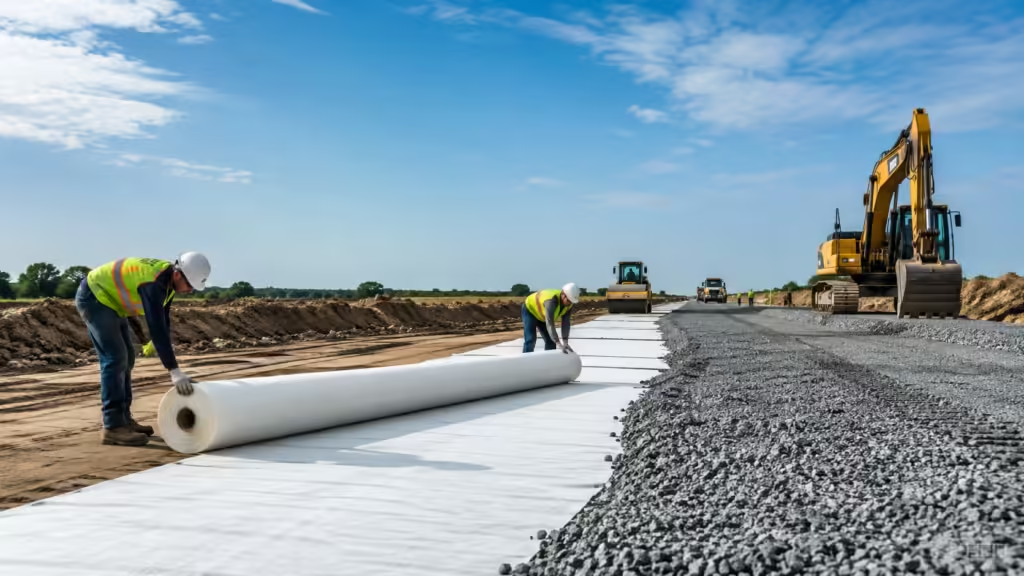
Imagine you’re building a road. Without a engineered fabric layer, the gravel and soil mix, weakening the structure. A woven engineered fabric acts as a barrier, keeping different soil layers separate. This prevents contamination and maintains the integrity of your project.
Filtration: Letting Water Through, Not Soil
Nonwoven drainage fabric shine here. They allow water to pass while blocking fine soil particles, making them ideal for drainage systems or erosion control. For instance, in wastewater treatment facilities, drainage fabric filter out sediments, ensuring cleaner water flow.
Reinforcement: Giving Soil a Boost
Weak soil? No problem. Woven reinforcement fabric add tensile strength, distributing loads evenly and preventing cracks or collapses. This is why they’re a staple in road construction and embankment projects.
Drainage: Managing Water Like a Pro
Filtration layer help water move where you want it to go. By acting as a conduit, they prevent water buildup that could destabilize structures like retaining walls or landfills.
Protection: Shielding Your Investment
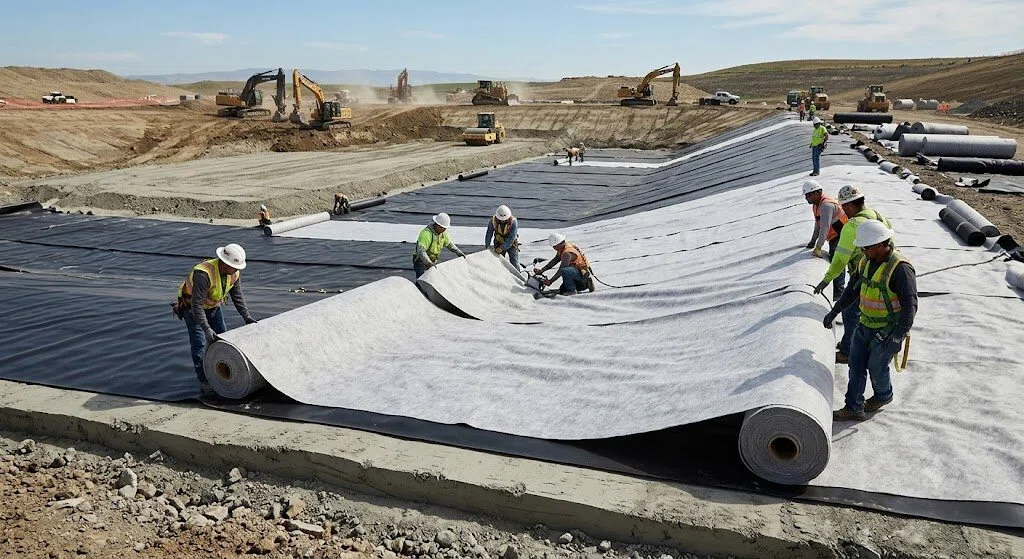
Geotextiles protect geomembranes in landfills or ponds from punctures and abrasions. A nonwoven soil reinforcement fabric layer can extend the lifespan of these systems by years, saving you costly repairs.
Types of Geotextiles: Which One Fits Your Project?
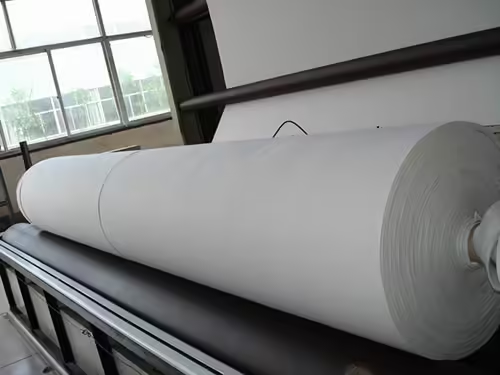
Choosing the right geotextile depends on your project’s needs. Here’s a handy table to help you decide:
| Type | Material | Key Properties | Common Applications |
|---|---|---|---|
| Woven Geotextile | Polypropylene, Polyester | High strength, low elongation | Road stabilization, embankment reinforcement |
| Nonwoven Geotextile | Polypropylene, Polyester | Permeable, flexible, good filtration | Drainage systems, erosion control |
| Knitted Geotextile | Polyester | High flexibility, moderate strength | Slope protection, landscaping |
| Natural Geotextile | Jute, Coir | Biodegradable, eco-friendly | Temporary erosion control, landscaping |
This table, based on standards like ISO 10318, highlights the diversity of geosynthetic fabric. For heavy-duty projects, woven geosynthetic fabric are your best bet, while nonwoven options excel in filtration and drainage.
How to Choose the Right Geosynthetic fabric
Not sure which geosynthetic fabric to pick? Consider these factors:
- Project Type: Roads need strong woven reinforcement fabric, while drainage systems benefit from nonwoven ones.
- Soil Conditions: Sandy soils require different reinforcement fabric than clay-heavy ones.
- Durability Needs: Permanent structures demand synthetic geotextiles, while temporary projects might use natural ones. Consulting with a geosynthetic expert can ensure you select the right material for your specific application.
Applications of Geotextiles: Where They Shine
Geosynthetic fabric are everywhere, from highways to backyard ponds. Here are some of their top applications:
Road and Railway Construction
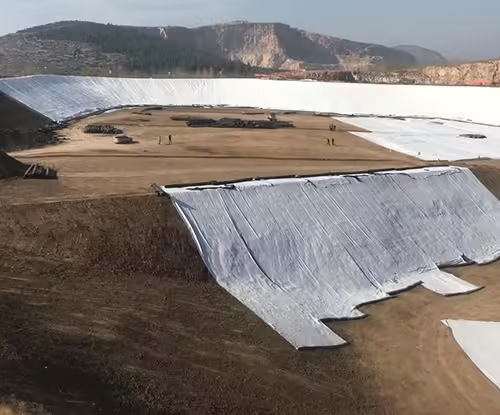
Reinforcement fabric stabilize the ground beneath roads and railways, preventing settlement and extending lifespan. A 2022 report by the American Society of Civil Engineers noted that geotextiles can reduce maintenance costs by up to 30% in road projects.
Erosion Control and Slope Stabilization
On slopes or riverbanks, soil reinforcement fabric prevent soil loss due to wind or water. They’re often paired with vegetation for greener, more sustainable solutions.
Landfills and Environmental Protection
In landfills, synthetic liner work with geomembranes to prevent leaks and protect groundwater. Their filtration properties ensure contaminants stay contained.
Aquaculture and Water Management
Synthetic liner line ponds and canals, preventing seepage and ensuring water stays where it’s needed. They’re also used in wastewater treatment to filter out solids.
Landscaping and Greening Projects
From rooftop gardens to golf courses, drainage fabric help with drainage and soil stabilization, creating beautiful, functional landscapes.
Benefits of Using Geotextile: Why You Should Invest
Why choose geotextiles? Here are some compelling reasons:
- Cost-Effective: They reduce the need for expensive soil replacement or frequent repairs.
- Eco-Friendly: geosynthetic fabric minimize environmental impact by controlling erosion and protecting water quality.
- Versatile: From small landscaping projects to massive infrastructure, geosynthetic fabric adapt to any scale.
- Durable: Synthetic geotextiles resist UV rays, chemicals, and biological degradation, per ASTM D5261 standards.
- Easy to Install: Lightweight and flexible, geosynthetic fabric save time and labor on-site.
By incorporating geotextiles, you’re not just building—you’re building smarter.
Installation Tips for Geotextiles: Getting It Right
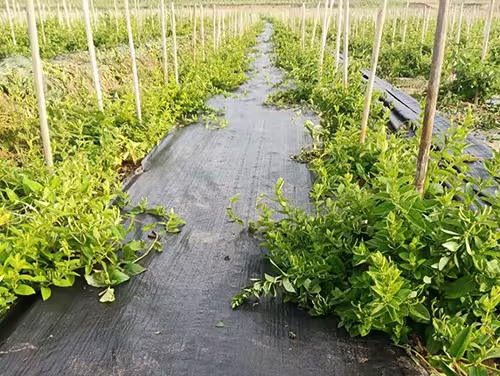
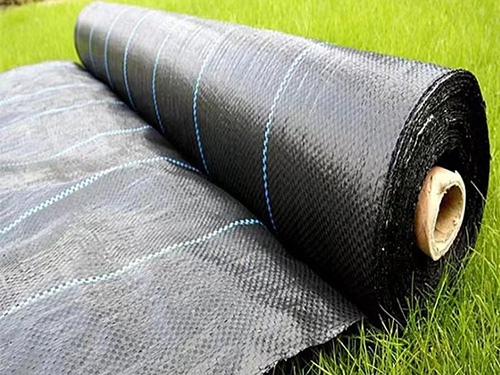
Proper installation is key to maximizing geotextile performance. Here’s how to do it:
- Prepare the Site: Clear debris and level the ground to avoid punctures.
- Choose the Right Drainage Fabric: Match the material to your project’s needs (e.g., woven for reinforcement, nonwoven for drainage).
- Overlap Seams: Ensure 12-18 inches of overlap between geotextile sheets to prevent gaps.
- Secure Properly: Use pins or weights to keep the drainage fabric in place during installation.
- Cover Promptly: Protect thedrainage fabric from UV exposure by covering it with soil or aggregate soon after placement.
Following ISO 10319 guidelines for tensile testing can help you verify the geotextile’s strength before installation.
Conclusion
Geotextiles are more than just a fabric; they are solutions to many tough challenges in construction, environmental protection and more. Whether you’re reinforcing a roadway, protecting a landfill, or greening a slope, Synthetic liner offer durability, sustainability, and cost savings. As a trusted manufacturer of geosynthetics, we’re passionate about helping you find the perfect geosynthetic fabric for your project.
FAQ
What is the difference between woven and nonwoven geotextiles?
Woven engineered fabric are made by weaving fibers together, offering high strength for reinforcement tasks like road building. Nonwoven geosynthetic fabric, bonded through heat or needle-punching, excel in filtration and drainage, ideal for erosion control or wastewater systems.
How long do geotextiles last?
Synthetic engineered fabric, like those made from polypropylene, can last decades under normal conditions, resisting UV rays and chemicals (ASTM D5261). Natural geosynthetic fabric, like jute, are biodegradable and typically last 1-3 years.
Can geosynthetic fabric be used in landscaping?
Absolutely! engineered fabric are perfect for landscaping, helping with drainage, weed control, and soil stabilization in gardens, pathways, or green roofs.
Are geosynthetic fabric environmentally friendly?
Yes! engineered fabric reduce erosion, protect water quality, and minimize the need for resource-heavy construction methods. Natural geosynthetic fabric are fully biodegradable, making them a green choice for temporary projects.
How do I know which geosynthetic fabric to choose for my project?
It depends on your project’s needs—consider soil type, load requirements, and whether you need filtration, reinforcement, or drainage. Consulting with a geosynthetic expert or referring to standards like ISO 10318 can guide your decision