
Geogrid Rolls: The 2026 Ultimate Guide for Stability & Savings
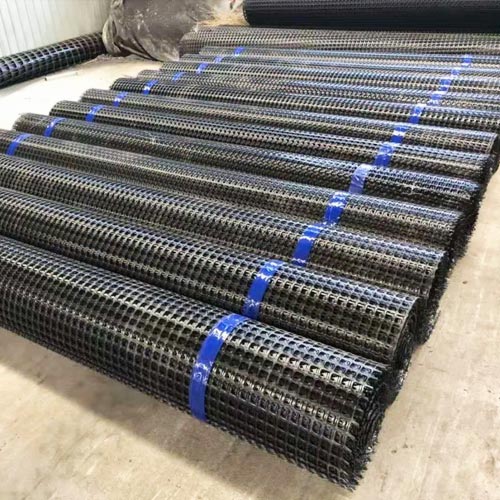
Table of Contents
Introduction
Picture this: you’ve spent months planning a new access road. The base is prepared, the materials are on-site, and the project is on schedule. But within a year, you start to see the tell-tale signs of failure—rutting, uneven settlement, and cracks. The culprit? Inadequate soil stabilization that’s now costing you a fortune in repairs and downtime.
If this scenario keeps you up at night, you’re not alone. The challenge of creating long-lasting, stable foundations on weak soil is a universal one in our industry. The good news is that there’s a proven, cost-effective solution that has been revolutionizing civil engineering projects for decades: geogrid rolls.
This isn’t just another technical overview. This 2026 guide is designed to be your definitive field resource, pulling back the curtain on how geogrid rolls work, how to avoid critical installation errors, and how to select the perfect product to ensure your project’s integrity for years to come.
What Is Geogrid Rolls? Demystifying the Engineering Marvel
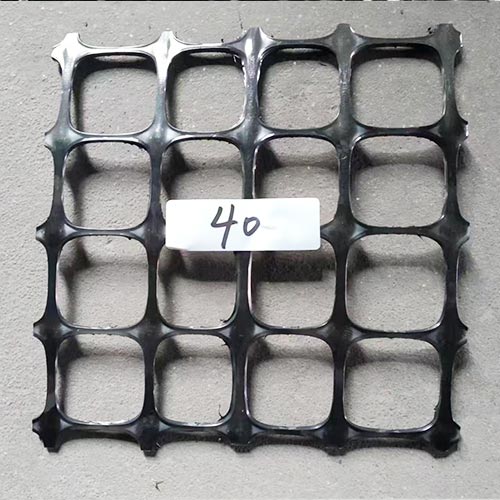
At its core, a geogrid is a polymeric (or sometimes steel) mesh structure. When supplied in large, convenient geogrid rolls, it’s deployed across vast areas of soil to perform one critical job: reinforcement.
Think of it as a skeleton for your soil.
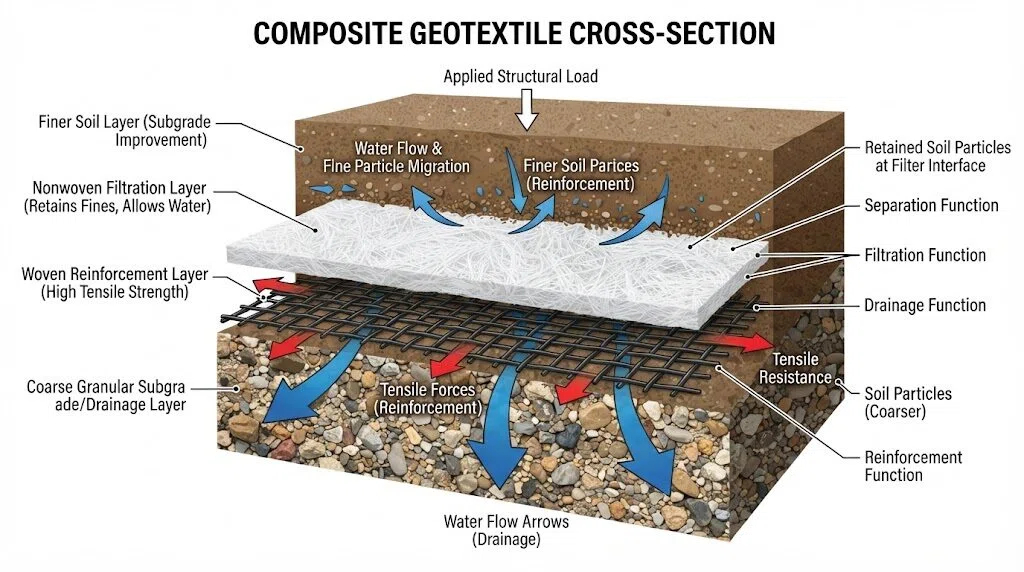
The secret isn’t magic; it’s mechanics. The open, grid-like structure allows soil particles to strike through and partially confine themselves within the apertures (the holes). This creates a powerful “interlocking” effect. When this reinforced composite is placed under load, the geogrid rolls absorb the tensile stresses that the soil alone cannot withstand. This mechanism effectively distributes loads over a wider area, preventing the localized failure that leads to rutting and settlement.
The main types you’ll encounter are
- Uniaxial Geogrid Rolls: Primarily strong in one direction, ideal for steep slope reinforcement and retaining walls.
- Biaxial Geogrid Rolls: Equally strong in both longitudinal and transverse directions, making them the go-to choice for base reinforcement under roads, parking lots, and working platforms.
Avoid These 5 Costly Geogrid Rolls Installation Mistakes
Getting the right product is only half the battle. Improper installation can nullify all the benefits of even the highest-quality geogrid rolls. After reviewing countless project reports and site audits, we see the same errors repeated. Steer clear of these five to protect your investment.
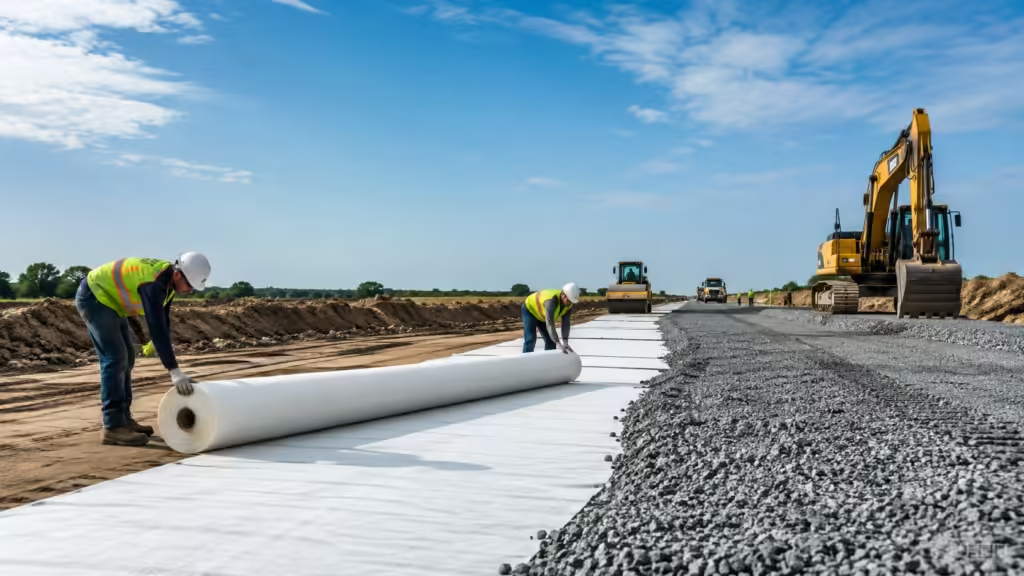
- Preparing an Unstable Subgrade: Never unroll a geogrid onto soft, muddy, or uneven ground. The subgrade must be properly compacted and graded to design specifications. Placing a geogrid on a poor subgrade is like building a house on sand—it will simply sink and fail to function.
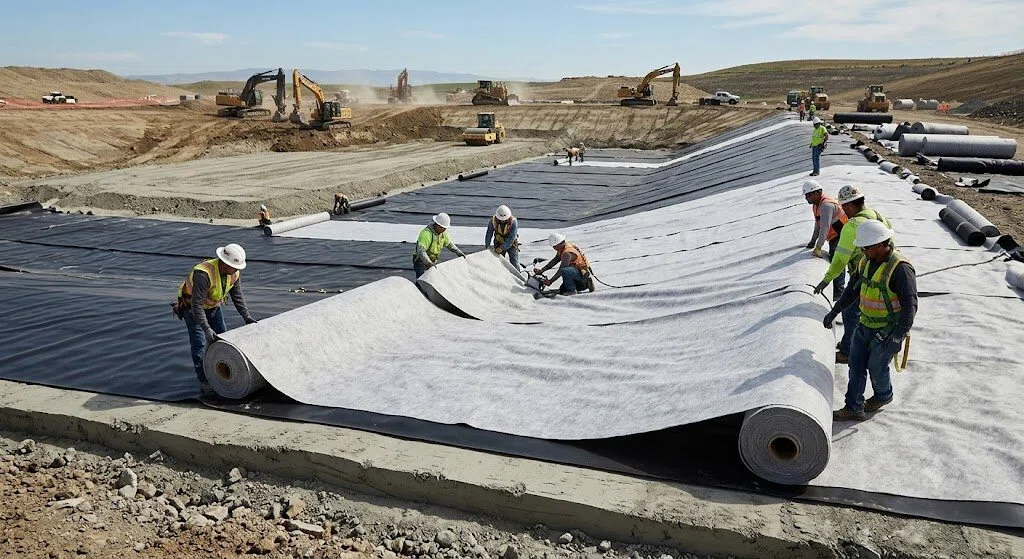
- Ignoring Proper Jointing/Splicing: Simply butting geogrid rolls together is not enough. They must be properly connected, typically with specific pins or by ensuring a sufficient overlap as per the manufacturer’s guidelines. A failure to splice correctly creates a weak point in your reinforcement layer.
- Allowing Installation Damage: It’s surprising how often heavy equipment or careless material placement can damage the geogrid before the first layer of fill is even placed. Ensure the crew is trained to handle the material, and use an initial layer of fill carefully to prevent punctures or tears.
- Selecting the Wrong Strength for the Job: This is a pre-installation error with massive consequences. Using a low-strength biaxial geogrid for a massive retaining wall is a recipe for disaster. Your selection must be based on rigorous engineering analysis of the soil and anticipated loads.
- Compromising on Drainage: Geogrid rolls reinforce; they are not a substitute for proper drainage. Water is the enemy of stability. Always ensure that your design incorporates adequate drainage solutions to prevent water pressure from building up and undermining the reinforced soil mass.
How to Choose the Perfect Geogrid Rolls for Your Project
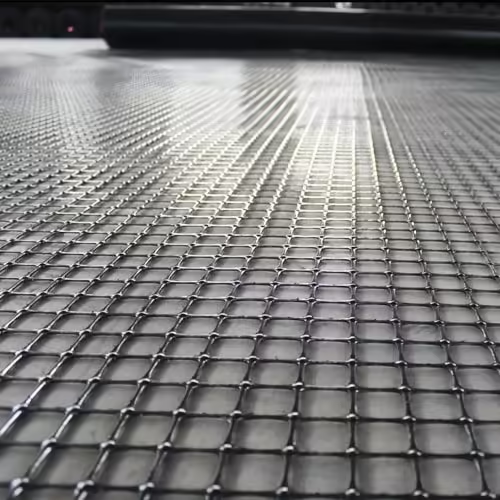
Selecting the right geogrid rolls isn’t about picking the strongest one. It’s about choosing the most appropriate one. Here is a professional framework to guide your decision-making process in 2026.
- Define the Primary Application: This is your starting point.
- Base Reinforcement: For roads, railbeds, and working platforms, you’ll likely need robust biaxial geogrid rolls to handle multi-directional traffic loads.
- Slope & Wall Reinforcement: For retaining walls and steepened slopes, uniaxial geogrid rolls are typically specified to handle the high tensile forces in one direction.
- Understand Your Soil Properties: The soil you’re reinforcing is just as important as the geogrid itself. Coarse-grained, free-draining soils (like gravel and sand) interlock beautifully with geogrids. Finer-grained soils may require different aperture shapes and sizes for optimal performance.
- Analyze the Mechanical Properties: Don’t just look at the ultimate strength. For long-term performance, key properties like creep reduction (resistance to stretching under long-term load) and junction strength (how well the ribs are connected) are critical. Always request and review the manufacturer’s certified test data.
- Consider Durability and Longevity: Will the geogrid rolls be exposed to UV light for extended periods? Are there chemical contaminants in the soil or fill material? These factors will influence the required polymer composition and any protective additives.
The 6 Compelling Benefits of Using Geogrid Rolls
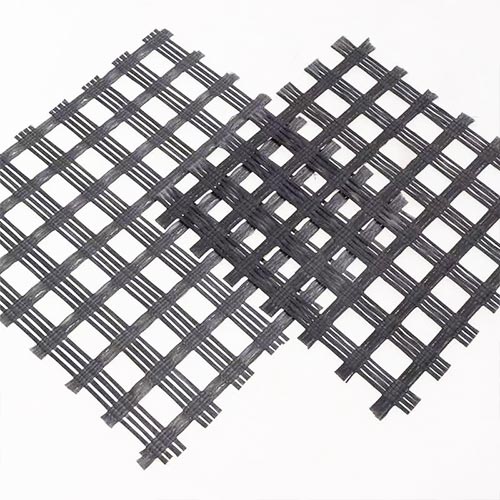
Why go through all this trouble? The return on investment is significant and well-documented. A landmark study by the Transportation Research Board demonstrated that integrating geosynthetics like geogrid rolls into pavement design can extend service life by up to 300% in challenging subgrade conditions.
Here’s what that means for your bottom line:
- Substantial Cost Reduction: By allowing for the use of less, or lower-quality, on-site fill material and reducing aggregate thickness, geogrid rolls can cut material and hauling costs significantly.
- Enhanced Long-Term Performance: They drastically reduce differential settlement and rutting, leading to structures that stand the test of time with minimal maintenance.
- Increased Load-Bearing Capacity: They enable weak subgrades to support heavy, repeated loads, making them indispensable for industrial sites and logistics hubs.
- Accelerated Construction Schedules: Projects can often proceed faster due to reduced excavation and material requirements.
- Superior Sustainability: By optimizing material usage and reducing the carbon footprint associated with quarrying and transporting vast amounts of virgin aggregate, geogrid rolls are a green choice.
- Improved Site Safety: They enhance the stability of slopes and excavations, directly contributing to a safer working environment.
Your Next Step: Partner with a Geosynthetics Expert
As you can see, the effective use of geogrid rolls is a blend of sophisticated material science and practical field knowledge. It’s not just about buying a product; it’s about implementing a system.
At EcoGeo Material, we’ve spent decades in the field, working alongside engineers and contractors to solve the toughest soil stabilization challenges. We don’t just sell geogrid rolls; we provide engineered solutions backed by real-world experience and unwavering technical support.
Ready to build with confidence?
Don’t leave your project’s stability to chance. Contact our engineering support team today for a free, no-obligation project review. We’ll help you specify the right geogrid rolls for your specific soil conditions and load requirements, ensuring your project is founded on a solid, lasting solution.
FAQ
What is the typical lifespan of polymer geogrid rolls?
When properly manufactured from virgin, high-quality polymers and installed correctly in a covered application, modern geogrid rolls have a design life that can exceed 120 years. Their longevity is a key reason they are specified for critical infrastructure.
Can geogrid rolls be used with clay soils?
Yes, but the design approach is different. While coarse soils excel at mechanical interlocking, specific geogrid rolls are engineered with aperture geometry and surface texture to achieve optimal interaction with cohesive soils like clay. Specialist advice is crucial here.
How do I calculate the required overlap between adjacent geogrid rolls?
The required overlap distance is not arbitrary; it is specified by the manufacturer based on the specific product and the project’s subgrade conditions. It typically ranges from 6 to 18 inches (0.15 to 0.45 meters). Always follow the manufacturer’s installation guidelines for your specific site.
What is the difference between “ultimate strength” and “long-term design strength”?
Ultimate strength is the maximum load a geogrid can withstand in a short-term test. Long-term design strength is a more important value—it’s the reduced strength value used for design, which accounts for creep, installation damage, and chemical degradation over a 75-100 year service life.
Are there environmental benefits to using geogrid rolls?
Absolutely. By reducing the need for quarrying and transporting vast quantities of virgin aggregate, geogrid rolls significantly lower the carbon footprint of a project. They also allow for the use of locally available, on-site soils, minimizing waste and preserving natural resources.