
Geomembrane Wastewater Treatment: Complete Selection & Best Practices
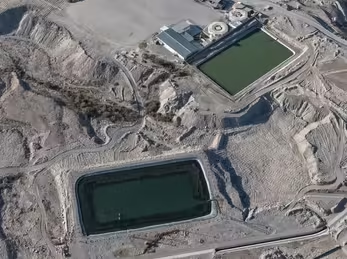
geomembrane wastewater treatment is the backbone of modern pond, lagoon, and containment systems. When properly chosen and installed, a geomembrane wastewater treatment liner protects groundwater, simplifies regulatory compliance, and reduces long-term operating risk for municipal and industrial wastewater projects.
Table of Contents
Why geomembranes matter
A reliable geomembrane wastewater treatment system prevents effluent migration into soils and groundwater. Owners and designers depend on proven materials and documented installation to avoid leaks, penalties, and remediation costs. This guide focuses on practical decisions: material selection, thickness, seam quality, leak detection, installation controls, and lifecycle maintenance.
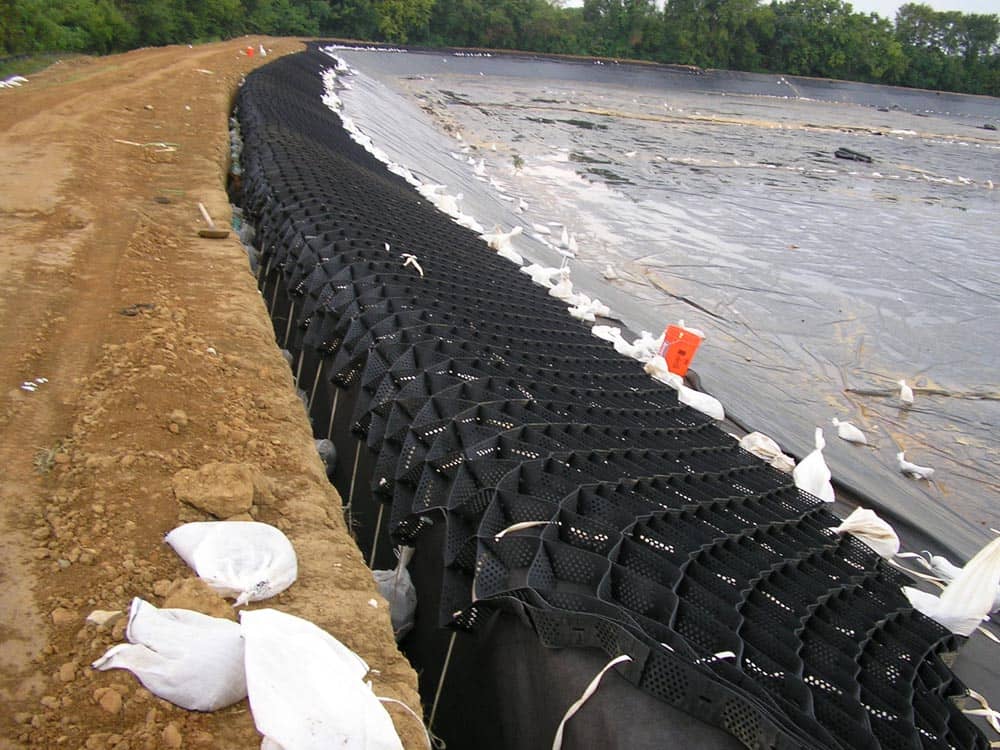
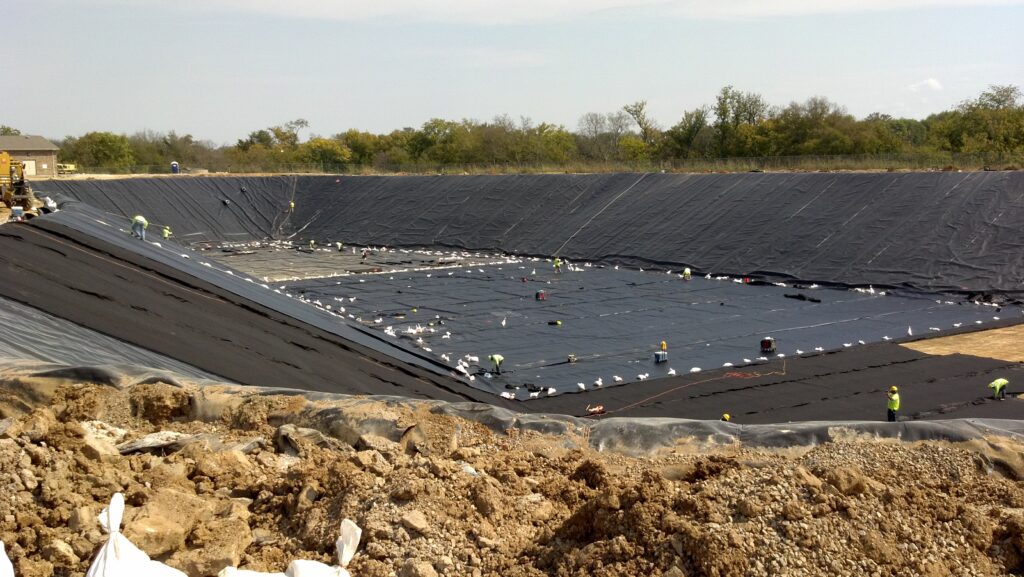
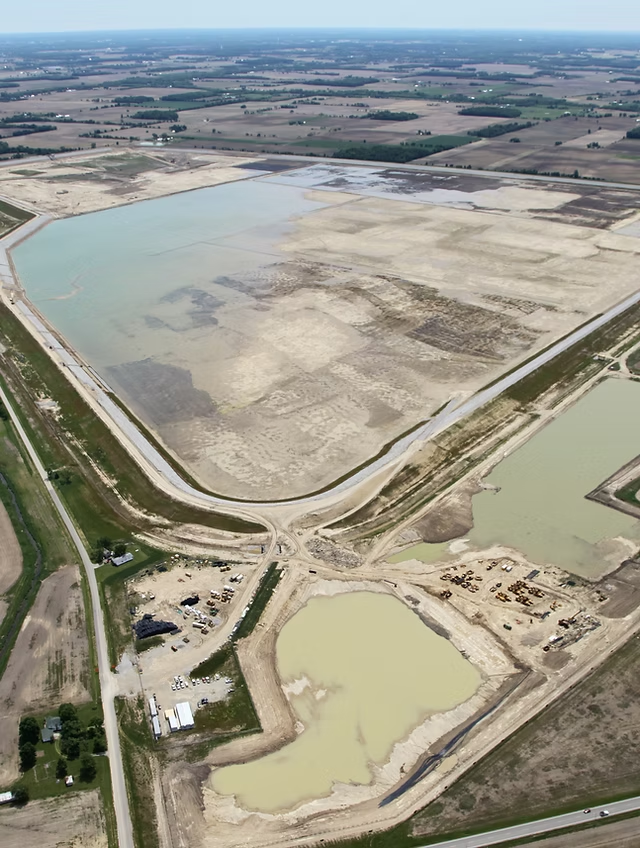
Selecting the right material
Choose a geomembrane wastewater treatment material to match site chemistry, temperature, UV exposure, and mechanical stress. Typical options:
- HDPE: excellent chemical resistance and long-term durability for aggressive industrial effluent.
- LLDPE: more flexible and forgiving on uneven subgrades; useful for prefabricated panels.
- PVC / EPDM: options for lower-temperature or specialized chemical environments.
Use standardized test methods (tensile, puncture, OIT) to verify manufacturer claims and include performance requirements in the project specification for any geomembrane wastewater treatment application.
Thickness and design considerations
Design thickness to resist puncture, handling, and long-term degradation. Common specifications for wastewater lagoons range from 1.0–2.0 mm (40–80 mil). Increase gauge where vehicular traffic, coarse subgrade, or anchoring systems create higher puncture risk. Document thickness testing per ASTM or GRI protocols on every geomembrane wastewater treatment project.
Welding and seam integrity
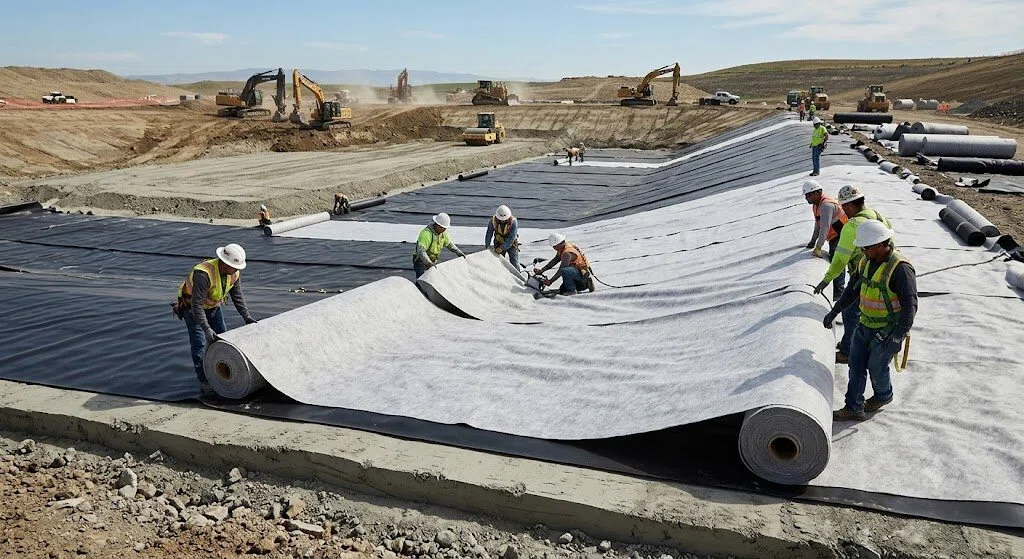
Seam integrity is the single most critical factor for geomembrane wastewater treatment longevity. Field methods include extrusion welding and hot-wedge welding; factory-fabricated panels reduce field seam length but require certified handling and QA. Implement destructive and nondestructive seam tests and maintain weld maps for every lift.
Leak detection methods
Early detection keeps repairs small. Primary approaches:
- Electrical leak location (grid / two-electrode) — high sensitivity for exposed liners.
- Ground Penetrating Radar (GPR) — useful where soils and moisture conditions permit.
- Tracer gas and pressure methods — targeted confirmation in complex assemblies.
Tailor leak detection to project risk and document acceptance criteria for every geomembrane wastewater treatment installation.
Leak detection comparison table
| Method | Sensitivity | Typical use |
|---|---|---|
| Electrical (grid/two-electrode) | High | Final QA on exposed liners |
| GPR | Medium | Large-area surveys where soils are favourable |
| Tracer gas / pressure | High | Confirm suspected defects or complex details |
Installation best practices
A short checklist avoids costly rework:
1.Subgrade preparation — remove sharp objects; compact uniformly.
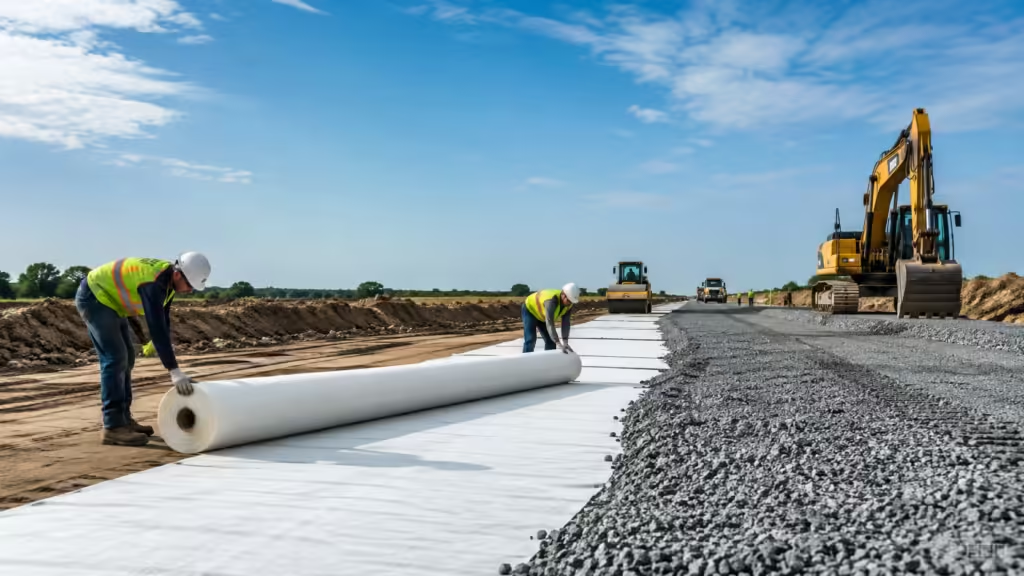
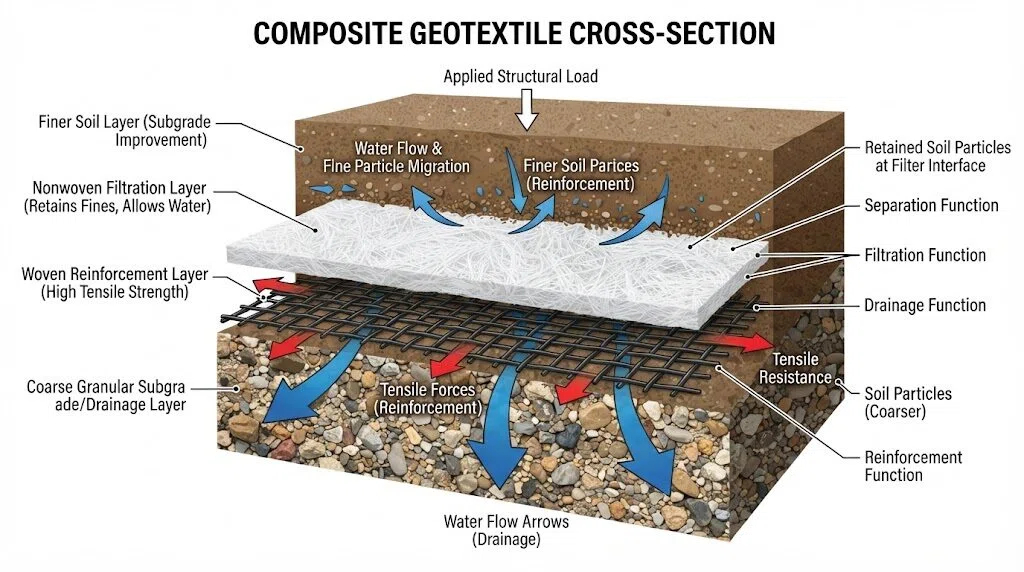
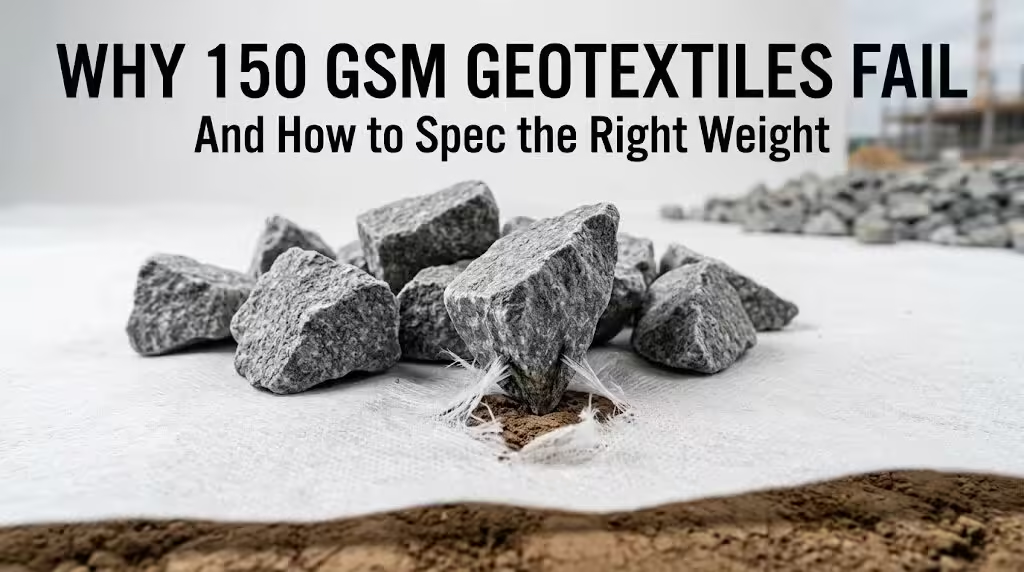
2.Protective layer — apply geotextile under liners where traffic or coarse subgrade is expected.
3.Controlled welding workflow — certified welders, on-site destructive and nondestructive testing.
4.Documentation — weld maps, photos, test logs and as-built drawings.
Provide crews with a downloadable geomembrane installation checklist wastewater pond and require sign-off at each stage.
Maintenance and lifecycle planning
Set inspection cadences based on risk: weekly visual checks, monthly operational inspections, and annual electrical/GPR surveys—or immediately after severe events. Track UV exposure, chemical loading and mechanical incidents in a maintenance log for each geomembrane wastewater treatment site to enable proactive repairs.
Closing
Use these selection, installation, testing, and maintenance steps as the project baseline to protect performance and compliance. Proper specification, verified welding, timely leak detection and routine maintenance form the core of geomembrane wastewater treatment.
FAQ
What geomembrane material suits aggressive chemical ponds?
HDPE is commonly preferred; confirm with chemical compatibility charts and OIT testing for the actual effluent.
How often should leak surveys occur?
High-risk sites: annually or after major events; low-risk sites: every 2–3 years with additional checks as needed.
Can geomembranes be repaired in the field?
Yes—approved patching and welding techniques exist; always document repairs and retest seams to confirm integrity.