
Heavy Duty Ground Protection Mat: Benefits & Applications
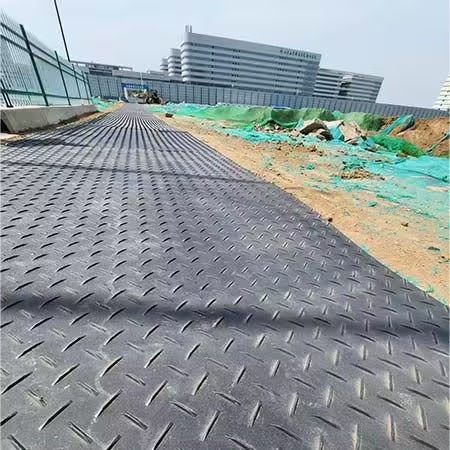
Table of Contents
Introduction
Ground protection mats are essential tools for safeguarding surfaces from damage caused by heavy machinery, foot traffic, or temporary construction activities. These mats create a durable layer that prevents soil compaction, erosion, and grass damage, ensuring that both the environment and your project remain intact. They are widely used in construction, landscaping, events, and temporary access paths to protect the underlying terrain while allowing operations to continue smoothly.
In this article, we will explore the key benefits, types, installation tips, industry applications, and selection factors for ground protection mats, helping you choose the right solution for your needs.
Key Benefits of Ground Protection Mats
Protects Soil and Grass
A primary benefit of ground protection mats is their ability to shield soil and grass from damage. Heavy equipment or repeated foot traffic can quickly compact soil, disrupt drainage, and stress plant life. Ground protection mats distribute weight evenly, preventing deep ruts, cracks, and soil displacement. Over time, this protects the health of grass and underlying soil structures, reducing the need for costly repairs and replanting. Using mats is especially critical for construction or event sites with sensitive landscapes, helping maintain both aesthetic and functional integrity.
Supports Heavy Equipment
Ground protection mats are engineered to handle significant loads, from forklifts and trucks to cranes and excavators. Their robust design distributes weight across a wider area, reducing the risk of vehicles sinking into soft ground or damaging fragile surfaces. For construction sites with temporary access roads or staging areas, mats allow continuous operations without halting machinery or risking delays. High-density plastic mats and composite materials are particularly effective for industrial-grade applications where performance reliability is critical.
Prevents Erosion and Damage
By forming a solid barrier between equipment and the ground, mats minimize erosion caused by rain, wind, and continuous traffic. They also protect surfaces from scratches, gouges, and surface displacement. This helps preserve natural landscapes while maintaining a safe working environment. Over time, erosion control provided by ground protection mats reduces maintenance costs and prolongs the lifespan of pathways, lawns, and other outdoor surfaces.
Cost-Effective Temporary Solution
Investing in reusable ground protection mats reduces long-term costs compared to repairing damaged surfaces. Their durability allows multiple deployments across different projects, making them a highly cost-effective option for contractors, event managers, and landscapers. In addition, mats can save money by reducing downtime caused by impassable or unsafe surfaces, enabling projects to progress smoothly even in wet or unstable conditions.
Types of Ground Protection Mats
Plastic / HDPE Mats
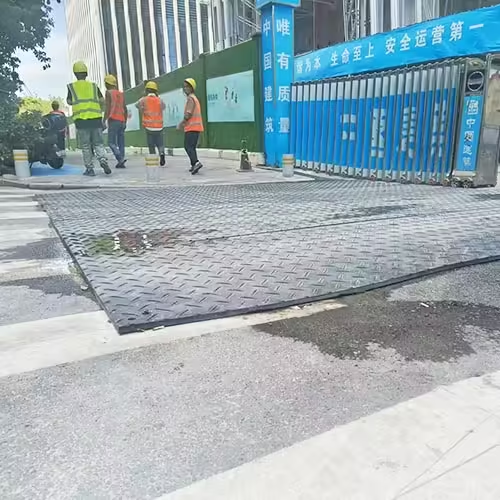
Plastic or HDPE mats are lightweight yet highly durable, making them easy to transport and install. Their chemical and moisture resistance allows them to perform in diverse environments, from muddy construction sites to wet festival grounds. These mats provide excellent load distribution and are ideal for temporary roads or heavy-equipment areas.
Rubber Mats
Rubber mats offer high traction and flexibility. They are ideal in situations where slip resistance is critical, such as wet event surfaces or areas with frequent pedestrian traffic. Rubber mats also absorb vibrations, providing additional protection for delicate ground surfaces and sensitive equipment.
Composite Mats
Composite mats combine the benefits of plastic and rubber materials, offering superior durability, chemical resistance, and flexibility. They are engineered for extreme conditions and can handle heavy machinery while minimizing environmental impact. These mats are particularly suitable for high-stress industrial or construction applications where traditional mats may fail.
Performance Comparison Table
| Feature | HDPE/Plastic Mat | Rubber Mat | Composite Mat |
|---|---|---|---|
| Load Capacity | High | Moderate | Very High |
| Durability | Good | Good | Excellent |
| Slip Resistance | Medium | High | High |
| Weather Resistance | Excellent | Good | Excellent |
| Reusability | High | Moderate | High |
| Cost | Moderate | Moderate | Higher |
This table helps compare mat performance and select the right material for specific site conditions.
Installation Tips for Ground Protection Mats
Surface Preparation
Before laying mats, clear debris, rocks, and vegetation to prevent punctures and ensure a level foundation. Uneven terrain can cause mats to shift under heavy loads, reducing stability and effectiveness.
Layout and Overlap
Proper interlocking or overlapping improves load distribution and prevents gaps where vehicles could sink into the soil. Ensure mats are arranged to cover all traffic areas and consider anchoring options if installation is long-term or in windy conditions.
Maintenance and Removal
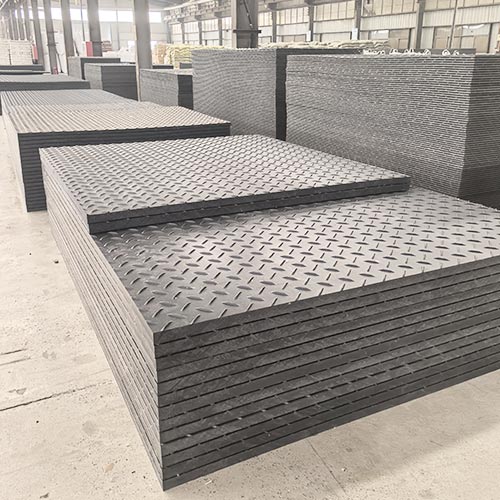
Inspect mats regularly for wear and tear. Clean mats after use to remove mud, debris, or chemicals. Proper storage extends lifespan and ensures mats perform reliably across multiple projects.
Applications in Different Industries
Construction Sites
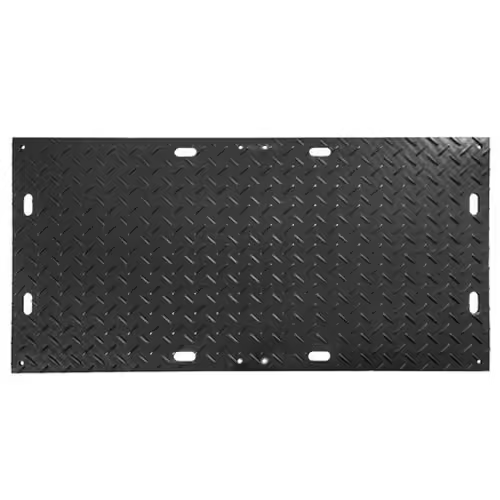
Construction projects require temporary roads and staging areas that can handle heavy loads. Ground protection mats prevent soil compaction, reduce damage to existing surfaces, and provide a safe working environment for staff and equipment.
Landscaping and Garden Projects
Mats protect lawns, turf, and plant beds during material deliveries and equipment operation. They help preserve delicate landscaping while allowing machinery to move freely without leaving permanent tracks.
Outdoor Events and Festivals
Stages, tents, and high foot traffic can quickly damage event grounds. Ground protection mats provide stable surfaces, reduce the risk of injuries, and maintain the site’s appearance after the event ends.
Temporary Roadways and Access Paths
For forestry, municipal, or industrial projects, mats create durable, reusable pathways that allow vehicles to move on soft, muddy, or uneven terrain without sinking or causing long-term damage.
Factors to Consider When Choosing a Ground Protection Mat
When selecting a mat, evaluate the terrain type, load capacity, weather exposure, expected traffic, and reusability. Choosing the right thickness and material ensures optimal performance and longevity. Additionally, consider environmental impact and ease of transport, especially for projects requiring rapid deployment across multiple sites.
Conclusion
Choosing the right ground protection mat protects surfaces, reduces maintenance costs, and ensures operational efficiency for construction, landscaping, or event projects. For expert advice, high-quality mats, and tailored installation solutions, contact EcoGeo Material today. Our team can guide you in selecting, deploying, and maintaining the perfect ground protection solution for long-term performance. Don’t wait—reach out now to secure your project surfaces and ensure safe, durable results.
FAQ
What is a ground protection mat used for?
Ground protection mats protect soil, grass, and surfaces from damage caused by heavy machinery, foot traffic, or temporary installations.
How do ground protection mats prevent erosion?
They distribute weight evenly, form a protective layer, and reduce soil displacement caused by repeated vehicle or foot traffic.
Can ground protection mats support heavy equipment?
Yes, HDPE and composite mats are designed to handle vehicles like trucks, forklifts, and cranes safely.
Are ground protection mats reusable?
Most mats are reusable if they are maintained properly, cleaned after use, and stored in a dry area.
How do I install ground protection mats correctly?
Clear the surface, level it, lay mats evenly with proper overlap, anchor if needed, and inspect regularly for optimal safety.