
Heavy Duty Ground Protection Mats: Key Benefits for Construction
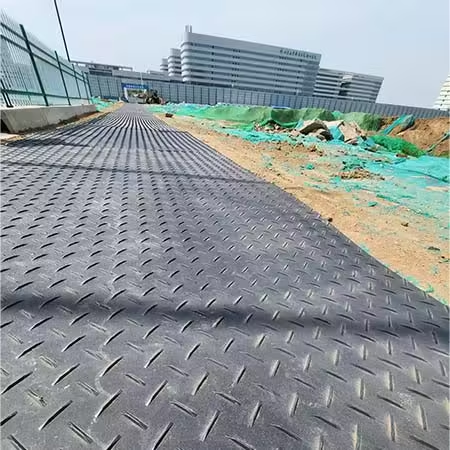
Table of Contents
Introduction
Heavy duty ground protection mats are essential tools for modern construction and infrastructure projects. They provide a stable, durable surface that protects the underlying soil from heavy machinery, reduces ground compaction, and ensures safety for workers and equipment. Proper use of these mats can save time, reduce repair costs, and extend the lifespan of temporary roads or work areas. In this article, we will explore their key benefits, installation tips, material comparisons, and real-world applications to help you make informed decisions for your projects.
Understanding Heavy Duty Ground Protection Mats
What Are Heavy Duty Ground Protection Mats?
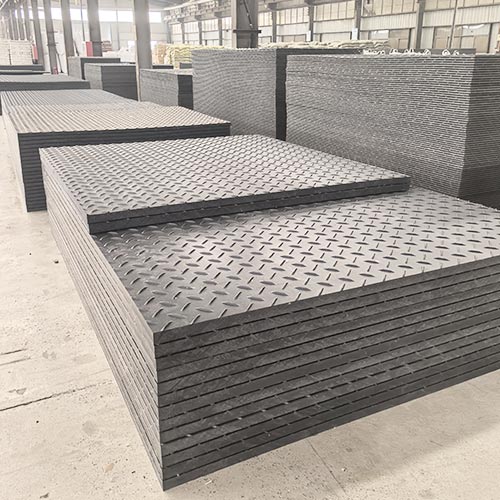
Heavy duty ground protection mats are engineered panels made from durable materials such as high-density polyethylene (HDPE) or polypropylene. Unlike lightweight temporary boards, these mats are designed to support heavy loads and withstand harsh construction environments. Their non-slip surface and high strength allow for safe movement of machinery across soft, uneven, or sensitive terrains.
Key Features and Benefits
- High load-bearing capacity, suitable for cranes, forklifts, and other heavy equipment
- Excellent resistance to wear, UV exposure, and chemical agents
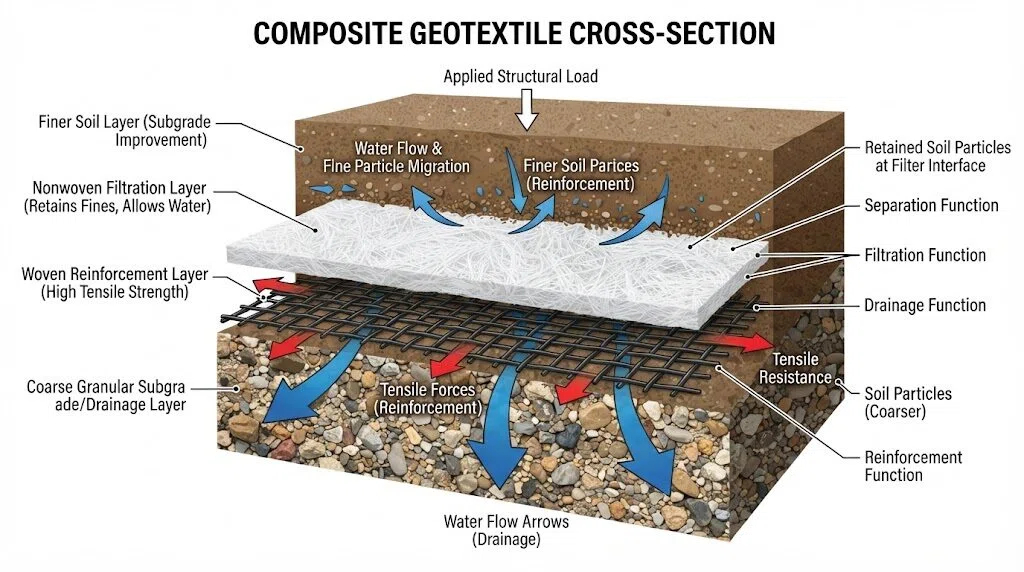
- Reduces soil erosion and ground compaction
- Provides a stable, slip-resistant working surface
- Reusable for multiple projects, offering cost-efficiency over time
Common Applications in Construction
Heavy duty ground protection mats are widely used in:
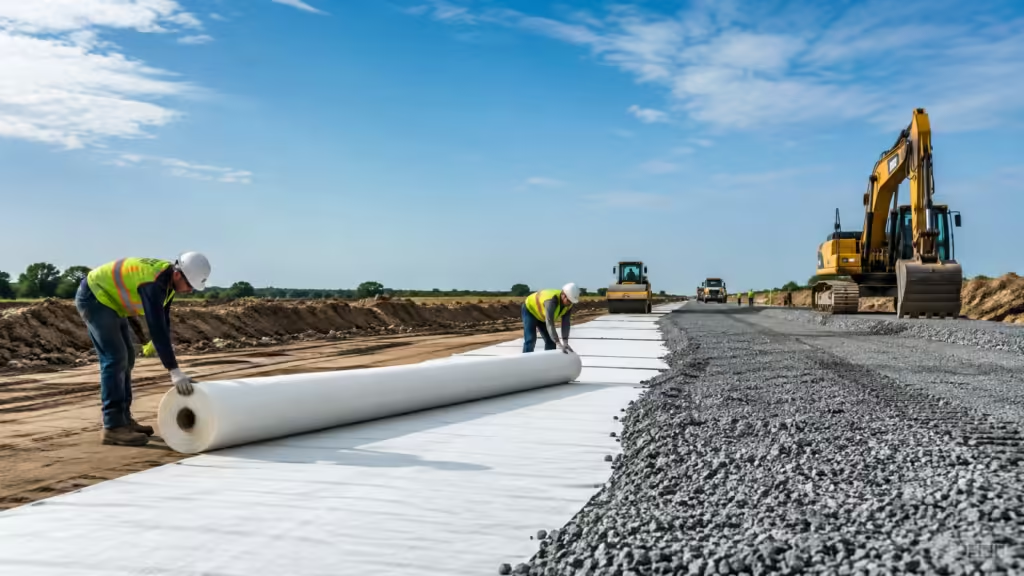
- Temporary roadways for construction sites
- Soft or uneven terrains for heavy machinery
- Landscaping and maintenance projects
- Event grounds and emergency access routes
Material Types and Comparison
HDPE vs Polypropylene Mats
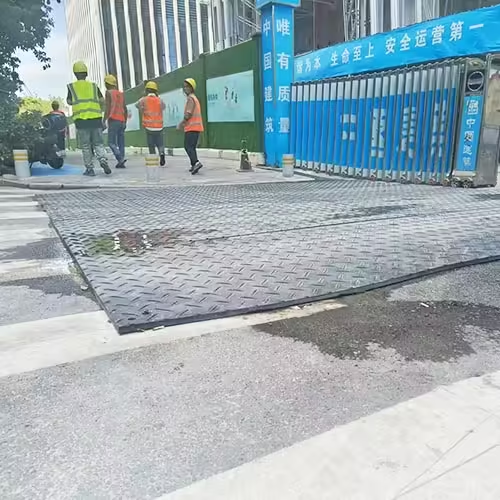
HDPE mats are more rigid and provide higher durability under extreme loads, while polypropylene mats are lighter and more flexible, making them easier to transport and install. Selection depends on project demands, terrain, and expected machinery weight.
Recycled vs Virgin Material Mats
Mats made from recycled materials offer sustainability benefits but may have slightly lower load-bearing capacity. Virgin materials provide consistent quality and longer service life, which is essential for high-stress environments.
Installation Guidelines
Site Preparation
Clear the site of debris, rocks, and sharp objects to prevent damage. Level the surface as much as possible to ensure uniform load distribution.
Positioning and Alignment
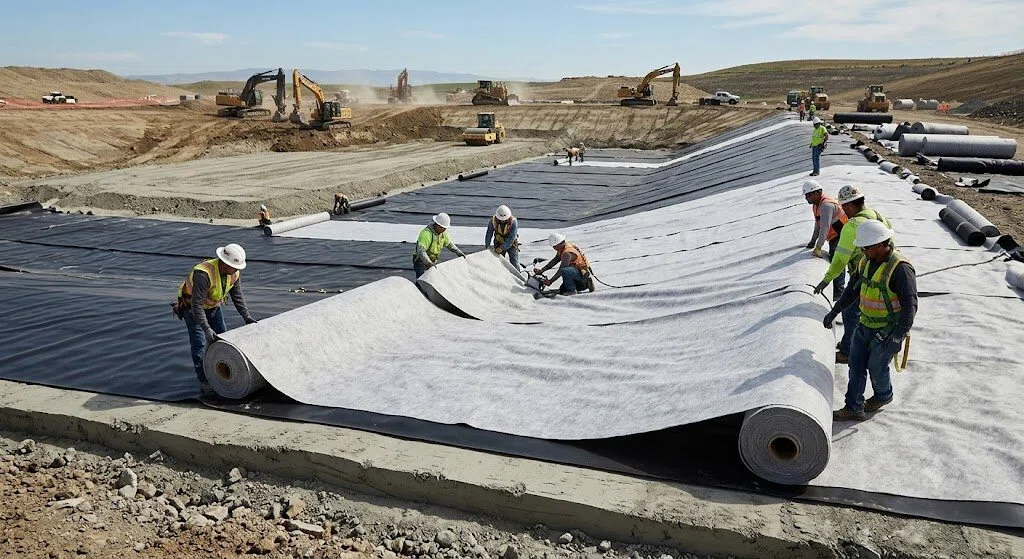
Lay mats perpendicular to the direction of traffic for better stability. Overlap edges slightly and ensure sheets are aligned to avoid gaps that could compromise safety.
Securing and Anchoring
Use stakes, pins, or sandbags to prevent mats from shifting, especially on slopes or windy conditions. Correct anchoring reduces accidents and prolongs mat lifespan.
Durability and Maintenance
Inspection and Cleaning
Regularly inspect mats for cracks, warping, or wear. Remove dirt and debris that could reduce traction or cause uneven surfaces.
Repair and Replacement Tips
Minor damage can often be repaired with adhesive or patch materials. Replace heavily damaged mats promptly to maintain safety and performance.
Environmental Considerations
Heavy duty ground protection mats help protect soil ecosystems by minimizing compaction and runoff. Choosing mats with UV and chemical resistance extends their usable life in outdoor projects.
Comparative Analysis with Other Ground Mats
| Feature | Heavy Duty Ground Protection Mats | Plywood Mats | Lightweight Plastic Mats |
|---|---|---|---|
| Load Capacity | High | Medium | Low |
| Durability | Very High | Moderate | Low |
| Reusability | High | Low | Medium |
| Installation Ease | Moderate | Easy | Very Easy |
| Environmental Resistance | Excellent | Low | Moderate |
This comparison shows why heavy duty ground protection mats are often preferred in demanding construction environments, providing both safety and long-term cost efficiency.
Case Studies and Real-World Applications
- Construction Site Temporary Roads: Using heavy duty mats allowed cranes and trucks to operate safely on soft soil, reducing downtime.
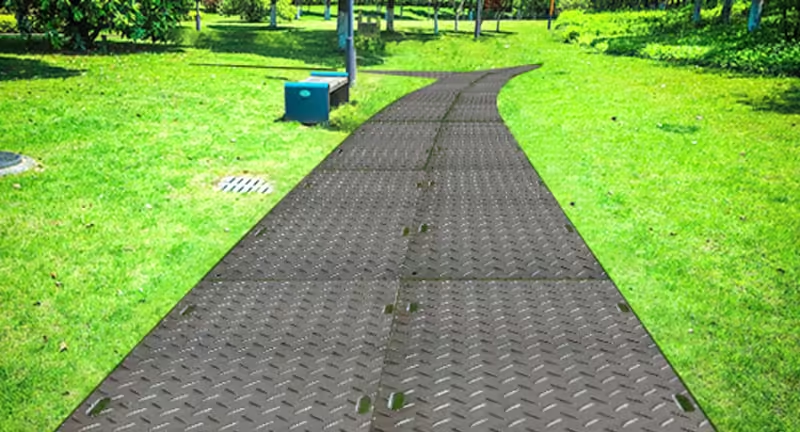
- Landscaping Projects: Mats protected lawns and soft terrains during equipment movement, preventing long-term soil damage.
- Event Grounds: Mats ensured pedestrian and vehicle traffic did not damage sensitive areas, maintaining site aesthetics and safety.
Conclusion
Heavy duty ground protection mats are indispensable for construction, landscaping, and event projects where ground protection, load support, and safety are critical. By selecting the right material, following proper installation methods, and maintaining mats regularly, you can ensure long-term performance and minimize project delays.
Need Help Choosing the Right Heavy Duty Ground Protection Mats? If you’re unsure which mats are best for your site or project, our experts at EcoGeo Material are here to help. Contact us today for a personalized consultation, and ensure your worksite is safe, efficient, and cost-effective. Don’t wait until problems arise—get in touch now to protect your project and achieve optimal performance!
FAQ
How do I choose the right heavy duty ground protection mats for my site?
Assess load requirements, terrain type, and duration of use. HDPE is ideal for high loads, while polypropylene is lighter and easier to handle.
Can heavy duty ground protection mats support cranes and heavy machinery?
Yes, when properly installed and aligned, these mats are engineered to handle substantial loads safely.
Are these mats reusable for multiple projects?
Yes, with proper care, mats can be reused for several construction cycles, providing cost savings over time.
How long do heavy duty ground protection mats typically last?
Depending on material and usage, HDPE mats can last 10+ years, while polypropylene mats may have a slightly shorter lifespan.
What maintenance is required to keep mats in good condition?
Regular cleaning, inspection for damage, and prompt repairs help maintain performance and safety.