
Non Woven Geotextile Fabric Installation: Tips for Long-Term Performance
Welcome to My Blog!
Before we dive into the content, I’d love for you to join me on my social media platforms where I share more insights, engage with the community, and post updates. Here’s how you can connect with me:
Facebook:https://www.facebook.com/profile.php?id=100092064188332
Now, let’s get started on our journey together. I hope you find the content here insightful, engaging, and valuable.
Table of Contents
Introduction
Non woven geotextile fabric plays a vital role in modern civil engineering, environmental projects, and infrastructure construction. From drainage systems to erosion control and landfill liners, its ability to separate, filter, and reinforce soil makes it a preferred choice for long-lasting projects. Proper installation is key to maximizing its benefits, reducing maintenance, and ensuring project durability. This article provides practical installation tips, comparative insights, and real-world applications to help you achieve long-term performance.
Understanding Non Woven Geotextile Fabric
What is Non Woven Geotextile Fabric?
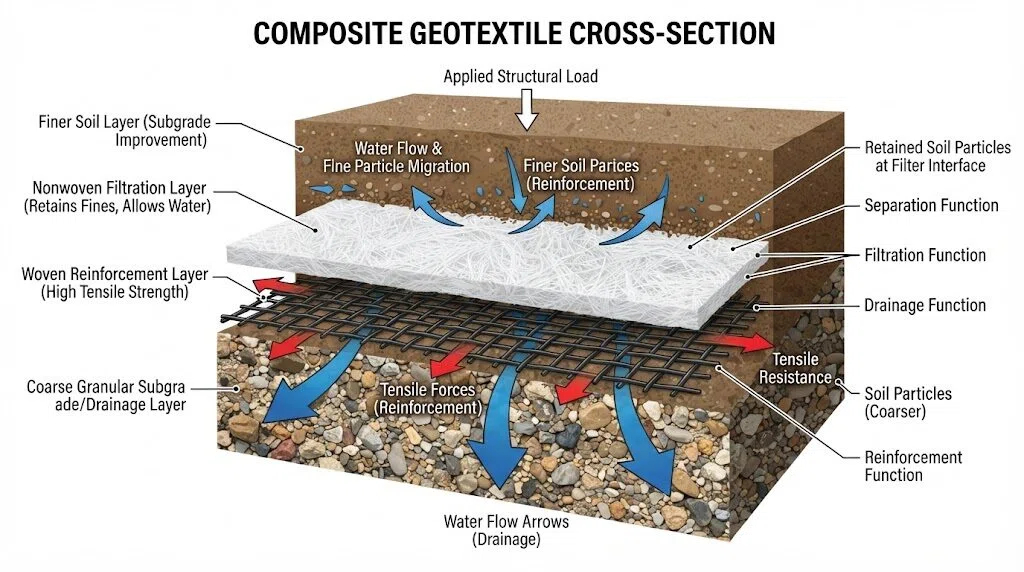
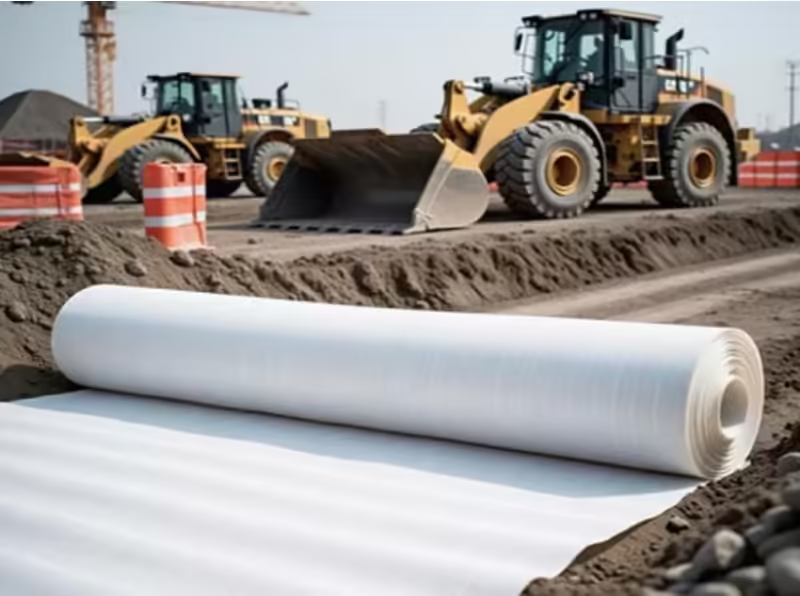
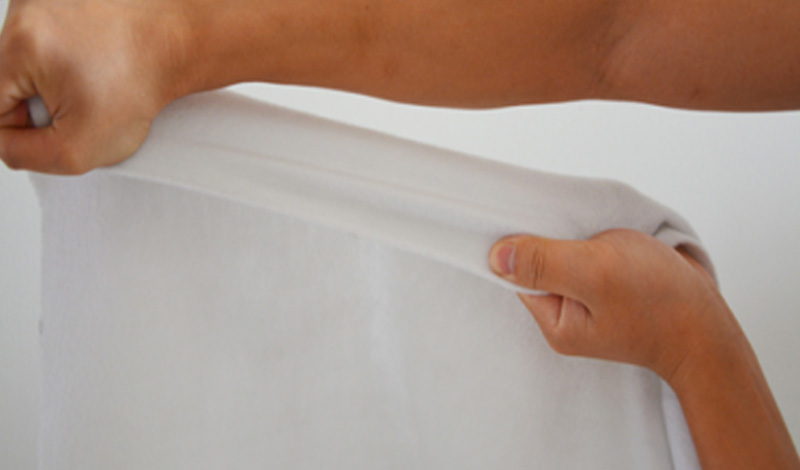
Non woven geotextile fabric is a synthetic material made by bonding fibers together mechanically, thermally, or chemically. Unlike woven geotextiles, it does not have a regular weave pattern, which gives it superior filtration and drainage properties. Its high porosity allows water to pass through while retaining soil particles, making it essential in projects where soil stability and water management are critical.
Key Properties and Advantages
The primary features of non woven geotextile fabric include:
- High permeability for effective drainage
- Excellent tensile and puncture resistance
- Separation of soil layers to prevent mixing
- Filtration capabilities to retain fine particles
- Durability against chemical exposure and environmental stress
Common Applications
Non woven geotextile fabric is widely used in:
- Road and highway construction for subgrade stabilization
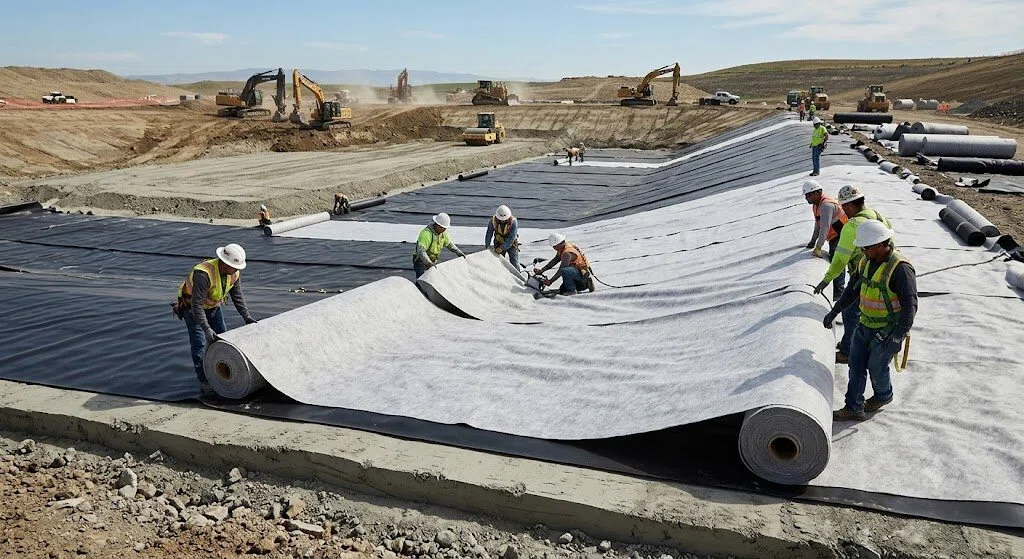
- Landfill bases to prevent soil contamination
- Drainage channels and retention ponds
- Slope protection and erosion control
Preparing for Installation
Site Assessment
Before installation, assess the project site thoroughly. Consider soil type, water flow, and load conditions. Uneven surfaces or debris can damage the fabric and reduce its effectiveness.
Material Selection
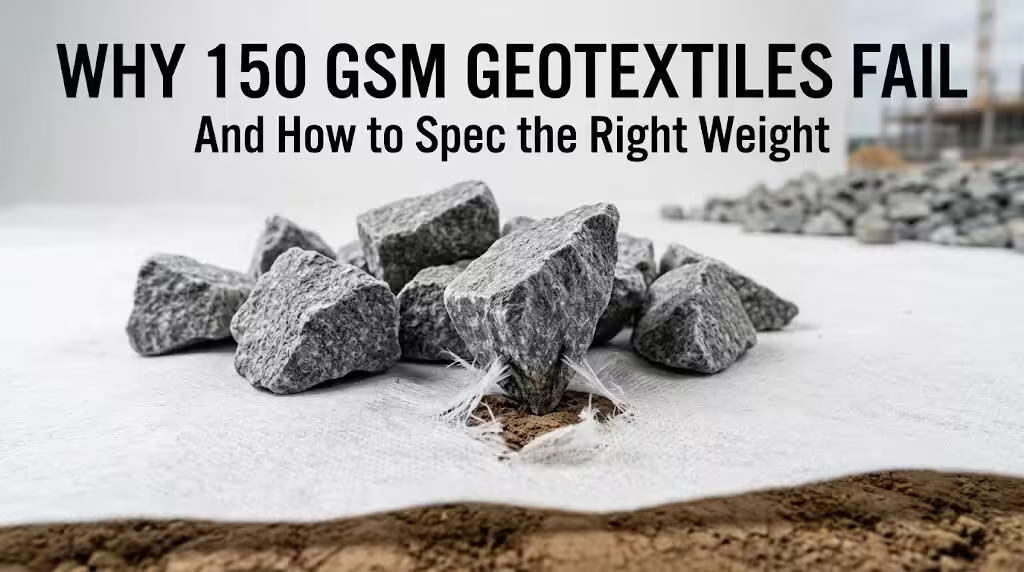
Choosing the right type of non woven geotextile fabric is essential. Consider thickness, weight, and mechanical properties based on the project’s requirements. For high-load applications, heavier and denser fabrics are preferred. Comparing HDPE vs polypropylene can also help determine the most suitable material for the environment.
Installation Techniques
Surface Preparation
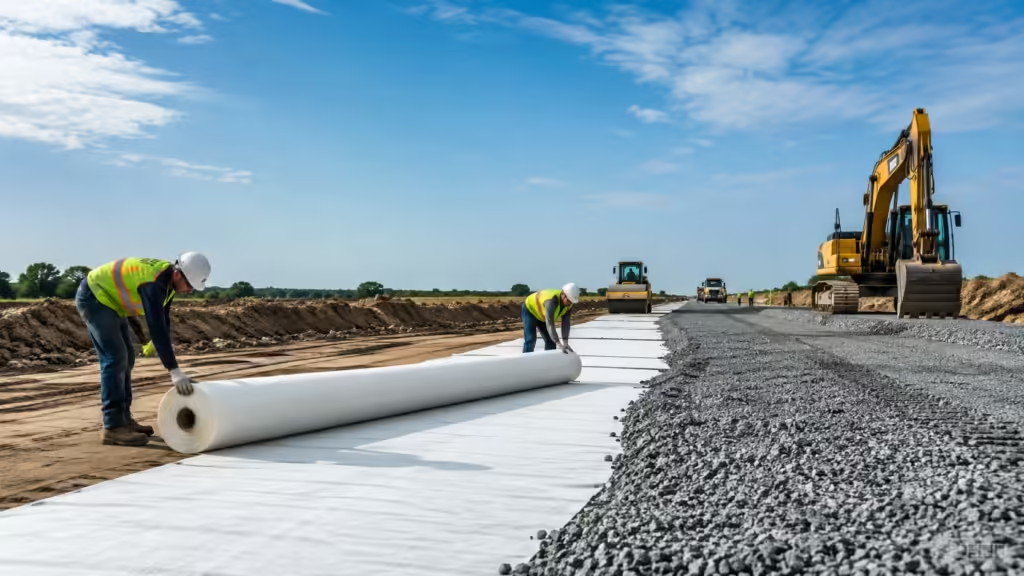
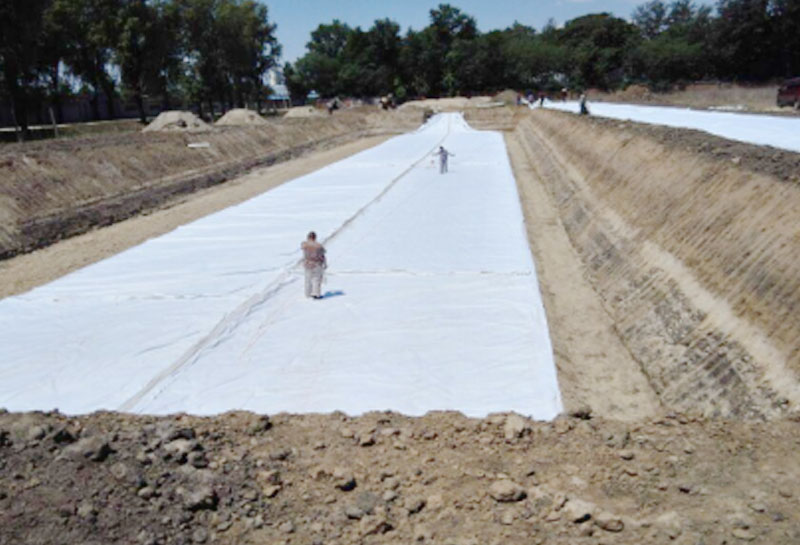
Clear the area of debris, rocks, and sharp objects to prevent punctures. Level the surface for uniform coverage and ensure the fabric lays flat without wrinkles.
Positioning and Alignment
Lay the fabric in the direction of water flow or structural load. Overlap adjacent sheets by 15–30 cm to ensure continuous coverage. Align edges carefully to avoid gaps that can compromise performance.
Securing the Fabric
Use anchors, pins, or sandbags to hold the fabric in place, especially on slopes or areas exposed to wind. This ensures the fabric remains stable during backfilling or other construction activities.
Seaming and Overlaps
Proper seaming techniques, such as stitch bonding or adhesive joining, maintain structural integrity and prevent soil or water leakage. Overlaps must be adequate to maintain filtration and separation functions.
Maintenance and Long-Term Performance
Inspection Schedule
Regular inspections help identify early signs of wear, tear, or displacement. Monitoring the fabric ensures any minor issues are addressed before they affect overall performance.
Cleaning and Repairs
Remove accumulated debris and repair any punctures immediately. Small tears can be patched with additional non woven geotextile fabric or adhesive solutions.
Environmental Considerations
Factors such as UV exposure, chemical contact, and temperature variations affect material longevity. HDPE-based non woven fabrics generally perform better under harsh environmental conditions, while polypropylene variants may require stabilization for long-term outdoor use.
Comparative Analysis: Non Woven vs Woven Geotextiles
| Feature | Non Woven Geotextile Fabric | Woven Geotextile Fabric |
|---|---|---|
| Filtration | Excellent | Moderate |
| Tensile Strength | High | Very High |
| Puncture Resistance | High | Moderate |
| Water Permeability | High | Low |
| Applications | Drainage, erosion, landfill | Road stabilization, reinforcement |
Non woven geotextiles excel in drainage, filtration, and environmental protection, while woven geotextiles are preferred for high-tensile reinforcement applications.
Case Studies and Real-World Applications
- Landfill Base Stabilization: Non woven geotextile fabric prevented soil contamination while providing a stable base for liners, ensuring long-term performance.
- Drainage Systems: Installed under gravel channels, non woven fabrics maintained permeability and reduced sediment accumulation.
- Slope Protection: On embankments, fabrics combined with vegetation mats successfully prevented soil erosion during heavy rainfall events.
Conclusion
Proper installation of non woven geotextile fabric is crucial for achieving long-term durability and reliable performance in construction and environmental projects. By selecting the right material, preparing the site carefully, and following recommended installation practices, you can maximize the benefits of filtration, separation, and soil stabilization.
Contact EcoGeo Material today to get expert guidance on choosing the right non woven geotextile fabric and professional installation support for your next project. Ensure your project stands the test of time with materials and installation practices backed by experience and proven results.
FAQ
How do I prevent non woven geotextile fabric from tearing during installation?
Ensure proper surface preparation, use anchors, and handle sheets carefully to avoid sharp objects.
What overlap width is recommended for long-term performance?
Typically, 15–30 cm overlap is used depending on slope and water flow conditions.
Can non woven geotextile fabric be reused if removed?
Minor reuse is possible, but structural integrity may be compromised if the fabric is punctured or stretched.
How does non woven geotextile fabric perform in extreme weather?
HDPE-based fabrics withstand UV, temperature fluctuations, and chemical exposure better than polypropylene-based fabrics.